
- General Dentistry
A Step-by-Step Guide to Understanding the Dental Implant Process

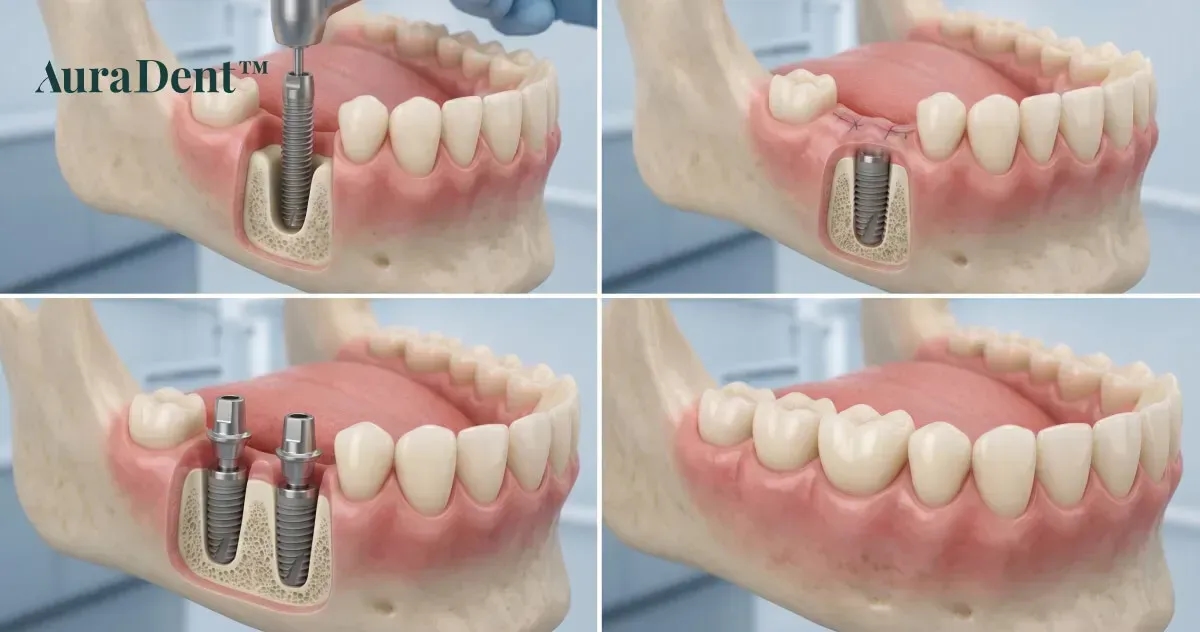
Discover the secrets of dental implants in our step-by-step guide! Learn more about the process and the benefits of dental implants.
Dental implants are artificial tooth roots that are surgically placed into the jawbone to replace missing teeth. They provide a stable and durable foundation for dental crowns, bridges, or dentures, and can improve appearance, function, and quality of life.
If you are considering getting dental implants, you are likely wondering how the process works and what to expect. In this blog post, we will explain the steps involved in getting dental implants, from the initial consultation to the final restoration. We will also discuss the benefits, risks, and complications of dental implants, as well as how to best care for them.
Before Implant Surgery
The first step toward implants is to visit a dentist for a comprehensive evaluation. The dentist will examine your oral health, take X-rays of your jawbone and teeth, and review your medical and dental history. You will discuss your goals, expectations, and preferences for the implant treatment.

Based on this information, the dentist will determine whether you are a suitable candidate for dental implants. If so, the next step is to tailor a treatment plan that suits both you and the dentist. Of course, you will receive all the important information during the consultation, such as the number and type of implants required, materials used, techniques applied, treatment duration, costs, and possible outcomes.
The dentist will also advise you about any additional procedures that may be needed before the implants are placed, such as bone grafting, sinus lifting, tooth extraction, or gum treatment. These procedures are performed to improve the volume and quality of the jawbone and gums, which is essential for the success and stability of the implants.
Placement of Dental Implants
Once your mouth is ready for implant surgery, you will schedule an appointment with your dentist or an oral surgeon to have the implants inserted. The surgery is typically performed under local anesthesia, or sedation upon request, to minimize pain and discomfort.
The dentist or oral surgeon makes an incision in your gum and then drills holes in the jawbone so that the implant screw can be inserted. Finally, they close the incision with sutures. The surgery can take one to two hours depending on the number of implants.
After Implant Surgery
After implant surgery, you will need time to heal and recover. You may experience some swelling, bruising, bleeding, pain, or discomfort in the mouth for a few days to weeks. Your dentist will prescribe painkillers and antibiotics as needed to help you manage these symptoms and prevent infection.
The Healing Process and Osseointegration
During this healing period, a process called osseointegration takes place. This is when the titanium screw fuses with your jawbone and becomes integrated into your natural bone structure. This process can take three to six months depending on your individual healing rate and bone density. During this time, it is important that you maintain good oral hygiene and attend regular check-ups with your dentist. Dental implants can last for many years or even a lifetime if properly cared for.
You must follow some postoperative instructions to ensure proper healing and avoid complications. These include:
- Eating soft foods and avoiding hard and sticky foods that could damage the implants or sutures
- Rinsing your mouth with salt water or an antibacterial mouthwash as directed by your dentist
- Brushing your teeth gently with a soft-bristled brush and avoiding the surgical area for the first few days
- Avoiding smoking, drinking alcohol, taking drugs, and using straws, as these can interfere with blood clotting and the healing process
- Applying ice cubes or cold compresses to reduce swelling and inflammation
- Keeping your head elevated when sleeping or resting to reduce bleeding
- Visiting your dentist regularly for check-ups and adjustments
Temporary Dental Crown
While you wait for osseointegration to complete, your dentist may provide you with a temporary dental prosthesis to wear over the implants. These prostheses are removable and are worn over the implant. They help restore some function and aesthetics to your smile until you receive your permanent crowns.
Permanent Dental Crown
Once osseointegration is complete, the dentist will take impressions or scans of your mouth to create custom-made dental crowns that match the shape, size, color, and position of your natural teeth. The crowns are typically made of zirconia, which mimics the appearance and feel of real teeth.

Replacing the Temporary with the Permanent Dental Crown
When your permanent crowns are ready, you will return to your dentist for the final step—attaching the crown and restoring your beautiful smile. The new dental crowns are also placed using cement or mini-screws. Once the permanent teeth are in place, the fit, function, and appearance are checked, and adjustments are made if necessary. Before you leave, the dentist will instruct you on how to best care for your new teeth and what to expect during the following days or weeks.
If you want to replace your missing teeth with dental implants, book a consultation with AuraDent!
Risks and Complications of Dental Implants
Dental implants are generally safe and effective, but as with any surgical procedure, there are certain risks and complications. These include:
- Infection around the implant
- Bleeding or bruising of the gums or jawbone
- Nerve damage that may cause numbness, tingling, or pain in the mouth, lips, chin, or face
- Sinus problems that may arise as a result of implants in the upper jaw
- Damage to adjacent teeth, blood vessels, or nerves
- Failure of osseointegration, which may cause implant rejection
- Allergy to the implant material – the titanium screw
- Fracture of the implant screw or dental crown
Steps to Minimize Risks and Complications
To minimize risks and complications, you should:
- Choose a qualified and experienced dentist who specializes in implantology
- Follow your dentist's instructions before and after implant surgery
- Maintain good oral hygiene and attend regular dental check-ups
- Avoid smoking, drinking alcohol, taking drugs, or using straws, as these affect the healing process
- Seek immediate medical attention if you notice any signs of infection, inflammation, pain, or if the implant feels loose
Conclusion
Dental implants are an excellent option for replacing missing teeth and restoring your smile. They offer many benefits, such as improved appearance, function, comfort, and oral health. However, they also involve a complex and lengthy process that requires careful planning, preparation, surgery, healing, and maintenance.
If you are interested in getting dental implants, you should consult a dentist who specializes in implantology. AuraDent offers a wide range of dental care solutions in Gothenburg, Sweden. We will evaluate your oral health, determine your suitability for dental implants, tailor a personalized treatment plan, provide all necessary information, and answer all your questions.