
- General Dentistry
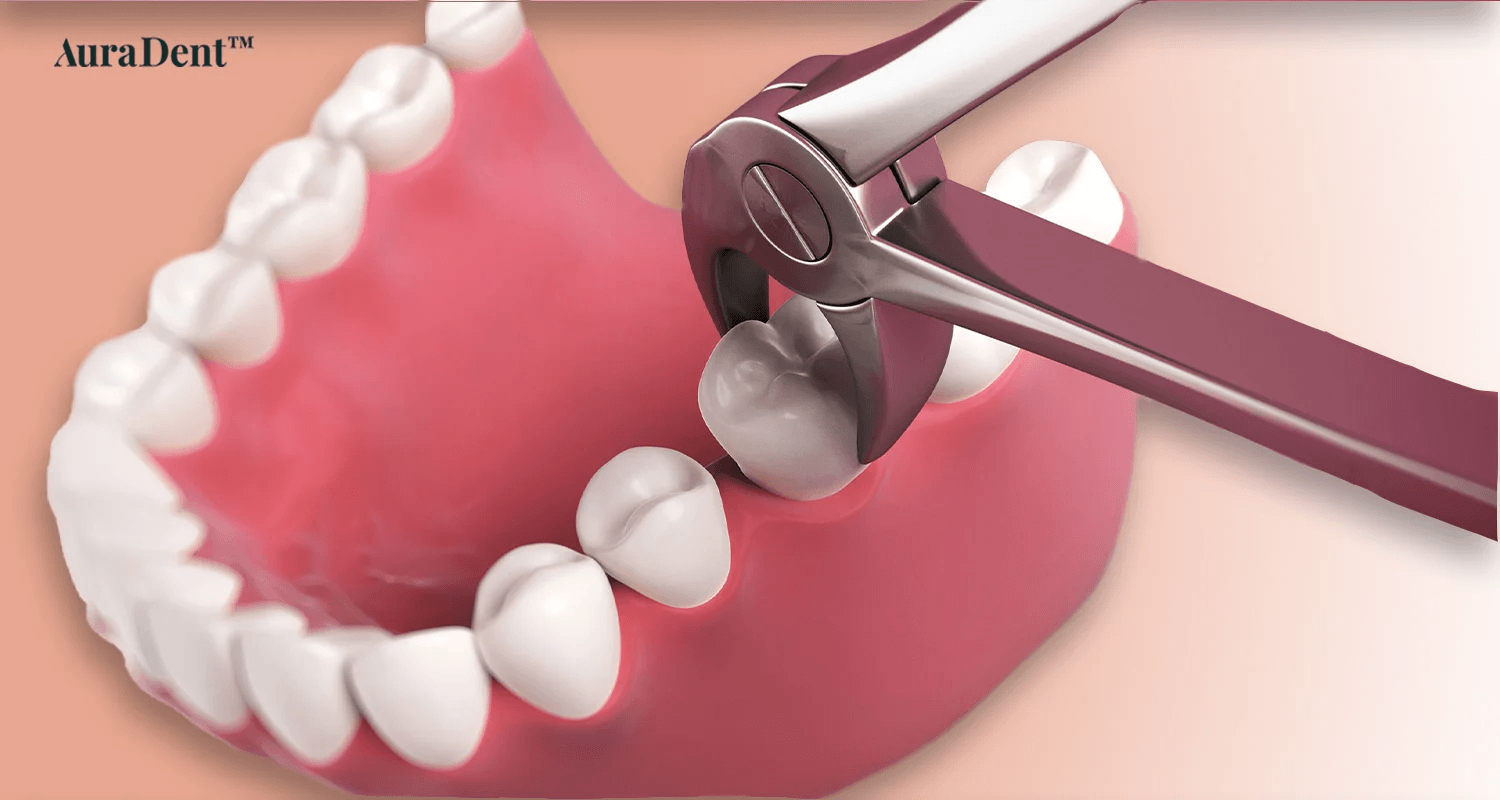
After a Tooth Extraction: A Complete Guide to Fast Healing and Proper Care (Day by Day)


The First 24 Hours: The Most Important Day
The first 24 hours are crucial for the wound to heal properly. Here is a practical checklist.
Bleeding and Blood Clot: Protect the Wound
After tooth extraction, a gauze pad is placed in the wound. Bite down firmly for at least 30 minutes. How long does bleeding last? Light bleeding for a few hours is normal, but if the bleeding does not subside or increases, you should contact your dentist. A stable blood clot is the foundation for healing and protects against dry socket.
Swelling and Pain: How to Manage Discomfort
Swelling is most common during the first two days. Apply an ice pack to your cheek for 10–15 minutes at a time. Rest with your head elevated. Pain can be relieved with over-the-counter medications such as ibuprofen or paracetamol. Avoid aspirin as it can interfere with blood coagulation.
Food and Drink: Only Soft and Cold
During the first day, it is best to eat yogurt, soup, mashed vegetables, or smoothies. Drink plenty of water but avoid straws. Hot, spicy, or hard foods can irritate the wound.
Activities to Absolutely Avoid
Avoid smoking, alcohol, exercise, spitting, or vigorous rinsing. All of these can disturb the blood clot and delay healing.
Do you need support with your oral health after tooth extraction or other treatment? Book an appointment at AuraDent™ and receive professional help.
Day 2 and Beyond: Return to Routines and Maintain Oral Hygiene
Once the first day is over, you can gradually return to your daily routine, but with continued caution.
Brushing Teeth After Tooth Extraction: When and How?
From day 2, you can brush the teeth in other parts of your mouth. Wait 2–3 days before brushing near the wound area. Use a soft toothbrush and be gentle.
Rinsing Your Mouth with Salt Water: Important for Cleanliness
After meals, you should rinse your mouth with lukewarm salt solution (½ teaspoon of salt in a glass of water). This helps keep the area clean and reduces the risk of infection.
Food You Can Begin to Reintroduce
From days 2–3, you can introduce more solid foods such as pasta, rice, fish, or scrambled eggs. Hard, sticky, or chewy foods should wait until the wound has healed further.
Managing Sutures
Sutures usually dissolve on their own within 1–2 weeks. If they do not or if they cause discomfort, the dentist can remove them during a follow-up visit.
For a safe and smooth recovery, it is always good to receive professional guidance. Book an appointment at AuraDent™ and take care of your oral health in the best possible way.
Common Concerns During Healing (This Is Normal)
It is easy to become worried during the healing process. Here are some common questions and answers.
What is the white stuff in the hole? No danger, it's healing
A white or yellow layer in the socket is granulation tissue. It is the body's way of repairing the wound and is completely normal.
How do I remove food debris from the hole?
Food debris can get trapped in the wound. Never use fingers or objects. Instead, gently rinse with salt water until it comes loose.
Is a bad taste in the mouth normal?
A mild bad taste is often harmless. However, if it is combined with severe pain, fever, or a foul odor, it may indicate an infection.
Complications to Watch For
Dry socket (alveolitis): the most common complication
Dry socket occurs when the blood clot does not form or dissolves too early. Bone and nerves become exposed, leading to severe pain 2–5 days after the procedure. Common symptoms include throbbing pain, bad breath, and an unpleasant taste. Contact your dentist immediately if you suspect this.
Jawbone infection (osteomyelitis): rare but serious
In rare cases, the infection can spread to the jawbone. Symptoms include fever, swelling, pus formation, and tooth loosening near the extraction site. This condition requires antibiotics and sometimes surgery to remove infected tissue.

Additional Tips for Smooth Healing
In addition to the basic advice for the first few days, there are also some simple lifestyle habits that can speed up healing. These tips help strengthen the body's own healing process and reduce the risk of unnecessary discomfort.
- Drink plenty of water to keep your body hydrated
- Eat a balanced diet rich in vitamins and minerals
- Avoid caffeine, alcohol, sugar, and acidic drinks
- Sleep with your head elevated to reduce swelling
- Avoid stress and intense physical activity
Summary
After tooth extraction, it is crucial to follow proper aftercare to avoid complications. The first 24 hours are the most critical, and thereafter you can gradually return to your routines. Certain symptoms, such as white material in the socket or a mild bad taste, are completely normal parts of healing, while persistent pain, swelling, fever, or pus formation always require professional care. By paying attention to your body's signals and following the advice in this guide, you can speed up healing and reduce the risk of problems.
Are you unsure or experiencing severe symptoms after tooth extraction? Book an emergency appointment now at AuraDent™. We are here to provide quick help, safety, and a secure recovery for your smile.
FAQs