
- Dental Hygiene
The Best Toothbrush for Braces: Your Complete Guide to Oral Hygiene with Orthodontics

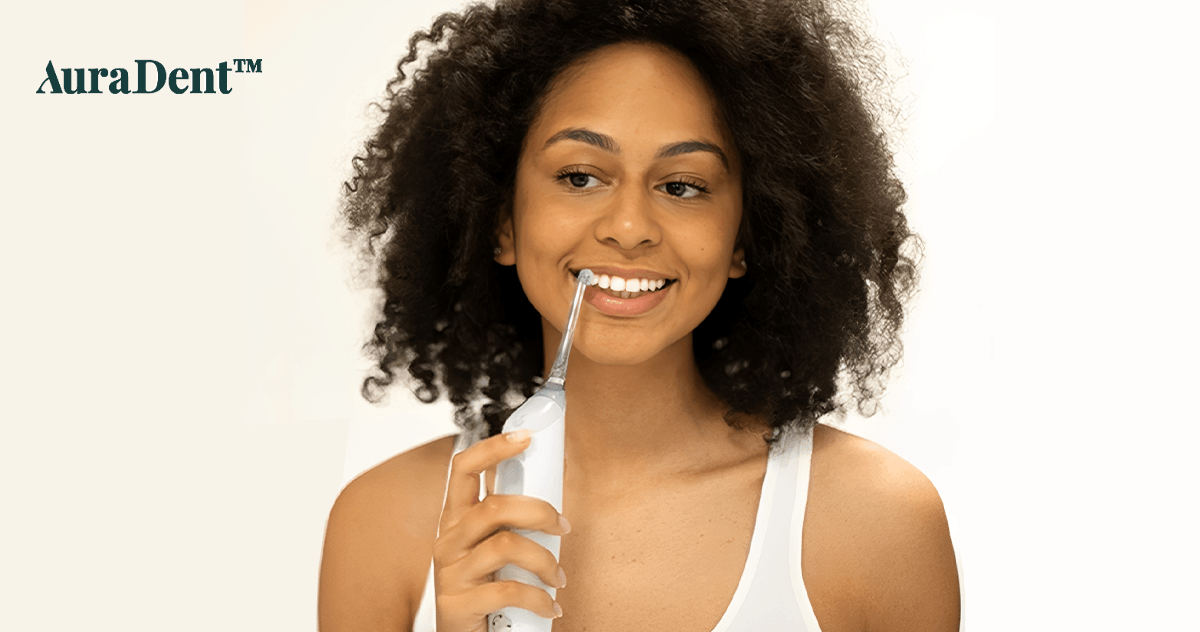
Orthodontic treatment is a positive step toward a healthier and more confident smile, but it also places higher demands on daily oral hygiene. With traditional braces, brackets, wires, and bands create areas where food debris and plaque can easily accumulate, making teeth harder to clean than usual. Without proper care, this buildup may lead to cavities, gum inflammation, and visible marks on the teeth once treatment is completed. For this reason, choosing the right toothbrushes for braces plays a critical role in protecting oral health throughout orthodontic care.
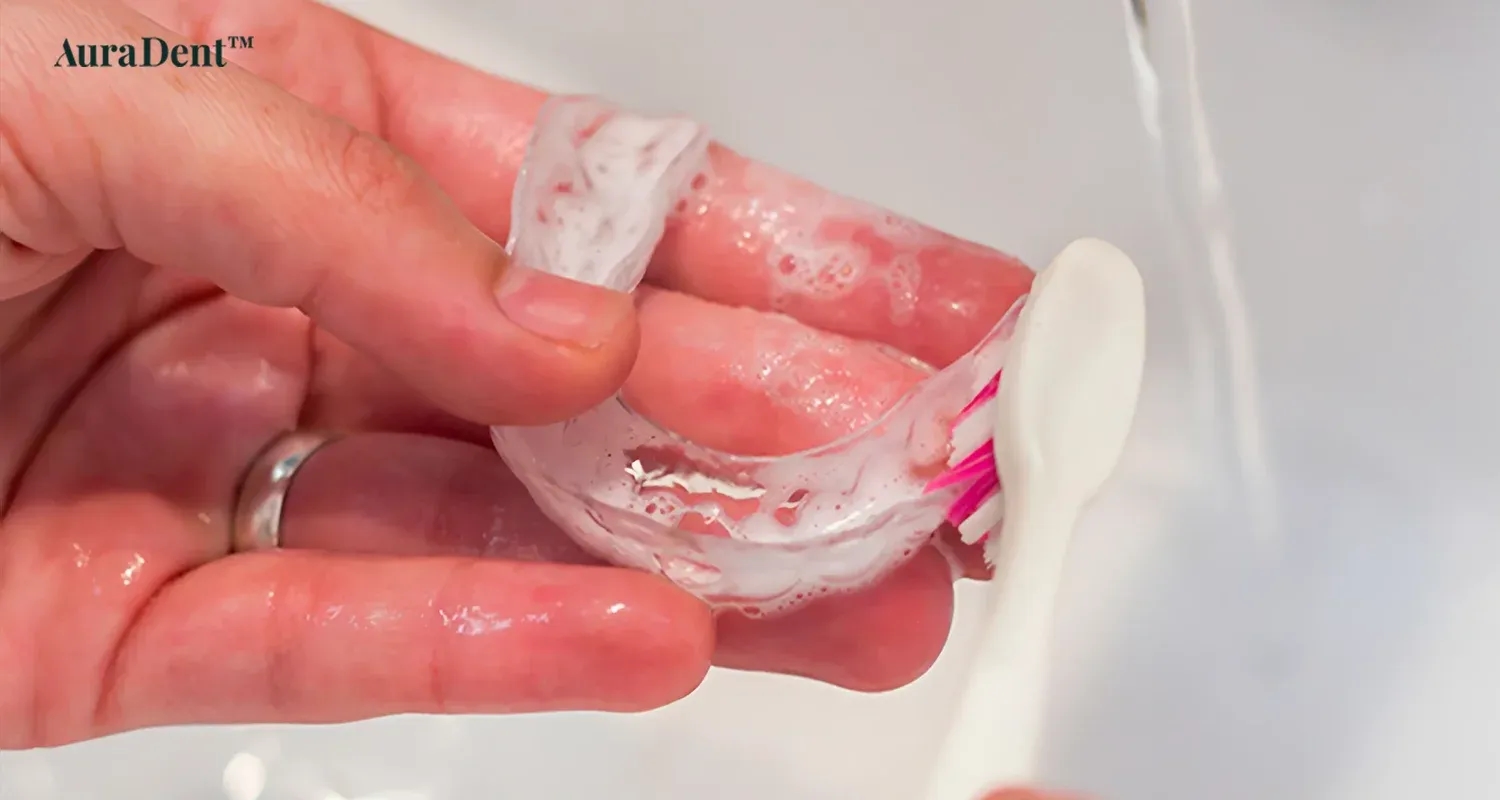
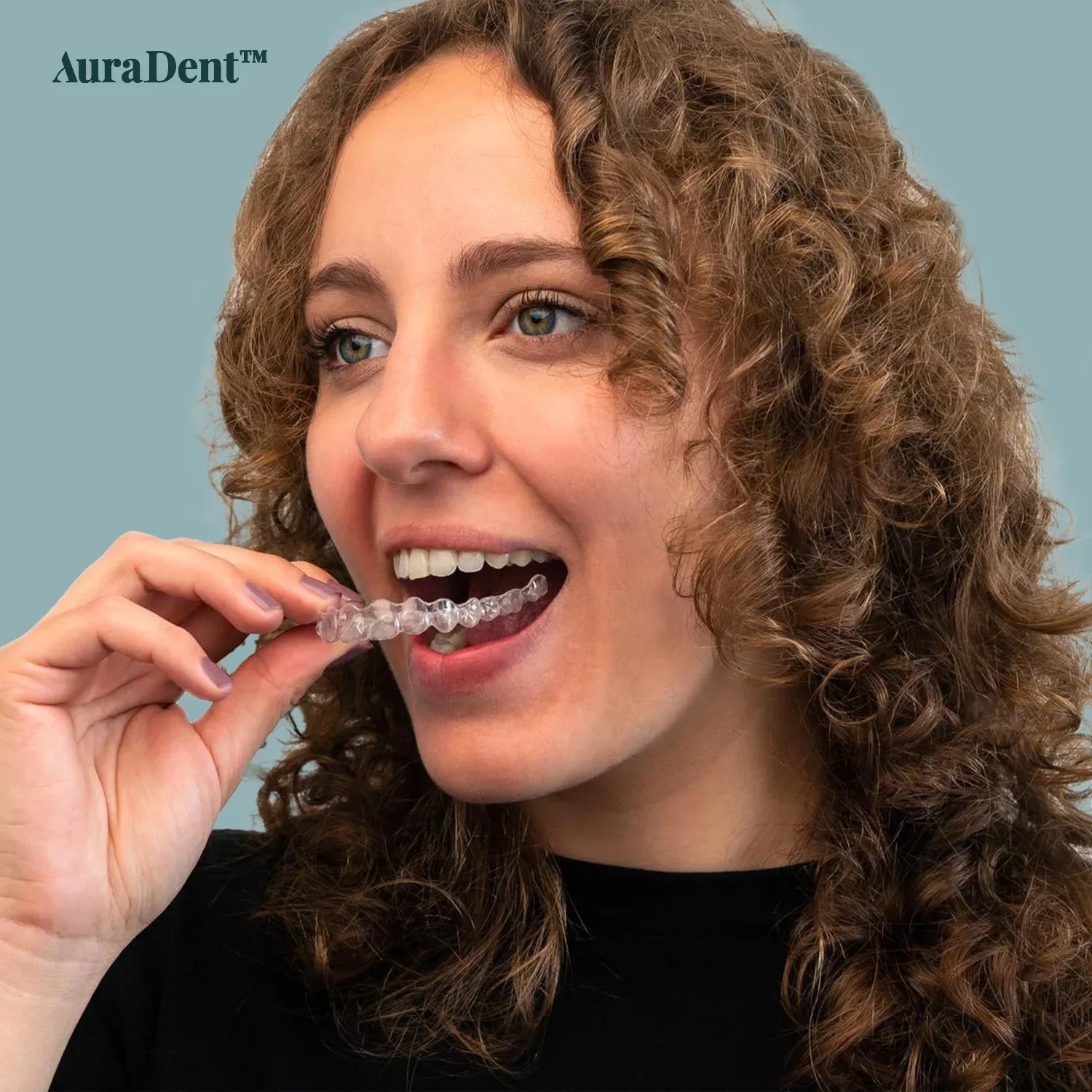
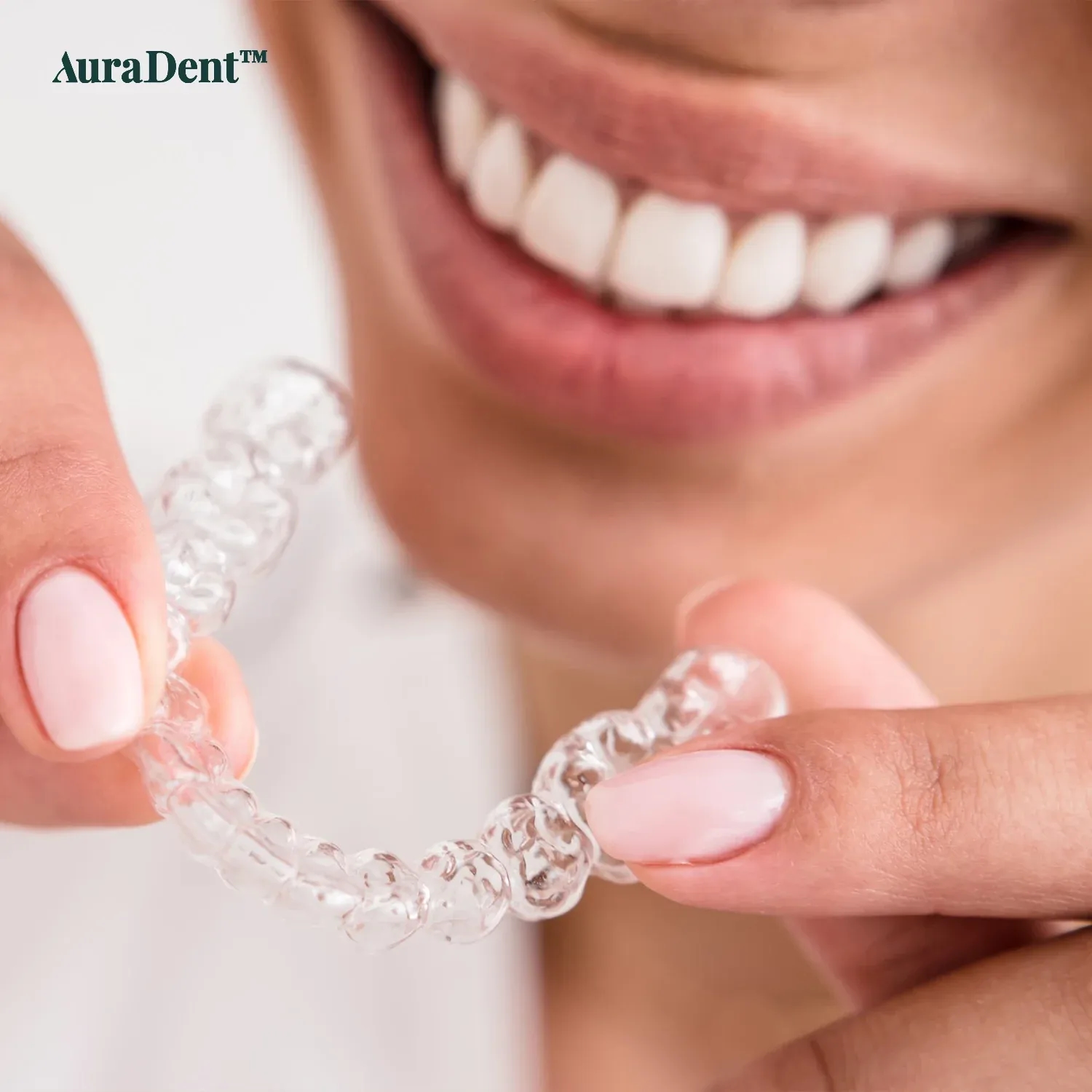
Even patients using invisible braces, such as Invisalign, need to pay close attention to daily cleaning routines. While aligners are removable and easier to clean around compared to fixed appliances, plaque can still build up quickly if brushing is inconsistent or ineffective. Standard toothbrushes are often not sufficient during orthodontic treatment. Toothbrushes designed for braces and aligners are made to clean more effectively around orthodontic components while remaining gentle on the gums and enamel. Using the right tools, combined with correct brushing technique, helps reduce the risk of complications and supports smooth treatment progress regardless of whether traditional braces or invisible braces are used.
Key takeaways in brief
- Braces increase the risk of plaque buildup and gum irritation if oral hygiene is not adapted
- A specialized orthodontic toothbrush is essential for effective cleaning around brackets and wires
- Electric toothbrushes with orthodontic heads often provide superior plaque removal
- Interdental brushes and flossing tools are critical complements to brushing
- Proper technique and consistency are just as important as the toothbrush itself
Key features of an ideal toothbrush for braces
Choosing the best toothbrush for braces starts with understanding the features that allow effective cleaning without harming orthodontic appliances or sensitive gum tissue.
Soft yet resilient bristles
Soft bristles are essential for anyone with braces. They protect the gums from irritation and reduce the risk of damaging brackets or bending wires. At the same time, the bristles must be resilient enough to remove plaque effectively without flattening too quickly. High quality nylon bristles are commonly used for this reason.
V shaped or orthodontic cut bristle design
One of the most important characteristics of an orthodontic toothbrush is its V shaped or U shaped bristle pattern. This design creates a recessed channel in the center of the brush head. The shorter inner bristles clean directly over brackets and wires, while the longer outer bristles clean the tooth surface above and below the brackets. This design is what defines an ortho toothbrush for braces and significantly improves cleaning efficiency.
Small brush head
A compact brush head makes it easier to reach difficult areas, especially around individual brackets and the back teeth. Better access allows for more precise brushing and reduces the likelihood of missed plaque buildup.
Ergonomic handle
An ergonomic, non-slip handle improves control during brushing. This is especially important when navigating around complex orthodontic components where precision matters more than force.
Access to interdental areas
Even the best toothbrush for braces cannot clean every surface on its own. However, it should allow easy access to areas between teeth and under the archwire when combined with supplementary tools. Effective brushing works as part of a complete hygiene routine rather than as a standalone solution.
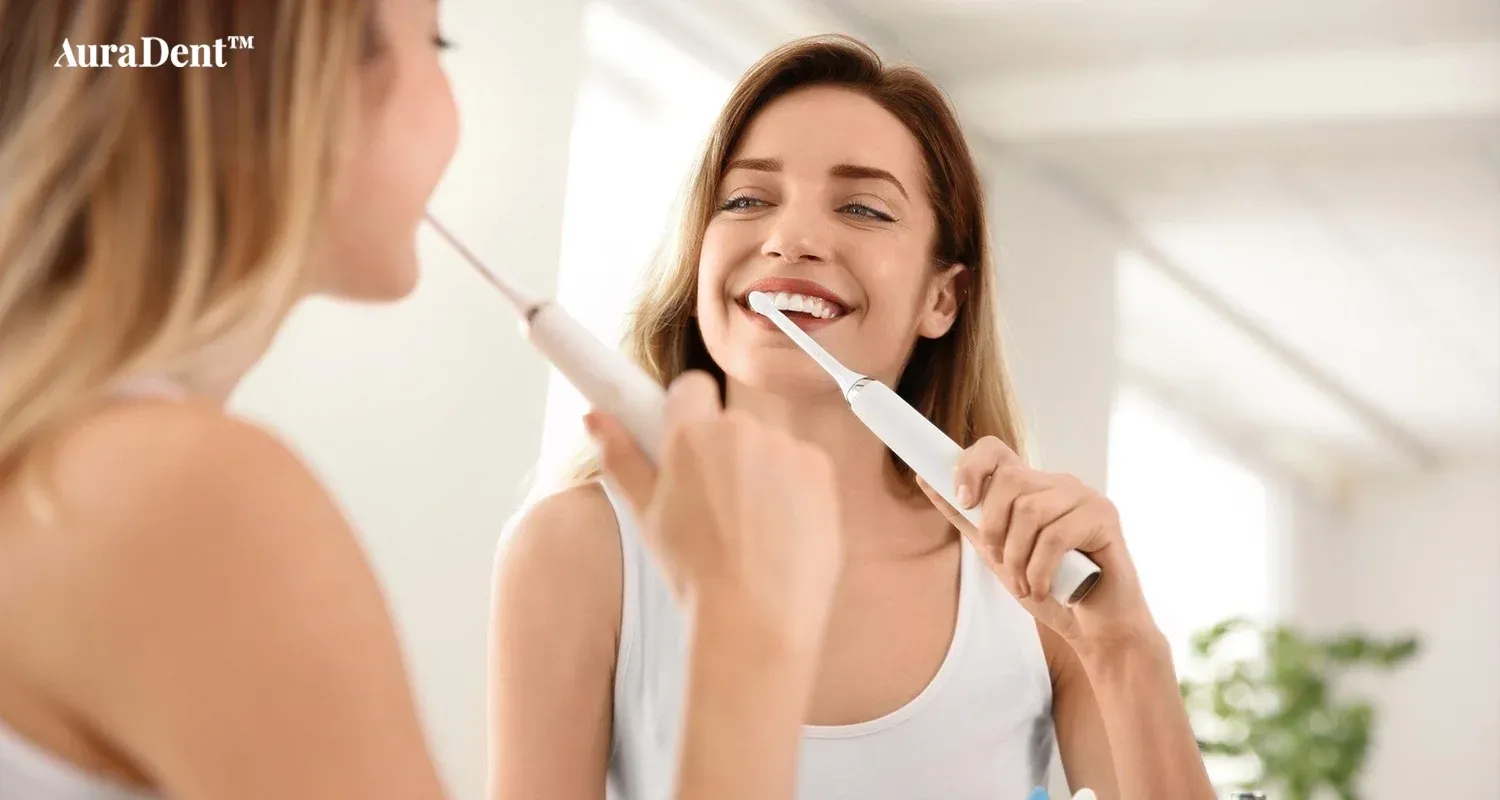
Types of orthodontic toothbrushes
Several types of toothbrushes are suitable for braces. Understanding their differences helps patients choose the most effective option for their lifestyle and oral health needs.
Manual orthodontic toothbrushes
Manual orthodontic toothbrushes are designed with the characteristic V shaped bristle cut. They offer a simple and affordable way to clean around braces when used correctly.
Pros include low cost, wide availability, and direct control over brushing pressure and movement. These brushes require no charging and are easy to carry when traveling.
However, their effectiveness depends heavily on technique and consistency. Thorough cleaning takes more time and attention, and missed areas are more common without careful effort. Manual orthodontic toothbrushes are best suited for patients who are highly diligent and comfortable with detailed brushing routines.
Electric toothbrushes for braces
Electric toothbrushes use vibrating or rotating movements to enhance plaque removal. Many modern models offer specialized orthodontic brush heads designed specifically for braces.
Sonic toothbrushes use high frequency vibrations to create fluid movement that helps disrupt plaque beyond direct bristle contact. Oscillating rotating toothbrushes use a small round head that cleans each tooth individually with controlled motion.
Electric toothbrushes often remove plaque more effectively than manual brushes with less effort. Built in timers help ensure adequate brushing time, while pressure sensors protect gums and orthodontic components from excessive force. The main drawbacks include higher initial cost and the need for replacement brush heads.
For most patients with braces, electric toothbrushes provide a reliable and efficient solution, especially for those who struggle with manual technique or have a higher risk of cavities.
Interdental brushes for braces
An interdental brush for braces is not a replacement for a toothbrush but an essential complementary tool. These small brushes are designed to clean narrow spaces that regular toothbrushes cannot reach.
They are particularly effective for cleaning between brackets and under the archwire, as well as between teeth where spaces are larger. Interdental brushes remove trapped food and plaque that would otherwise remain and contribute to gum inflammation or decay.
Correct sizing and gentle use are important to avoid bending the wire or wearing out the brush too quickly. For patients with braces, interdental brushes are a daily necessity rather than an optional accessory.
Choosing the best toothbrush for your braces
Selecting the best toothbrush for braces depends on individual factors such as age, oral health needs, and daily habits. While many options are available, the right choice should support effective plaque removal while remaining easy to use throughout orthodontic treatment.
- Age and motor skills: Children and teenagers often benefit from electric toothbrushes with smaller heads and built in timers, which help support developing coordination and consistent brushing habits.
- Manual or electric option: Adults may choose either, but electric toothbrushes are often recommended due to their superior plaque removal and ease of use, particularly in more complex orthodontic cases.
- Oral health risk factors: Patients with a higher risk of cavities or gum inflammation should prioritize efficiency and consistency by using an electric orthodontic toothbrush alongside an interdental brush.
- Treatment complexity: Orthodontic cases involving multiple brackets, elastics, or additional appliances benefit from tools that simplify thorough cleaning.
- Budget and long term value: Although electric toothbrushes have a higher initial cost, preventing dental complications during treatment often saves time and money in the long run.
- Professional advice: Personalized guidance from an orthodontist is essential, as appliance type, hygiene habits, and individual risk factors influence the most suitable toothbrush choice.
Mastering your brushing technique with braces
Even the best orthodontic toothbrush is only effective when paired with proper technique. When wearing braces, daily brushing must be more thorough and consistent to protect both teeth and gums throughout orthodontic treatment.
Teeth should be brushed after every meal or at least three times a day for a minimum of two minutes. Gentle pressure is essential, as brushing too hard can irritate the gums or damage brackets, wires, or rubber bands for braces. Begin by rinsing the mouth with water to remove loose food particles and reduce debris before brushing.
Clean carefully above and below the brackets by angling the toothbrush at approximately 45 degrees toward the gumline and using small circular or vibratory movements. Pay close attention to the chewing surfaces and inner sides of the teeth, then gently brush along the gumline and tongue to reduce bacteria and support fresh breath. This technique should be adapted depending on the types of braces used, as different appliances may create different areas where plaque accumulates.
Finish by using an interdental brush to clean under the archwire and between brackets where a regular toothbrush cannot reach. Brush heads should be replaced every three to four months, or sooner if bristles become worn. For added protection during sports or nighttime grinding, your orthodontist may also recommend a Mouthguard for braces to help protect both teeth and orthodontic appliances during treatment.
Other essential cleaning tools for braces patients
A complete hygiene routine involves more than just toothbrushes for braces.
Orthodontic floss or floss threaders are necessary because standard floss cannot pass under the archwire. These tools allow floss to reach between teeth and under wires where plaque often accumulates.
Water flossers use a pulsating stream of water to dislodge debris around brackets and wires. They are particularly helpful for patients who find traditional flossing difficult and can significantly improve gum health when used daily.
Antimicrobial mouthwash can reduce bacterial levels and provide additional protection against cavities. Alcohol free fluoride mouthwashes are commonly recommended to avoid dryness while strengthening enamel.
Orthodontic wax is useful for managing irritation from brackets or wires rubbing against the cheeks or lips. While it does not contribute to cleaning, it improves comfort and helps patients maintain consistent hygiene routines without discomfort.
Conclusion: your commitment to a healthy, straighter smile
Orthodontic treatment is an investment in long term oral health and confidence. To protect that investment, daily hygiene must be adapted to the unique challenges created by braces. Choosing the best toothbrush for braces and using it correctly helps prevent cavities, gum disease, and staining that can compromise treatment results.
Consistent brushing, combined with interdental cleaning and supportive hygiene tools, ensures that teeth remain healthy and strong throughout orthodontic care. Whether treatment involves traditional appliances or modern options such as Invisalign, maintaining oral hygiene remains essential.
Patients undergoing orthodontic treatment should view their toothbrush not as a simple accessory but as a key clinical tool. Questions about the most suitable toothbrushes for braces or proper brushing techniques are best addressed during professional consultations. Ongoing guidance helps ensure that the final result is not only straight teeth but a healthy, confident smile that lasts.
FAQs about braces and toothbrushes
Dr. Panteha Bigdeli
Related Posts
.webp&w=3840&q=100)