
- General Dentistry
Dental Implants: Risks and Complications: Symptoms and Solutions

Dental Implant Risks and Complications: What You Need to Know
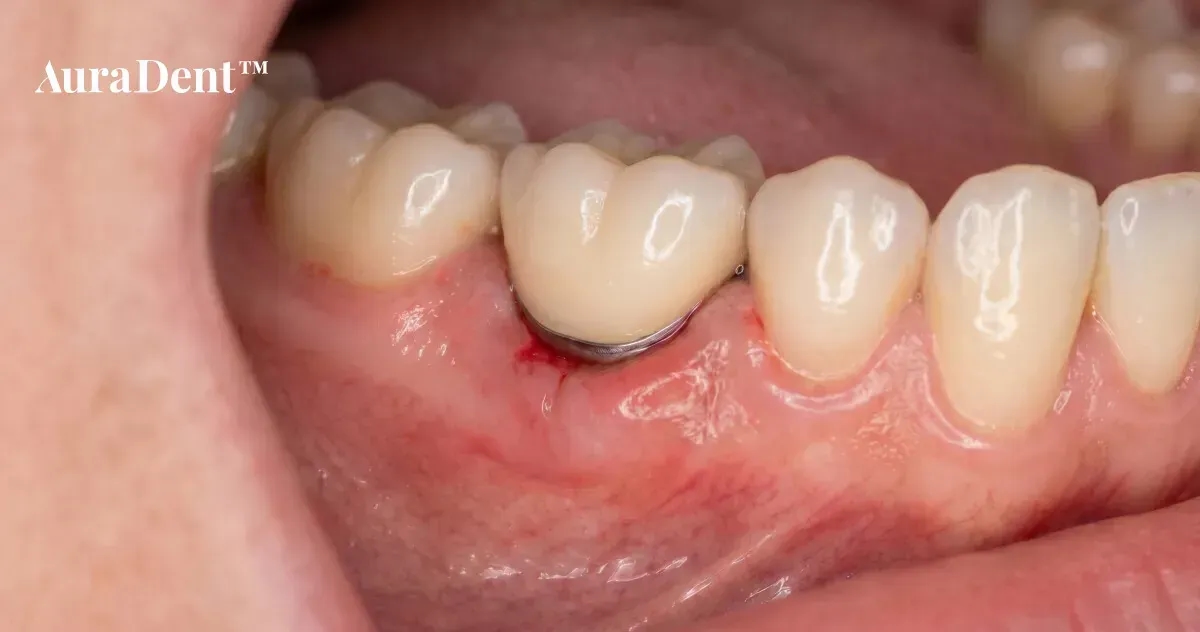
Dental implants are one of the most successful solutions for replacing lost teeth. They provide both stability and a natural feel. But just like any surgical procedure, there is a risk of complications. Some patients experience pain, infection, or even a loose implant. In this guide, we go through the most common dental implant risks, symptoms that require attention, and how you can prevent implant problems.
Key points to know
- Common complications: dental implant infection, peri-implantitis, loose implant, headache after dental implant
- Common symptoms: swelling, pain, bleeding, pus formation, numbness
- Most important preventive measure: good oral hygiene and regular check-ups
- When to seek care: pain that does not go away, fever, severe swelling, or a loose implant
Why are dental implants used?
Dental implants are a revolutionary solution for missing teeth. Missing teeth can affect your appearance, speech, chewing function, and oral health. Dental implants consist of a titanium screw that is placed into the jawbone with an artificial dental crown attached on top.
Dental Implant Risks and Complications: What You Need to Know
Dental implants are one of the most successful solutions for replacing lost teeth. They provide both stability and a natural feel. But just like any surgical procedure, there is a risk of complications. Some patients experience pain, infection, or even a loose implant. In this guide, we go through the most common dental implant risks, symptoms that require attention, and how you can prevent implant problems.
Key points to know
- Common complications: dental implant infection, peri-implantitis, loose implant, headache after dental implant
- Common symptoms: swelling, pain, bleeding, pus formation, numbness
- Most important preventive measure: good oral hygiene and regular check-ups
- When to seek care: pain that does not go away, fever, severe swelling, or a loose implant
Why are dental implants used?
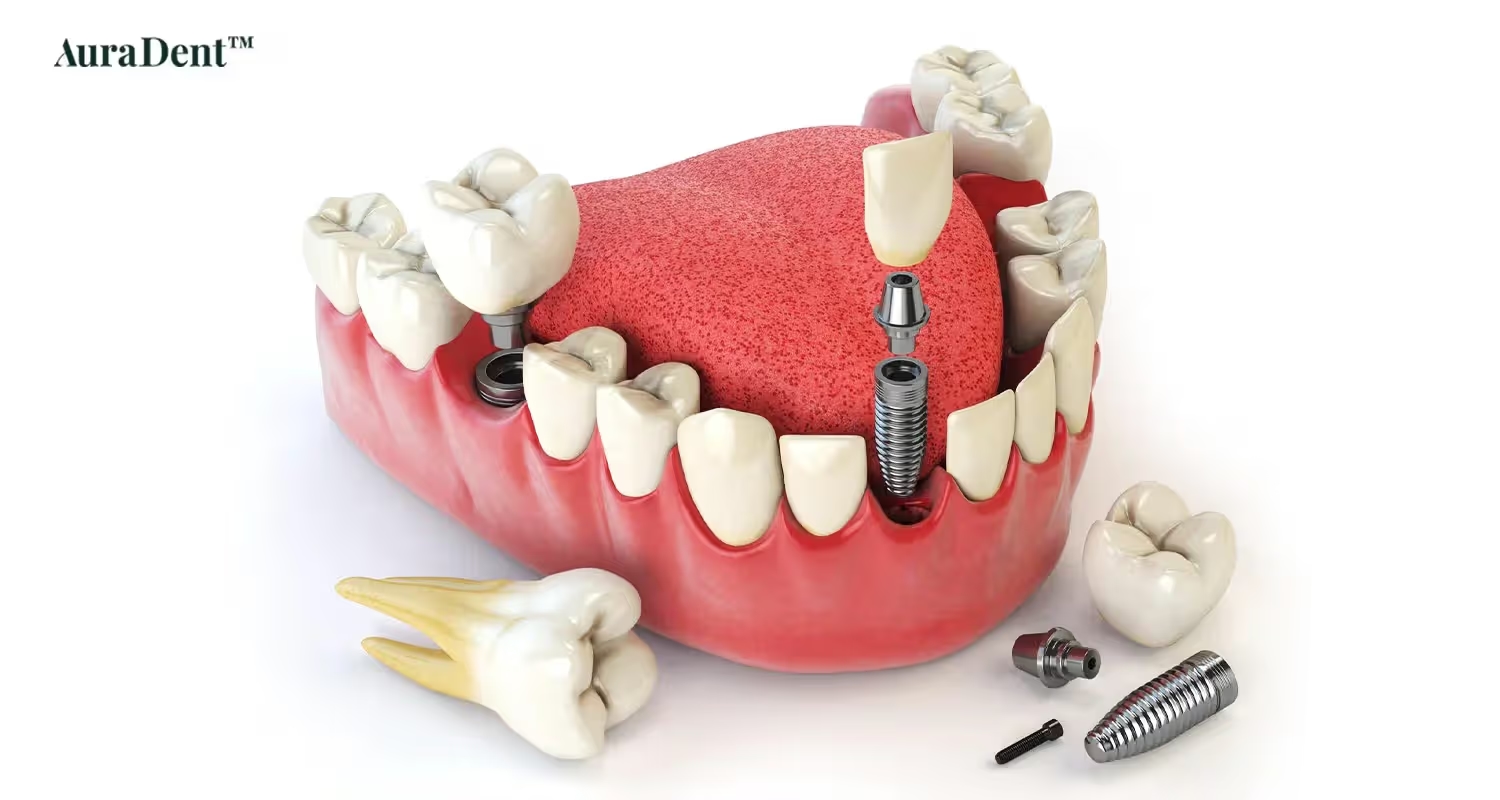
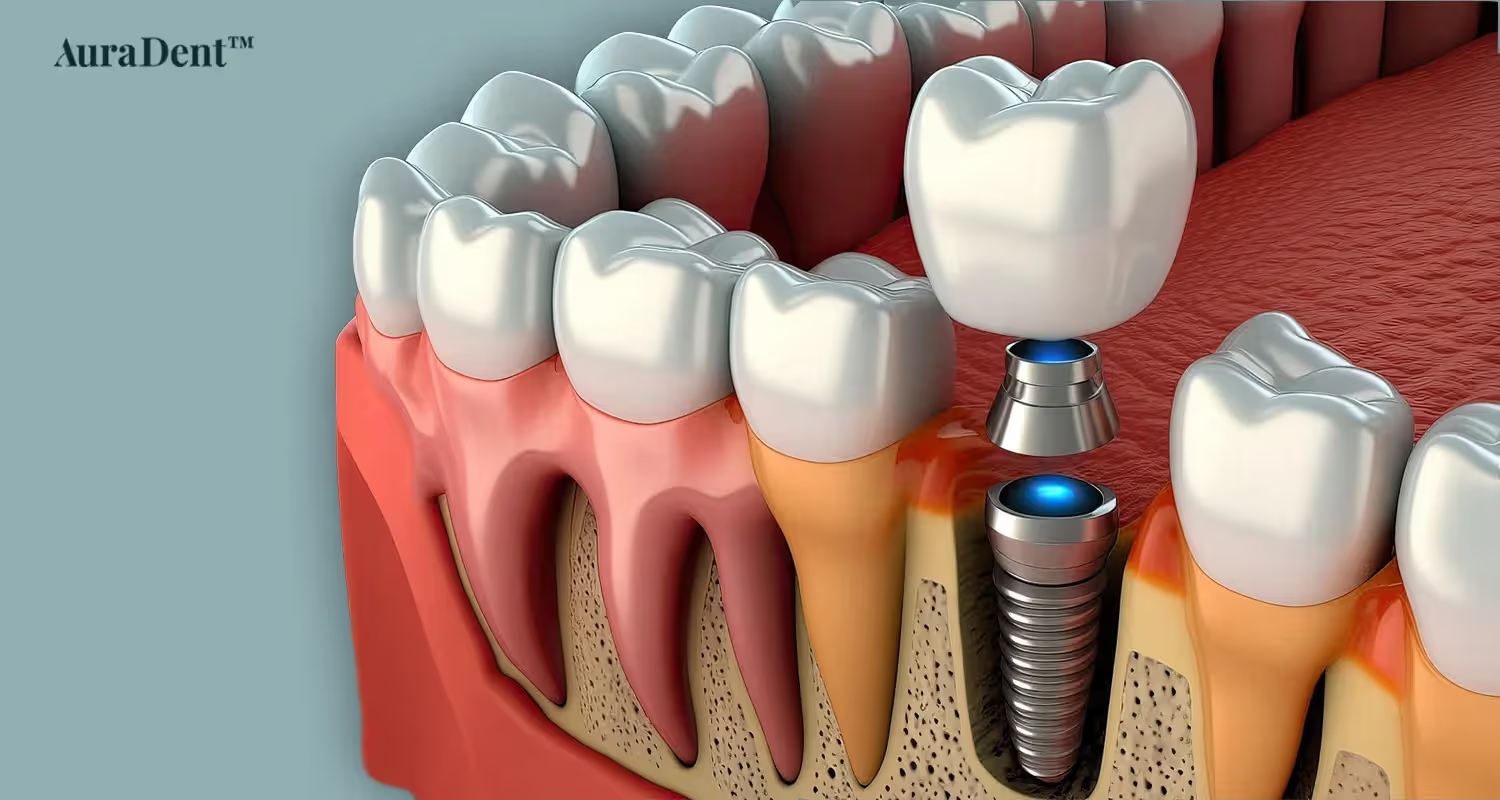
Dental implants are a revolutionary solution for missing teeth. Missing teeth can affect your appearance, speech, chewing function, and oral health. Dental implants consist of a titanium screw that is placed into the jawbone with an artificial dental crown attached on top.
When should you contact a dentist?
The following warning signs mean you should book an appointment immediately:
- Pain that is not relieved by painkillers
- Fever or chills
- Swelling that increases after three days
- Pus or discharge from the implant
- Loss of sensation or tingling in the chin, lip, or tongue
Preventive measures to avoid dental implant risks
To ensure your implant lasts a long time and functions without problems, it is important to prevent complications from the very beginning. With the right routines and lifestyle choices, you can reduce the risk of infection, inflammation, and other implant problems.
The Importance of Oral Hygiene
Good oral hygiene is the most important factor in avoiding dental implant risks. Brush thoroughly twice a day and use dental floss or interdental brushes to keep the area around the implant clean. This reduces plaque buildup, which could otherwise lead to inflammation and peri-implantitis.
Regular Check-ups with the Dentist
By attending regular check-ups, your dentist can detect early signs of problems before they develop into major complications. Annual visits, or more frequent if needed, make it possible to adjust the implant, clean hard-to-reach surfaces, and provide individual advice to prevent future issues.
Choosing an Experienced Surgeon
An experienced surgeon can reduce the risk of implant misplacement, which is a common cause of nerve damage or sinus problems. Proper technique and careful planning contribute to a safer treatment, shorter healing time, and a greater chance that the implant will last in the long term.
Avoid Smoking and Alcohol
Smoking and high alcohol consumption are strongly linked to impaired healing and an increased risk of implant problems. Nicotine impairs blood circulation in the gums and makes it more difficult for the implant to integrate with the jawbone. By avoiding these habits, you improve both healing and the longevity of the implant.

Summary
Dental implants are an effective solution for restoring both function and aesthetics. However, implant problems can occur, ranging from dental implant infection to peri-implantitis or headache after dental implant. Some complications arise early, while others can develop slowly over time if not detected early. Therefore, it is important to pay attention to even small changes around the implant.
Through good oral hygiene, regular check-ups, and responding quickly to warning symptoms, you can reduce dental implant risks and enjoy your smile for many years to come. Proper aftercare and a professional assessment from your dentist are the keys to long-term success with implants.
Are you worried about your implant or planning a treatment? Contact AuraDent™ today for professional advice and safe treatment.
FAQs