
- Dental Hygiene
- General Dentistry
Dry Mouth (Xerostomia)? Causes, 10 Home Remedies, and Effective Treatment

Key Points in Brief
- Dry mouth can be caused by medications, illnesses, or lifestyle factors.
- Common dry mouth symptoms include bad breath, difficulty swallowing, and a dry tongue.
- Dry mouth home remedies such as water, sugar-free gum, and a humidifier can provide quick relief.
- Professional dry mouth treatment includes saliva substitutes and medications.
- Do not ignore dry mouth at night or long-term problems – book an appointment with your dentist.
Common Dry Mouth Symptoms You Should Not Ignore
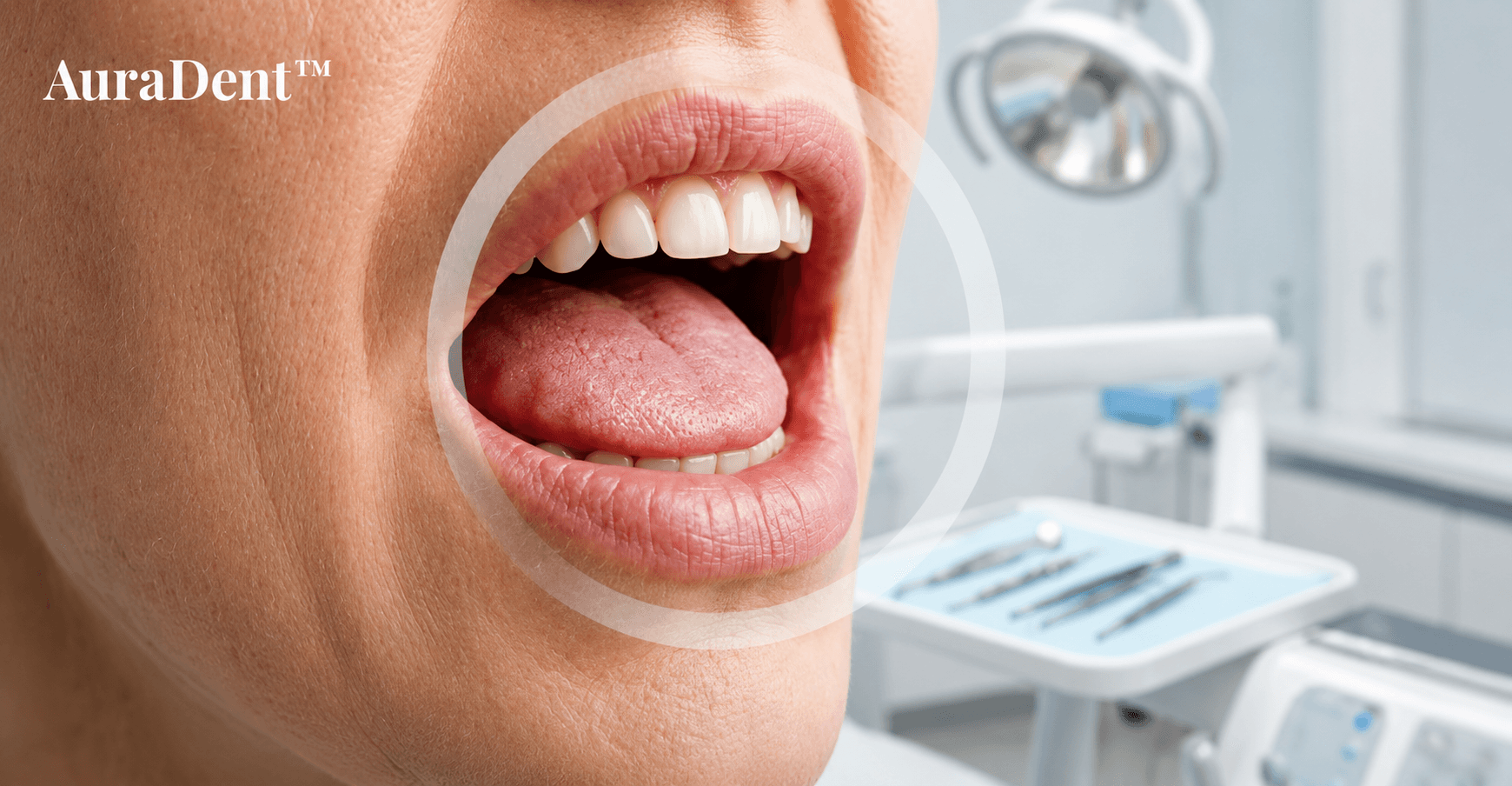
The most common dry mouth symptoms are a persistent feeling of dryness in the mouth, often accompanied by discomfort in the tongue, throat, and gums. A dry tongue can be an early sign, but there are several other signals you should be aware of:
- Bad breath that occurs when saliva flow does not wash away bacteria.
- Difficulty chewing, speaking, and swallowing, especially dry or spicy food.
- Dry tongue or cracked tongue, sometimes with sores or a burning sensation.
- Hoarseness and sore throat that make it uncomfortable to speak for long periods.
- Altered taste experience, where food may taste metallic, bitter, or less intense.
- Problems wearing dentures, as lack of saliva causes them to chafe and fit poorly.
- Increased thirst, especially at night, which often leads to repeated awakenings.
- Dry skin or cracks in the corners of the mouth, which can become an entry point for infections.
Recognizing these dry mouth symptoms early is crucial to avoid complications.

Why Is the Mouth Dry? The 7 Most Common Causes
There are several different causes of dry mouth, and often it is a combination of factors that lead to the discomfort. Here are the seven most common:
- Medications
Many medications have dry mouth as a side effect, particularly antidepressants, antihistamines, diuretics, painkillers, and blood pressure medications. - Medical conditions
Diseases such as diabetes, Sjögren's syndrome, Parkinson's, and Alzheimer's can cause xerostomia by affecting the salivary glands. - Radiation therapy or chemotherapy
Cancer treatments can damage the salivary glands and cause long-term dry mouth. - Aging
Older individuals are more often affected by dry mouth due to changes in body function and medication use. - Dehydration
Insufficient fluid intake or illnesses that cause fluid loss can quickly lead to dry mouth. - Lifestyle factors
Smoking, stress, and the habit of breathing through the mouth instead of the nose are strong contributing causes of dry mouth. - Hormonal changes
Menopause or the use of birth control pills can affect the hormonal balance and thereby increase the risk of xerostomia.
10 Effective Home Remedies for Dry Mouth for Quick Relief
If you want to try a simple dry mouth home remedy, there are several methods that can quickly relieve the discomfort and make the mouth more comfortable:
- Drink plenty of water throughout the day.
- Chew sugar-free gum with xylitol.
- Use a humidifier at night to reduce dry mouth at night.
- Avoid alcohol, caffeine, and acidic drinks.
- Suck on ice cubes to rehydrate the mouth.
- Rinse with salt water to relieve irritation.
- Use sugar-free lozenges.
- Apply coconut oil or olive oil in the mouth.
- Eat water-rich fruits such as melon and orange.
- Avoid tobacco products completely.
Professional Treatment of Dry Mouth at the Dentist
When home remedies are not enough, professional dry mouth treatment is available:
- Saliva-stimulating medications (tablets, spray, or gum).
- Saliva substitutes such as gel or mouthwash.
- Surgery for salivary gland blockage.
- Radiation therapy in some cases.
At AuraDent, you receive an individualized treatment plan to manage xerostomia in the best possible way.
When Should You Seek Help for Dry Mouth?
Do not ignore long-term or severe symptoms of dry mouth. Contact a dentist if you experience:
- Persistent dry mouth despite home remedies.
- Difficulty eating, swallowing, or speaking.
- Frequent infections or tooth decay.
- Pronounced dry mouth at night that disrupts sleep.
Conclusion
Dry mouth is a common condition but should not be ignored. By understanding the causes of dry mouth, recognizing dry mouth symptoms, and trying both dry mouth home remedies and professional dry mouth treatment, you can restore healthy oral health and prevent long-term problems. Particularly if you experience dry mouth at night, the condition can be extra troublesome, as it often disrupts both sleep and recovery.
Acting early is crucial to avoid complications such as tooth decay, gum inflammation, or fungal infections. With the right help, you can not only relieve the discomfort but also improve your quality of life by restoring speech, chewing ability, and taste experience. Preventive measures such as good oral hygiene, avoiding dehydrating drinks, and regular dental visits are the keys to keeping xerostomia symptoms under control.
Book an appointment at AuraDent today to investigate your dry mouth and receive the right treatment.
FAQs