
- General Dentistry
Everything You Need to Know About Wisdom Teeth: From Early Symptoms to Treatment

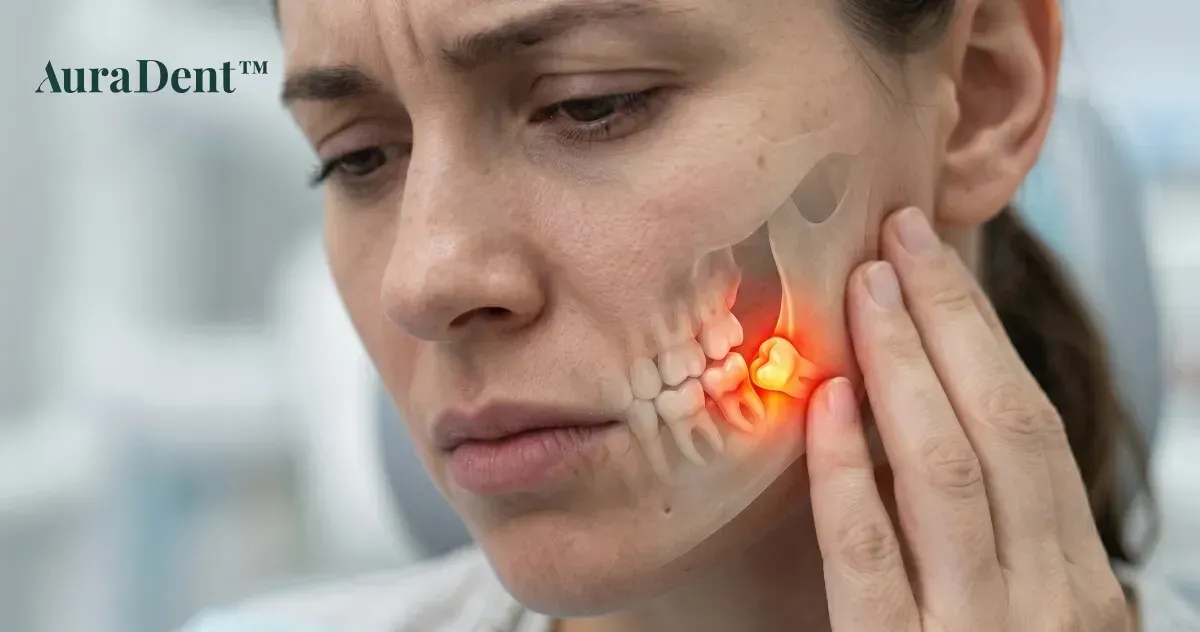
Wisdom Teeth: Symptoms, Causes, and Treatment
Wisdom teeth are the last molars to emerge, usually between the ages of 17 and 25. For many people, they cause no problems at all, but for others, they can lead to pain, infection, or other complications. Wisdom tooth pain is one of the most common causes of toothache in young adults and often causes concern.
In this guide, you will learn everything about symptoms, causes, treatments, and what you can do at home.
How do I know if I have wisdom tooth pain? Common symptoms
Recognizing pain from a wisdom tooth can sometimes be difficult, as it can resemble other types of oral pain. Therefore, it is important to understand which symptoms are typical of wisdom teeth and when they may signal an underlying problem.
Pain: dull, throbbing, or sharp?
Wisdom tooth pain can be felt in different ways. It may be dull and aching, throbbing, or sharp. Many describe the pain as radiating into the jaw, ear, or throat (ear and throat pain). The pain may also worsen when you chew or open your mouth. Headaches are not uncommon as the pressure from the tooth spreads.
Other signs of problems
In addition to pain, there are several other signs that may indicate problems with wisdom teeth:
- Swelling of the gum around the tooth
- Redness, tenderness, or bleeding
- Bad breath or an unpleasant taste in the mouth
- Difficulty opening the mouth fully
- Fever or a general feeling of being unwell
Why does my wisdom tooth hurt? Causes and risks
There are several reasons why a wisdom tooth may start to hurt. The pain is rarely due to a single factor but is often the result of crowded space, inflammation, or other issues that arise as the tooth emerges. Below are the most common risks and why they can cause discomfort.
Inflammation and infection (Pericoronitis)
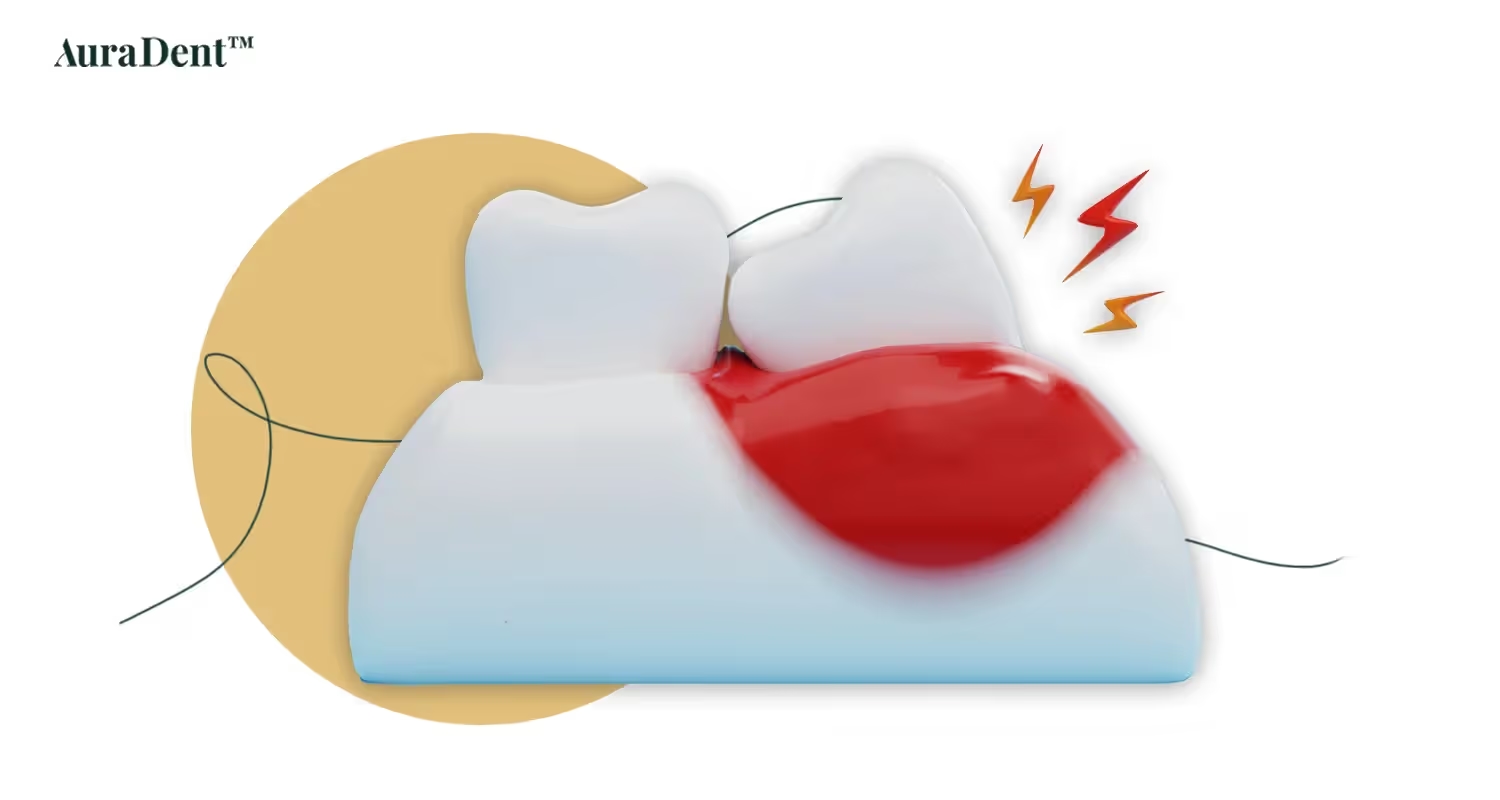
A partially erupted wisdom tooth can leave a flap of gum tissue that becomes easily infected. This is called acute wisdom tooth inflammation or pericoronitis, and it can cause severe pain, swelling, and sometimes pus formation.
Impaction: when the tooth does not have enough space
Many wisdom teeth become wedged or stuck because the jaw does not have sufficient room. This can create pressure against other teeth, gums, and the jawbone, leading to pain and inflammation.
Cavities (tooth decay) in the wisdom tooth
Since wisdom teeth are often difficult to reach with a toothbrush and floss, the risk of cavities is high. A cavity in a wisdom tooth can cause sensitivity to cold, heat, and sweets, and can develop rapidly if left untreated.
What can I do myself? Relieving the pain at home
It is not always necessary to seek professional care immediately when you have wisdom tooth pain. In many cases, you can relieve the discomfort at home using simple and safe methods. These measures often provide temporary pain relief and can reduce the risk of infection until you see a dentist.
Irrigating your wisdom tooth yourself: a step-by-step guide
One of the most common questions is whether you can irrigate your wisdom tooth yourself. Yes, it is possible as a temporary measure:
- Boil water and let it cool to body temperature
- Dissolve half a teaspoon of salt in a glass of water
- Gently rinse your mouth with the solution for 30 seconds
- Spit it out – do not swallow
- Repeat several times a day, especially after meals
This reduces bacteria and food debris that could otherwise cause infection.
Other home remedies and over-the-counter medications
In addition to rinsing, you can relieve the pain with:
- Cold compresses on the cheek to reduce swelling
- Pain relievers such as ibuprofen or paracetamol (follow dosage instructions)
- Antibacterial mouthwashes
- Clove oil applied with a cotton swab for local pain relief
- Avoiding hard, chewy, or spicy foods
When should I seek professional help? Book an emergency appointment
Contact a dentist if you experience any of the following:
- The pain is severe or persistent
- Swelling in the face, jaw, or throat
- Difficulty swallowing or breathing
- High fever above 38°C (100.4°F)
- Signs of infection such as pus, bad taste, or odor
Unsure about your symptoms? Book an emergency appointment at AuraDent™ and get prompt help.
Treatment at the dentist: what happens now?
When you seek help from a dentist for wisdom tooth problems, the process always begins with a thorough examination. Depending on the position of the tooth and the symptoms you have, treatment can range from simple measures to surgical procedures. Here is what can happen step by step.
Examination and diagnosis
The dentist performs a clinical examination and may take X-rays to see the position of the tooth and whether there is infection or damage to adjacent teeth.
Wisdom tooth removal (extraction)
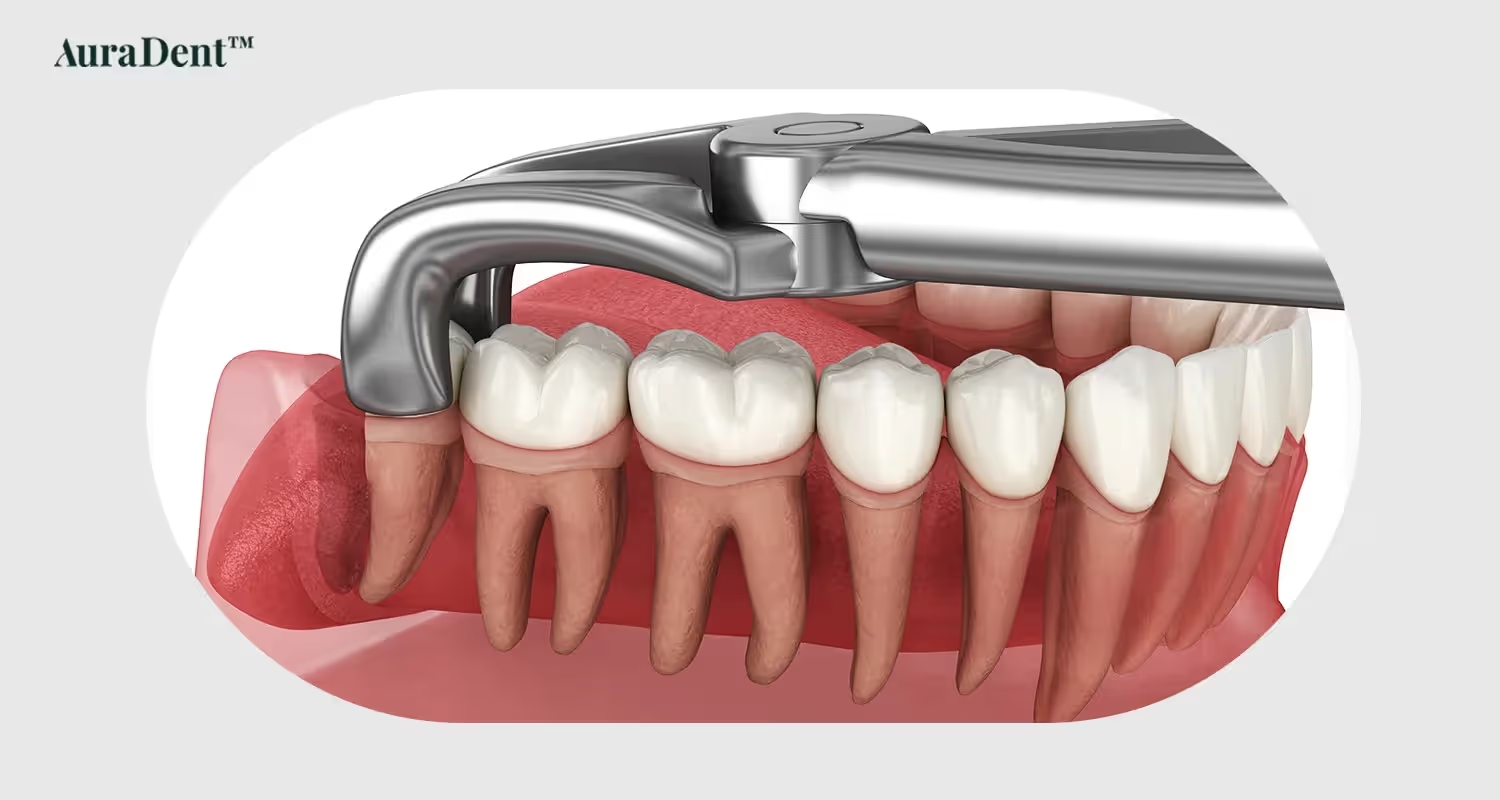
If the tooth is causing problems, removal is often the best solution. The procedure is performed under local anesthesia. In simple cases, the tooth is extracted directly, but in more difficult cases, minor surgery may be required.
Wisdom tooth surgery: when is it needed?
Wisdom tooth surgery may become necessary if the tooth is impacted or located close to nerves or sinuses. This is performed by a dentist or oral surgeon and may involve stitches and a longer healing time.
After the procedure: recovery and complications
After a wisdom tooth has been removed, it is important to know what is a normal part of healing and when it may indicate a complication. By understanding the difference, you can follow your recovery more safely and know when it is time to contact a dentist.
Normal recovery: what can I expect?
After a wisdom tooth has been removed, it is normal to experience tenderness, swelling, and mild bleeding for 3 to 5 days. Most people recover completely within a week.
Possible complications and what to do
In rare cases, complications may occur:
- Dry socket (alveolar osteitis): When the blood clot becomes dislodged. Causes intense pain and requires treatment.
- Infection: May cause fever, pus formation, and swelling. Requires antibiotics.
- Nerve injury: Very rare, but can cause temporary or permanent numbness in the lip or chin.
- Sinus issues: If the upper wisdom teeth are located close to the sinuses, pressure or infection may occur.
Summary
Wisdom teeth are the last teeth to emerge and can cause everything from mild discomfort to infection and the need for surgery. Symptoms such as wisdom tooth pain, swelling, or bad breath should always be taken seriously, as they may be signs of inflammation or other problems. You can often relieve the pain temporarily with home remedies such as irrigating your wisdom tooth yourself, using cold compresses, or over-the-counter medications. Maintaining good oral hygiene and rinsing regularly can also reduce the risk of infection.
At the same time, it is important to remember that persistent or severe pain, fever, and swelling should never be ignored. These symptoms require professional evaluation and may sometimes mean that the tooth needs to be removed. An early examination by a dentist can prevent complications and make treatment easier and less invasive.
Book an appointment at AuraDent™ today for a safe examination and treatment of your wisdom teeth.
FAQs