
- General Dentistry
- Dental Hygiene
Invisalign and Gum Health: Do the aligners affect your gums?

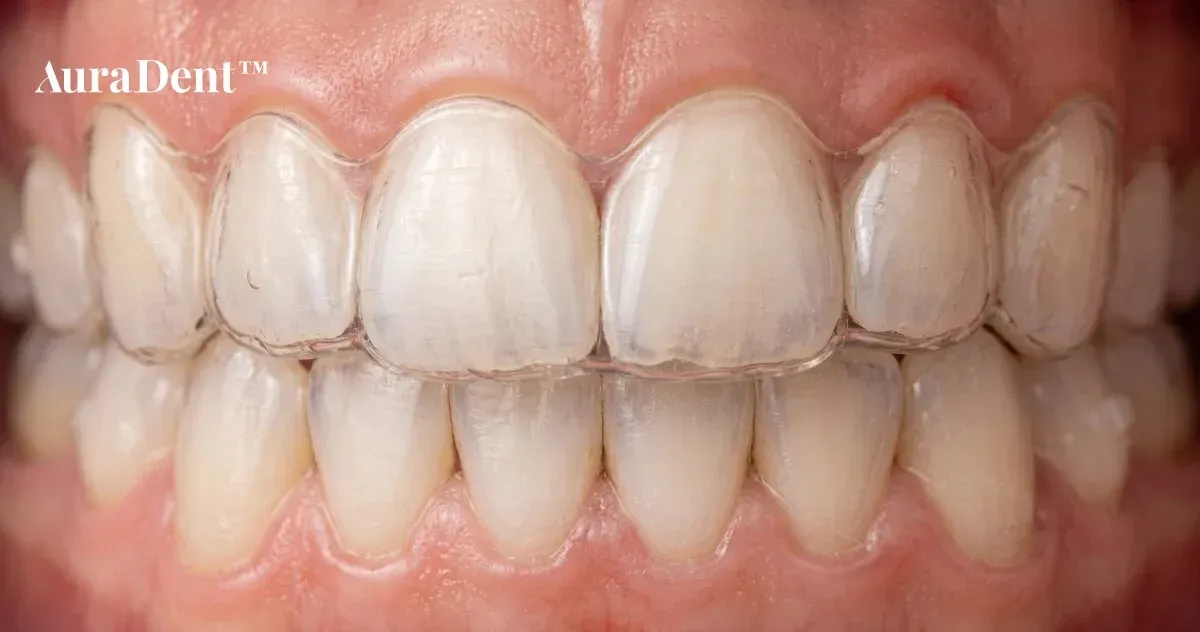
Because Invisalign aligners are transparent and removable, they have become a popular option for orthodontic treatment. But how do they actually affect the gums? Some users experience irritation, inflammation, or even gum recession during treatment. At the same time, the aligners can also improve gum health by reducing crowding and making cleaning easier.
Here we go through how Invisalign and gums interact, what problems can arise, and how to avoid them to ensure a smooth and healthy treatment.
How does Invisalign affect the gums?
The gums are sensitive and react quickly to changes in the mouth. Invisalign aligners can have both positive and negative effects depending on how they are used and how well oral hygiene is maintained.
Possible benefits:
- Reduces plaque buildup: When teeth are straightened, crowding is reduced, making it easier to brush and floss. Less bacterial accumulation means fewer problems with inflammation and gum disease.
- Protects against irritation: Since the aligners cover the teeth, they protect the teeth from grinding.
- Better pressure distribution: Unlike traditional braces, which can create pressure points on certain teeth, Invisalign distributes force evenly, which can be gentler on the gums.
Possible disadvantages:
- Increased bacterial growth: If the aligners are not cleaned properly, bacteria can become trapped between the teeth and gums, which can lead to inflammation and bad breath.
- Temporary irritation: As the teeth move, the gums may feel tender, especially at the beginning of each new aligner.
- Risk of gum inflammation: If you do not brush and floss regularly, plaque can build up along the gum line, increasing the risk of inflammation.
Gum inflammation and Invisalign
Gum inflammation occurs when plaque and bacteria collect along the gum line. This can happen more quickly with Invisalign because the aligners can trap bacteria and prevent saliva from naturally washing them away.
Signs of inflammation:
- Red and swollen gums
- Bleeding when brushing or flossing
- Persistent bad breath
- Tenderness or irritation along the gum line
How to avoid inflammation:
- Brush your teeth thoroughly: At least two minutes, morning and evening, with fluoride toothpaste.
- Floss daily: This removes plaque between teeth where the toothbrush cannot reach.
- Rinse the aligners properly: Use a cleaning solution or mild dish soap instead of just water.
- Remove the aligners regularly: If you do not take them out when eating or drinking, bacteria can accumulate.
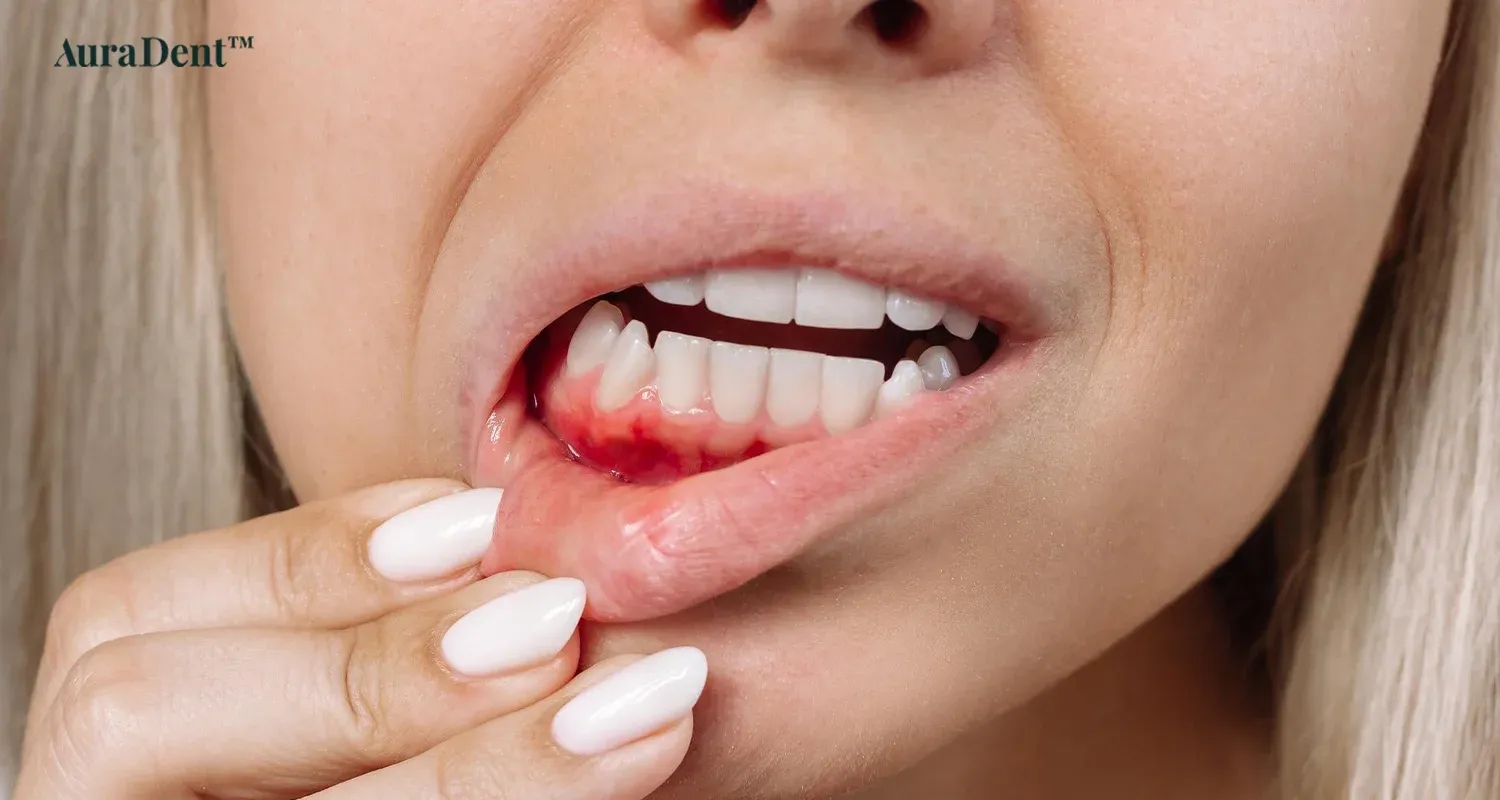
Can Invisalign cause gum recession?
Gum recession means that the gums pull back, exposing more of the tooth root. This can lead to sensitivity and increase the risk of cavities.
Causes of gum recession during Invisalign treatment:
- Inadequate oral hygiene: If plaque and tartar build up along the gum line, it can lead to inflammation, which in turn can cause the gums to recede.
- Excessive pressure distribution: If the teeth are moved too quickly, it can create tension in the gums, which may cause recession.
- Genetics and pre-existing conditions: Some people naturally have thinner gums or a tendency to develop gum recession. Invisalign can accelerate this if a tendency already exists.
How to minimize the risk:
- Follow your dentist's instructions to avoid moving the teeth too quickly.
- Use a soft toothbrush and avoid aggressive brushing.
- Clean your teeth and aligners thoroughly to prevent inflammation.
Best oral hygiene routine with Invisalign
To keep your gums healthy during treatment, a thorough oral hygiene routine is required.
Daily routines:
- Brush your teeth after every meal: Food particles can get trapped under the aligners and cause bacterial growth.
- Floss every day: This helps remove plaque that can cause inflammation.
- Rinse with an alcohol-free mouthwash: Alcohol can dry out the mouth and make the gums more sensitive.
- Clean the aligners properly: Use a special cleaning solution or a mild soap solution to keep them fresh.

Foods and drinks to avoid
To protect both teeth and gums, it is best to avoid certain foods during treatment.
Foods to avoid:
- Sticky foods: Candies and chewing gum can get stuck to the teeth and aligners.
- Hard foods: Nuts and hard candies can create unnecessary pressure on the teeth during movement.
Drinks to be cautious with:
- Coffee and tea: Can cause discoloration of both teeth and aligners.
- Sugary and acidic drinks: Soda, juice, and energy drinks can damage enamel and irritate the gums.
The best option is to drink only water while the aligners are in your mouth.
When should you contact the dentist?
If you notice any of the following symptoms, it is best to book an appointment with your dentist:
- Persistent pain or discomfort
- Severe irritation or swelling of the gums
- Visible gum recession
- The aligners do not feel right or are rubbing excessively
Prompt action can prevent more serious problems and ensure that your Invisalign treatment is as effective and comfortable as possible.
Conclusion
Invisalign can improve dental health but requires careful oral hygiene to avoid problems. The aligners can protect against external irritation, but if they are not cleaned properly, bacteria can accumulate, increasing the risk of inflammation. Regular brushing, flossing, and rinsing with an alcohol-free mouthwash are essential for keeping gums healthy during Invisalign treatment.
It is also important to follow the dentist's instructions regarding aligner usage and replacement schedule, as well as to avoid eating or drinking anything other than water while wearing them. If the gums become tender or begin to bleed, it should not be ignored, as it may be a sign of a problem that requires attention.
FAQs