
- General Dentistry
Is orthodontic treatment free for children in Sweden? Here’s what you need to know as a parent
.webp&w=3840&q=100)
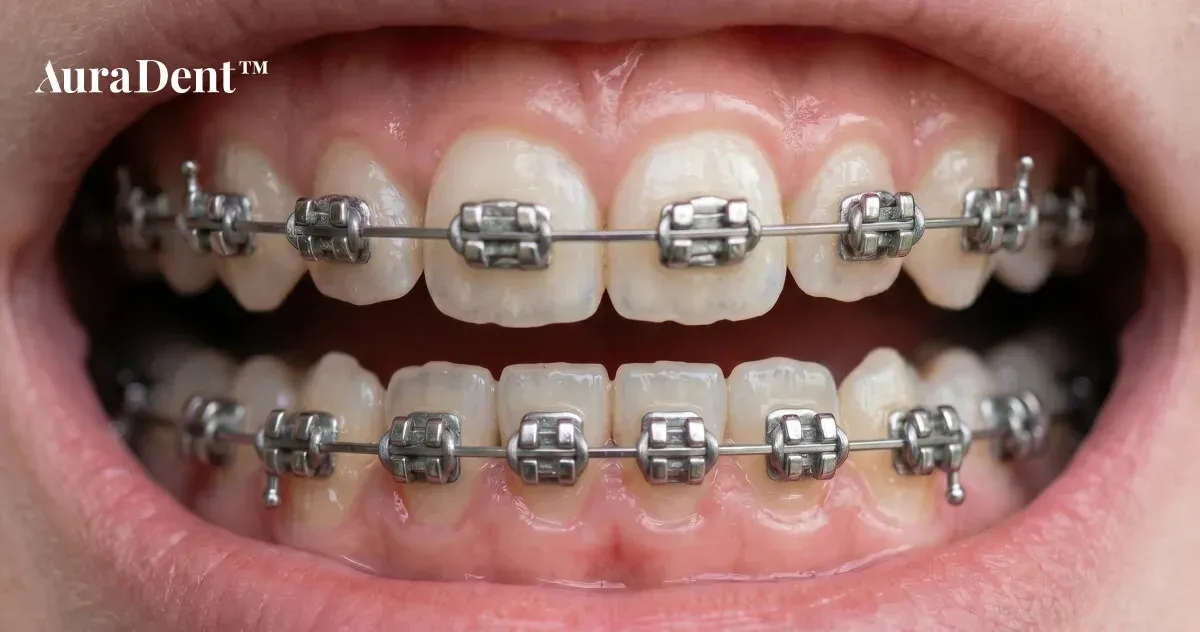
Many parents wonder whether their child will need orthodontic treatment and whether it will involve a cost. This is a perfectly reasonable concern, especially since orthodontic treatment often continues over a longer period.
In Sweden, there is a strong safety net for children's and young people's dental health. Dental care is free of charge up to and including the year the child turns 19. This also applies to orthodontic treatment, provided there is a medical need for treatment according to the region's criteria.
If a treatment has been initiated before the child turns 20, it remains free of charge, even if the age limit is passed during the course of treatment. This means that no one needs to interrupt an already initiated orthodontic treatment due to new regulations.
For individuals aged 20 or older, there is a specific dental care subsidy that can be used as partial payment for certain types of treatment, but free-of-charge care ceases at age 19 according to the new national legislation that came into effect on January 1, 2025.
In this guide, we explain how the public support system works, which children and adolescents are entitled to free orthodontic treatment, and what applies if you instead prefer a more aesthetic option such as Invisalign.
When is orthodontic treatment free for children?
Orthodontic treatment is included in publicly funded dental care if there is an established medical indication. This means the bite abnormality is assessed to affect the child's oral function, health, or development to such an extent that treatment is considered necessary.
Examples of situations where orthodontic treatment is approved free of charge include:
- Pronounced overbite or underbite
- Severe crowding or crossbite
- Difficulty chewing, speaking, or closing the mouth properly
- Skeletal jaw abnormalities that affect facial shape or cause muscular discomfort
The treatment is free of charge regardless of whether the child is treated within the Public Dental Service (Folktandvården) or at a private clinic that has an agreement with the region. And if you're wondering how long you wear braces for an overbite, it completely depends on the severity of the bite, the child's age, and the type of treatment used.

Who decides if a child gets braces?
It is the child's regular dentist, or in some cases an orthodontist with specialist competence in orthodontics, who makes the assessment of whether treatment is medically justified.
As a parent, you cannot request free braces on your own, but you always have the right to have your child's needs evaluated. You also have the right to receive a clear and informative explanation of the decision that is made, regardless of whether treatment is approved or not.
Such an assessment is often carried out in collaboration between general dental care and specialist dental care to ensure a fair and uniform evaluation based on the region's criteria.
In some cases, a referral to a specialist dentist is required to determine whether treatment is justified. If so, an individual treatment plan is established, which is completely free of charge. And if you're wondering how long your child will need to wear braces, it varies depending on the type of bite abnormality being treated and how quickly the teeth respond to treatment.
When is braces treatment not free?
There are situations where orthodontic treatment is not covered by the public dental care subsidy.
This applies, for example, if the bite abnormality is assessed to be purely aesthetic and does not affect the child's function or health. It may also be the case that one chooses an aesthetic alternative, such as ceramic brackets or Invisalign. In such cases, additional costs may arise depending on which material or system is used.
If you choose to go to a private clinic that does not have an agreement with the region, you pay for the entire treatment yourself.
Therefore, it is important to find out early on what is covered by free-of-charge care and which parts may involve an additional cost, so that you can make an informed decision about the treatment approach.
How does it work?
To understand how braces work, it is helpful to know what the process typically looks like from the first visit to the start of treatment.
- Dental check-up: This often takes place within the Public Dental Service (Folktandvården) or at a private dentist with an agreement with the region.
- Assessment of tooth development: The dentist determines whether there is a need for orthodontic treatment.
- Referral to an orthodontist: If necessary, a referral is sent for further evaluation.
- Start of treatment: If braces are deemed necessary, treatment is planned and initiated at no cost.
If you as a parent are wondering what to say to get braces for your child, it is often enough to express concern or ask questions about bite development. The dentist will then make a professional assessment and guide you further based on your child's individual needs.
Once treatment has begun, new daily questions often arise, such as whether you can eat right after getting braces. It is good to be prepared that the child may need a little extra support during the first few days, especially regarding eating habits and daily routines. The dentist or orthodontist will always provide advice on what to keep in mind immediately after the braces are placed.
If you’re considering other options
For some children and parents, more discreet solutions may feel like a better fit. One example is invisible braces, such as Invisalign, which use clear aligners instead of traditional brackets and metal wires. It’s a comfortable and nearly invisible option that often suits teenagers who want a more flexible and aesthetically pleasing treatment.
It’s important to know that such options are usually not covered by public dental insurance. But it’s perfectly fine to discuss the matter with your dentist. In some cases, it’s possible to combine different treatment methods, or to get a quote for a private option tailored to the child’s needs and preferences.

Summary
Is orthodontic treatment free for children? Yes, in Sweden, orthodontic treatment is free for children and adolescents up to and including the year they turn 19, provided there is a medical need for treatment. Treatment can be provided through the Public Dental Service or at a private clinic that has an agreement with the region. This includes not only the braces themselves, but also follow-ups, check-ups, retainers, and necessary adjustments during the course of treatment.
If you, as a parent, are unsure whether your child is eligible for orthodontic treatment, it is wise to schedule an examination with a dentist. The earlier a potential need is identified, the better the conditions for planning the right intervention at the right time.
FAQs