
- General Dentistry
Toothache during a cold: causes, relief, and when to see a dentist

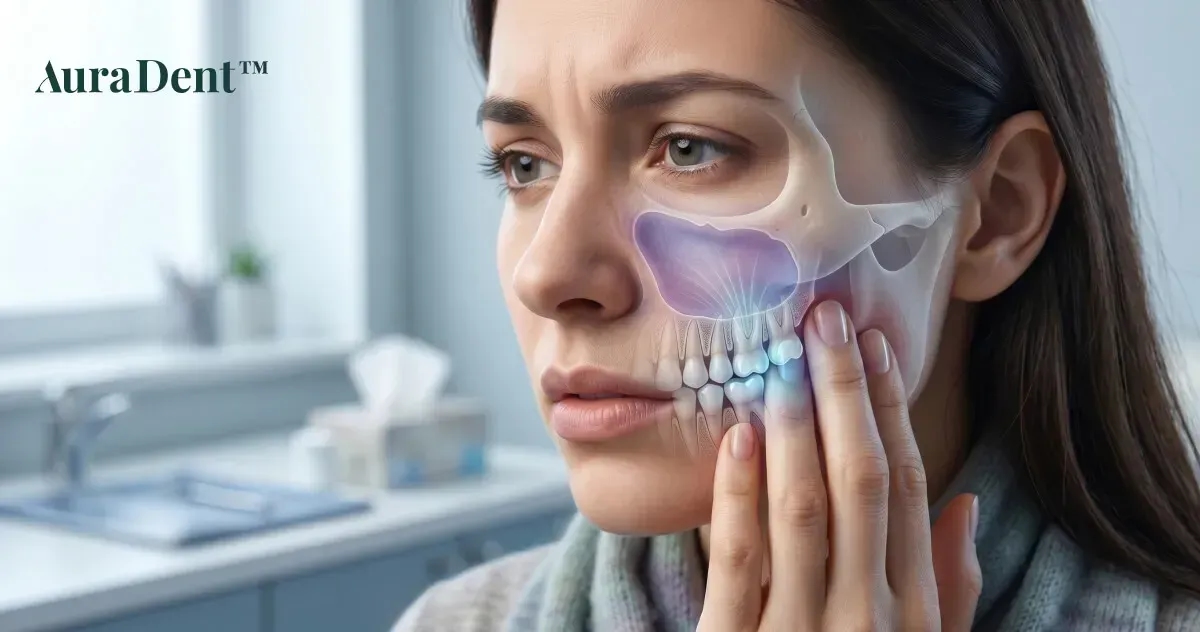
Toothache during a cold is a common complaint that many experience and that often leads to concern. The pain can feel dull, pressure-like, or throbbing, making it easy to mistake for a dental problem. In fact, toothache from a cold is usually not due to the tooth itself, but rather to pressure from the sinuses, tense jaw muscles, or swollen gum tissues. When the body fights an infection, these changes can cause pain in the teeth during a cold. In this guide, we go through the most common causes, typical symptoms, and how you can safely relieve the pain at home.
Why do you get tooth pain when you have a cold? The most common causes
When you have a cold, several different mechanisms in the body can cause toothache. Most often, it is not the tooth itself that is damaged, but changes in the sinuses, gums, or jaw muscles that cause the pain. Below are the most common causes.
Sinusitis, the main culprit
The most common explanation for toothache during a cold is sinusitis. When you have a cold, the sinuses often become congested, especially the maxillary sinuses that lie close to the roots of the upper molars. The swelling creates pressure that presses against the tooth roots and leads to a dull, persistent pain. Many describe this as sinusitis tooth pain or a typical sinusitis toothache, where several teeth feel sore simultaneously rather than a single tooth.
Swollen and sore gums during a cold
When the body is weakened during a cold, the gums become more sensitive to irritation and inflammation. It is common to experience swollen gums with a cold, which can make it difficult to chew or brush your teeth without discomfort. In some cases, you may also feel tenderness or slight bleeding. This type of gum pain during a cold is usually because the immune system is busy fighting the infection, making the gum tissue more vulnerable. Signs of inflamed gums during a cold include redness, swelling, and a feeling of tenderness that can persist until the body recovers.
Tense jaw muscles and pressure in the ears
Another common cause of toothache during a cold is tension in the jaw muscles. When the nose is stuffy and sleep is disrupted, you may unconsciously clench your jaw harder or grind your teeth at night, creating soreness and strain on both teeth and jaw joints. This can be mistaken for dental problems but is actually a result of muscle tension. At the same time, pressure in the ears during a cold can intensify the pain experience in the jaw region and contribute to the pain feeling more intense than it actually is.
Are you unsure whether your toothache is really due to a cold? Book an appointment at AuraDent™ for a safe examination and clear answers.

How to recognize "cold toothache": typical symptoms
Distinguishing between toothache that occurs in connection with a cold and toothache caused by a direct dental problem can sometimes be difficult. However, there are certain characteristics that make it easier to understand the difference.
- The pain is dull and often feels like pain in all teeth at once, especially in the upper jaw, rather than in a single tooth
- Sometimes you may also feel soreness in one tooth, but without clear signs of a cavity or damage
- The pain becomes more noticeable when you bend forward, lie down, or move your head quickly
- The pain often appears together with other cold symptoms such as nasal congestion, pressure over the sinuses, and headache
- If you also experience pus formation, fever, or swelling, however, this may be symptoms of a tooth infection and not just a temporary discomfort related to the cold
Effective pain relief at home: 8 tips you can try right away
When you experience toothache during a cold, there are several simple methods that can help relieve the toothache without needing to seek care immediately. Here are eight tips that often provide good relief:
- Warm compress on the cheek: Reduces pressure in the sinuses and relieves the pain.
- Rinse with warm salt water: Soothes the gums, reduces bacteria, and can provide temporary pain relief.
- Nasal spray or decongestant: Helps open the sinuses and reduces the pressure affecting the teeth.
- Drink warm beverages: Tea or broth can have a calming effect on both the throat and sinuses.
- Sleep with your head elevated: Raising the head position reduces pressure in the sinuses and makes breathing easier.
- Over-the-counter medications: Ibuprofen or paracetamol work as pain relievers for toothache and can be used according to instructions to reduce discomfort.
- Steam inhalation or nasal irrigation: Clears the airways and reduces the pressure sensation that often contributes to the pain.
- Avoid hard or chewy foods: By sparing your teeth and gums from extra strain, you can facilitate healing.
When is it time to contact a dentist or doctor?
Most toothache related to a cold resolves as the body's infection heals. But sometimes the pain can be a sign of something more serious. Seek professional help if:
- The pain continues even after the cold symptoms have disappeared
- The pain is severe and concentrated on a specific tooth
- The pain is accompanied by high fever or significant swelling in the face, which may be linked to jaw inflammation symptoms
- You suspect an infection in a tooth or gums, where signs such as pus formation or a bad taste in the mouth may require specific gum infection treatment
- You discover an abscess on the gum, which should always be taken very seriously and treated by a dentist
Summary
Toothache during a cold is common and is usually caused by sinusitis, jaw tension, or swollen gums. The pain is generally temporary and can be relieved with home remedies, over-the-counter medications, and preventive measures. For many, the discomfort disappears as the cold symptoms subside, but it is important to monitor the development closely. If the pain changes in character, becomes more intense, or persists after the cold has resolved, it may indicate an underlying dental problem. Persistent pain or pain combined with fever, swelling, or a bad taste from the mouth should always be taken seriously and examined by a dentist. Acting early reduces the risk of complications and allows you to return to a normal daily life without discomfort.
Book an appointment at AuraDent™ today for professional help and safe advice regarding your toothache and oral health.
FAQs