
- General Dentistry
Bite Problems and Innovative Solutions: Your Guide to Modern Treatments

Do you have difficulty chewing, experience jaw pain, or feel self-conscious about your smile? You are not alone. Bite irregularities such as overbite, crossbite, and open bite are common and can affect both function and aesthetics. Thanks to today's innovative solutions for bite problems, there are now modern, effective, and discreet ways to correct the bite without compromising comfort or appearance. In this guide, we go through the most common types of bite problems, what causes them, and how modern treatments can help you regain a harmonious, healthy smile.
Key points in brief
- Bite problems can affect chewing ability, speech, and jaw health.
- Innovative solutions such as Invisalign provide discreet and comfortable results.
- Orthognathic surgery is used for more severe bite irregularities to correct jaw position.
- Early diagnosis and proper treatment lead to better results and shorter treatment time.
- A free consultation at AuraDent helps you find the best path to a healthy bite.
Understanding Common Bite Problems
Bite problems occur when the teeth or jaws do not meet properly. This can be due to genetic factors, childhood habits, or improper jaw development. Below is an overview of the most common types of bite irregularities.
Overbite
In an overbite, the upper front teeth protrude over the lower front teeth. This can cause difficulty chewing, jaw tension, and an increased risk of injury to the front teeth. Treatment is often carried out with aligners such as Invisalign or traditional braces.
For a more detailed explanation, you can read our article on overbite and see how different treatment options work.
Crossbite
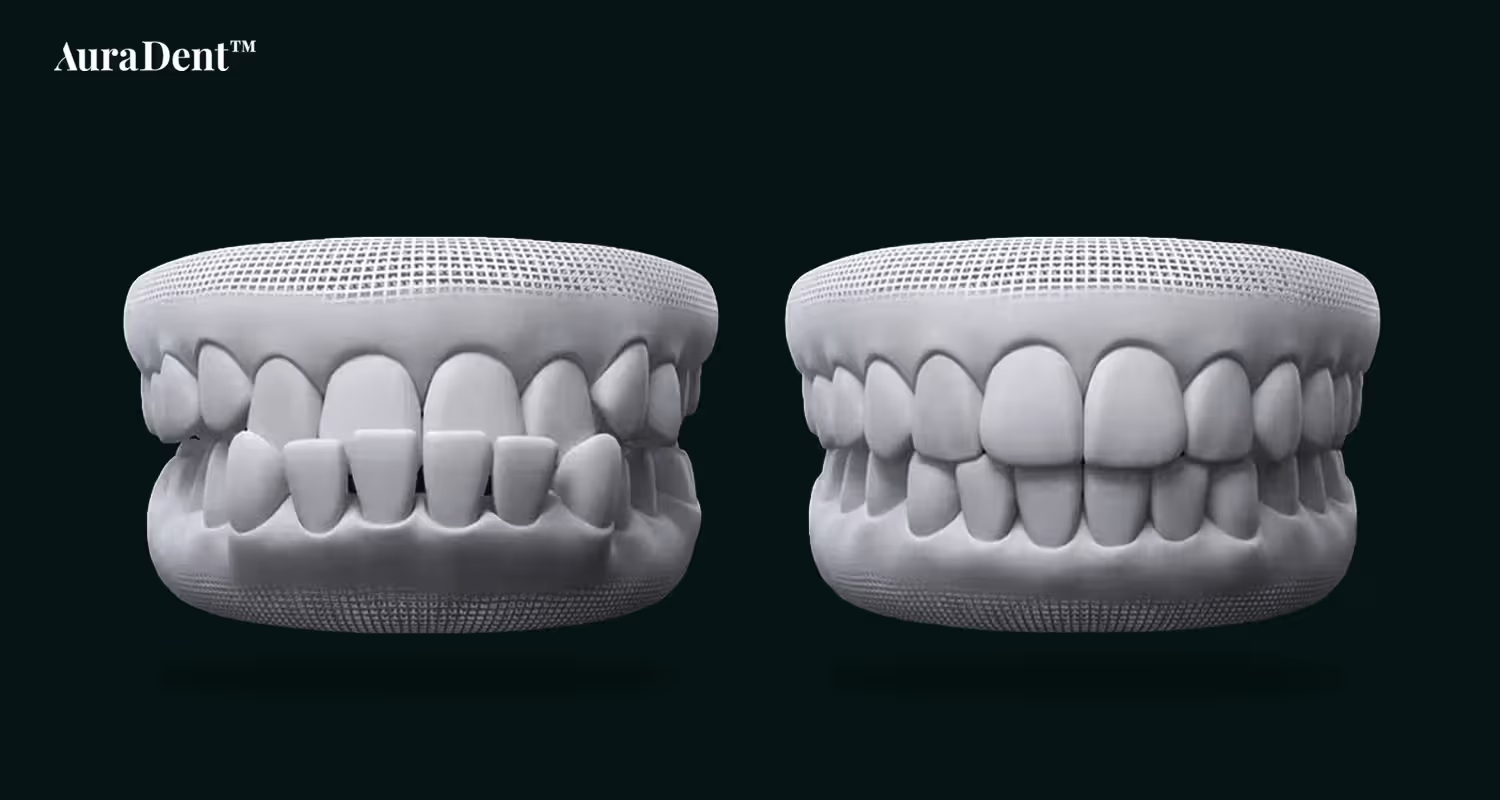
A crossbite means that certain teeth in the upper jaw bite on the inside of the lower teeth. It can affect one or both sides of the mouth and cause uneven jaw development or wear on the teeth. Early treatment with Invisalign or fixed braces provides the best results.
Feel free to read more in our guide on crossbite, where we describe treatment methods for both children and adults.
Open Bite
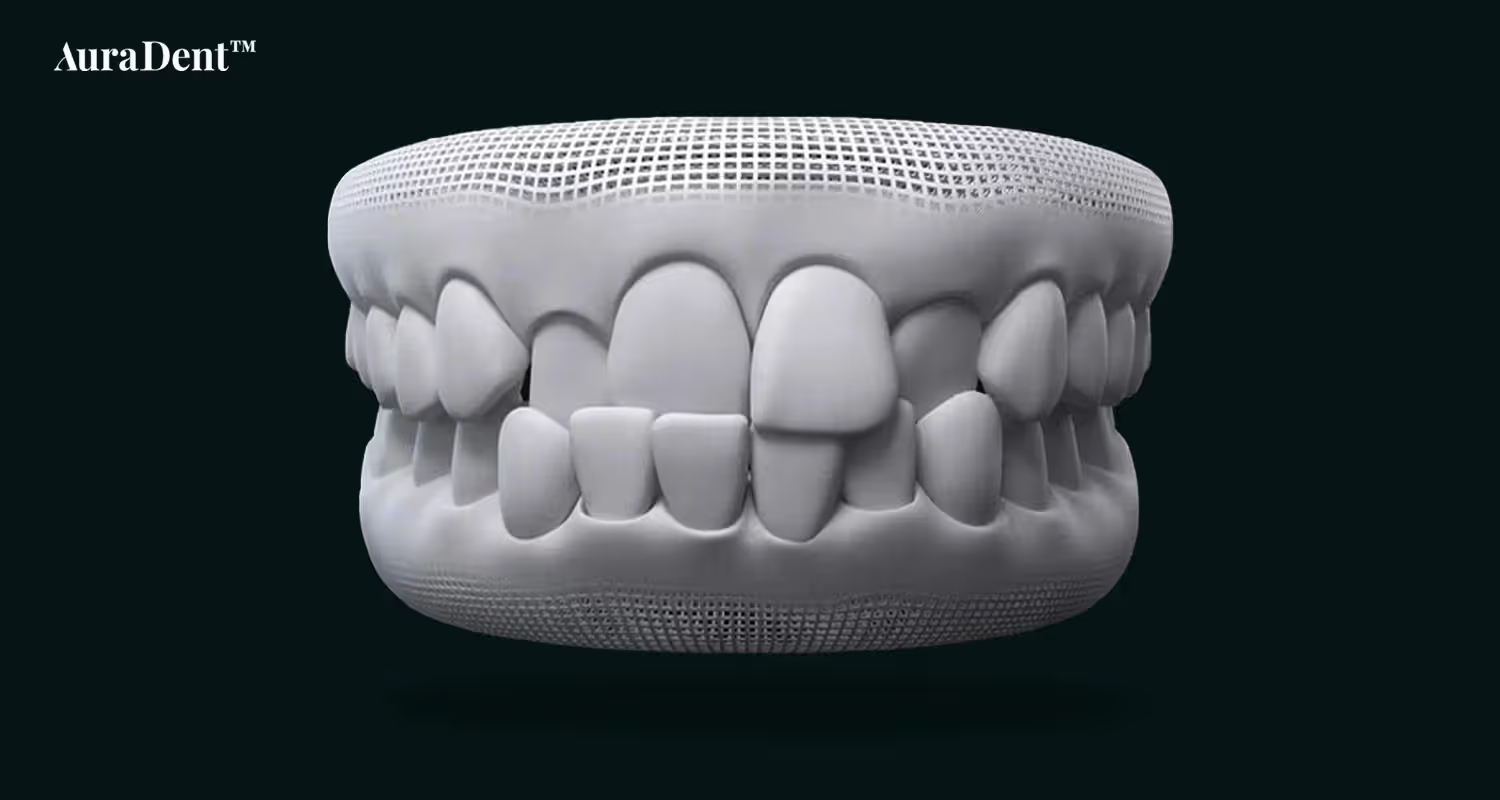
An open bite occurs when the front teeth do not meet when biting down, making it difficult to bite into food and potentially affecting speech. Causes can include thumb sucking, tongue thrusting, or hereditary factors. Invisalign or combined orthodontic and myofunctional therapy is often used to correct this.
Bite Problems in Adults
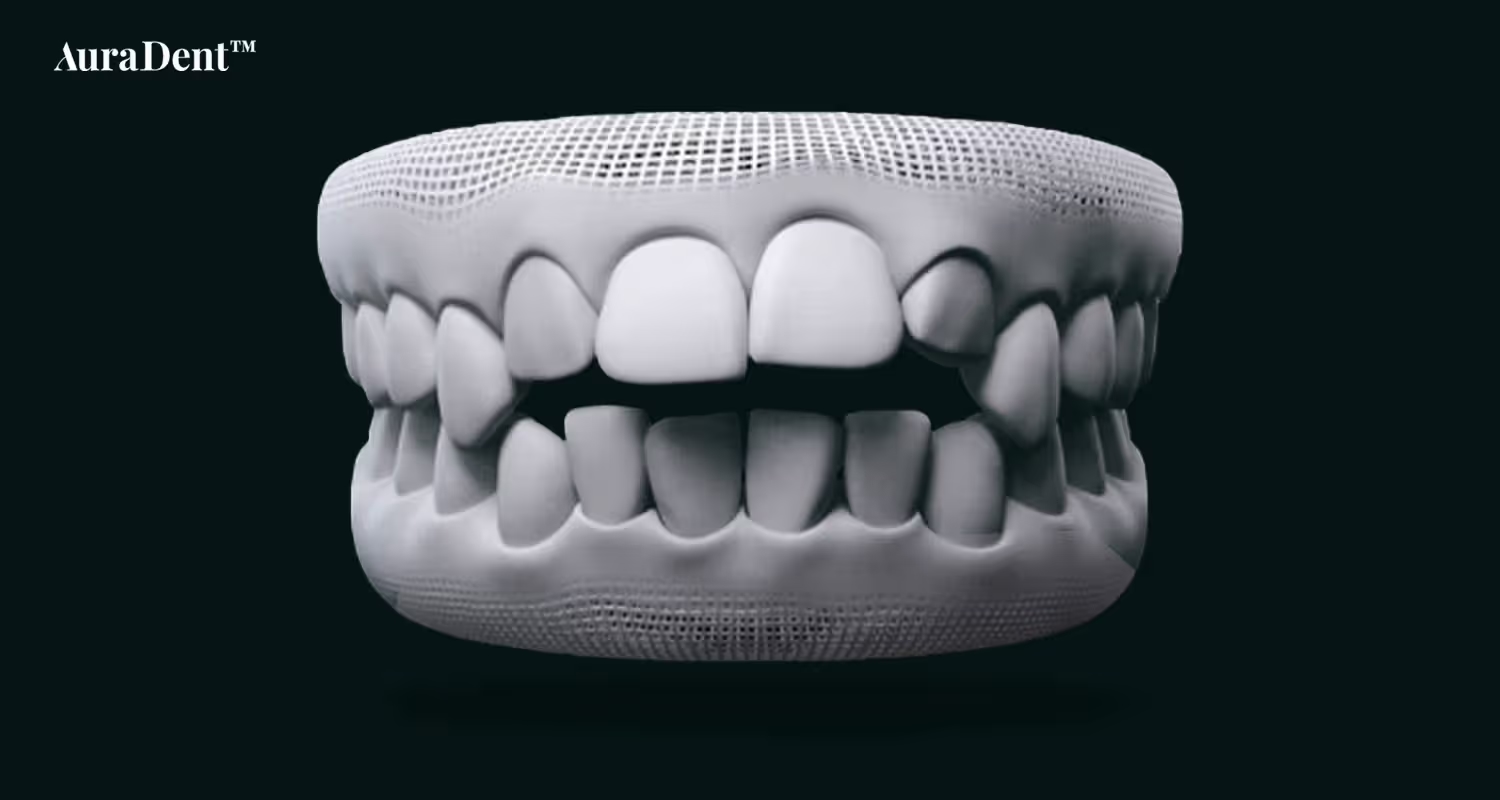
It is a common misconception that bite problems can only be corrected at a young age. In reality, today's innovative solutions for bite problems are also adapted for adult patients. Invisalign, lingual braces, and orthognathic surgery make it possible to correct the bite discreetly and effectively, even in adulthood.
AuraDent offers a free consultation where our specialists can assess which treatment method best suits your needs and lifestyle.
Traditional and Modern Solutions for Bite Problems
When it comes to treating bite irregularities, both classic and modern methods exist. Today, these are often combined to achieve the best possible results.
Traditional Solutions
- Braces (fixed appliances): The classic method where metal brackets are attached to the teeth and adjusted with wires. Effective for correcting complex cases but can be perceived as less aesthetically pleasing.
- Retainers: Used after completed treatment to keep the teeth in place. Can be fixed or removable depending on the need.
- Removable braces: Common in children and adolescents, especially for growth-related problems. They help guide the jaw into the correct position during development.
Innovative Solutions for Bite Problems
Technological advancements have revolutionized orthodontics and created new pathways for treating bite irregularities with comfort and precision. The most popular options are:
Invisalign
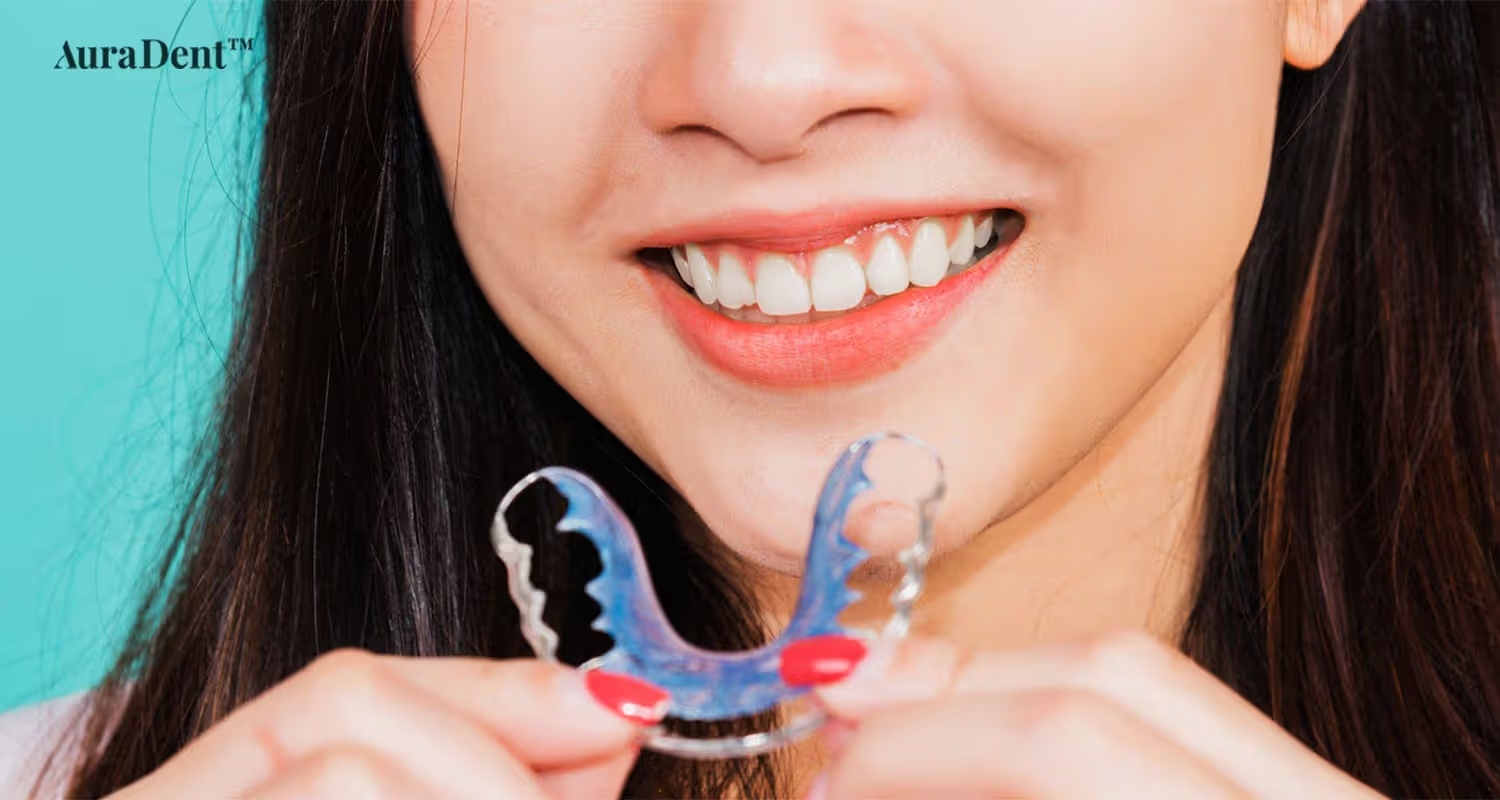
Invisalign is an advanced treatment using clear aligners that discreetly move the teeth into the correct position. They are removable, nearly invisible, and require fewer clinic visits than traditional braces.
Each aligner is worn for about two weeks before being replaced. This method provides an aesthetically pleasing result and is particularly popular among adults who want to correct their bite without metal brackets.
Lingual Braces
This type of braces is placed on the inside of the teeth, making it completely invisible from the outside. It works the same way as traditional fixed braces but is more discreet and therefore well-suited for working adults.
Orthognathic Surgery
For severe bite problems that cannot be resolved with orthodontics alone, orthognathic surgery is sometimes required. During this procedure, the jaws are moved into a better position, improving both function and appearance. It is often combined with orthodontic treatment for the best results.
How Much Does Treatment for Bite Problems Cost?
The cost of treatment varies depending on the method, severity, and individual needs. Below is an overview of common options and their price ranges.
| Treatment | Price Range (AED) | Comments |
|---|---|---|
| Invisalign | 15,200 – 28,500 | Adjusted based on complexity and treatment time |
| Orthognathic surgery | Contact clinic | Partially covered by insurance for medical indications |
| Traditional braces | 11,400 – 22,800 | Price depends on material and treatment length |
For an exact price, an individual consultation is recommended, where the dentist assesses your case and creates a tailored treatment plan.
Conclusion
With today's innovative solutions for bite problems, effective treatments exist for every need, from mild aesthetic adjustments to advanced jaw corrections. Whether you choose Invisalign, lingual braces, or surgical treatment, you can expect both functional and aesthetic improvements.
FAQs