- General Dentistry
Overbite: What It Means, Who Can Be Affected, and How Orthodontic Treatment Can Help

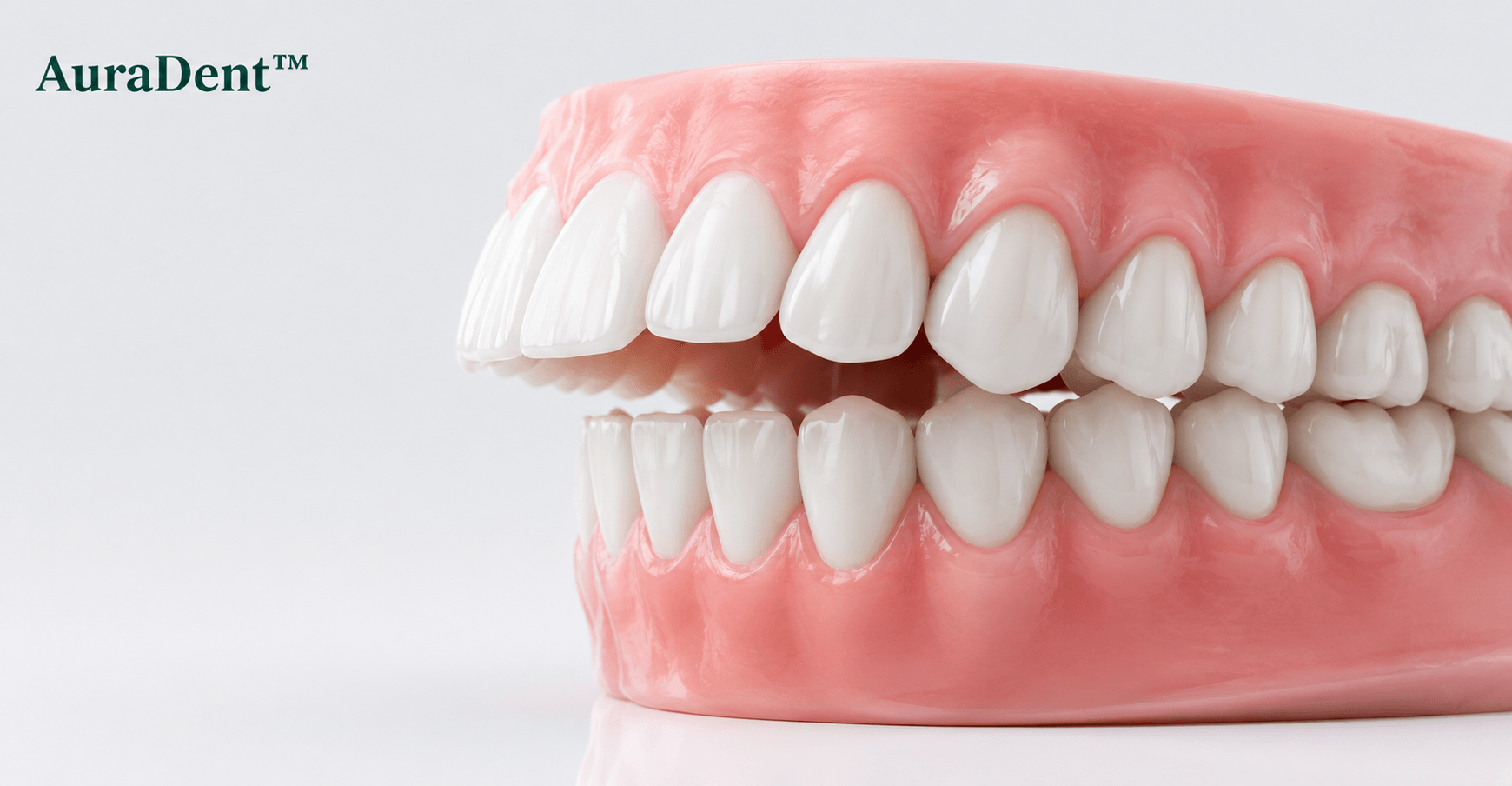
An overbite is a common malocclusion that can affect both oral health and appearance. Although many people have some degree of overbite, it is important to understand when this can become a problem and how it can be treated. This text aims to provide a deeper understanding of what an overbite is, what causes it, and how modern orthodontic methods can be used to correct the condition.
What is an overbite?
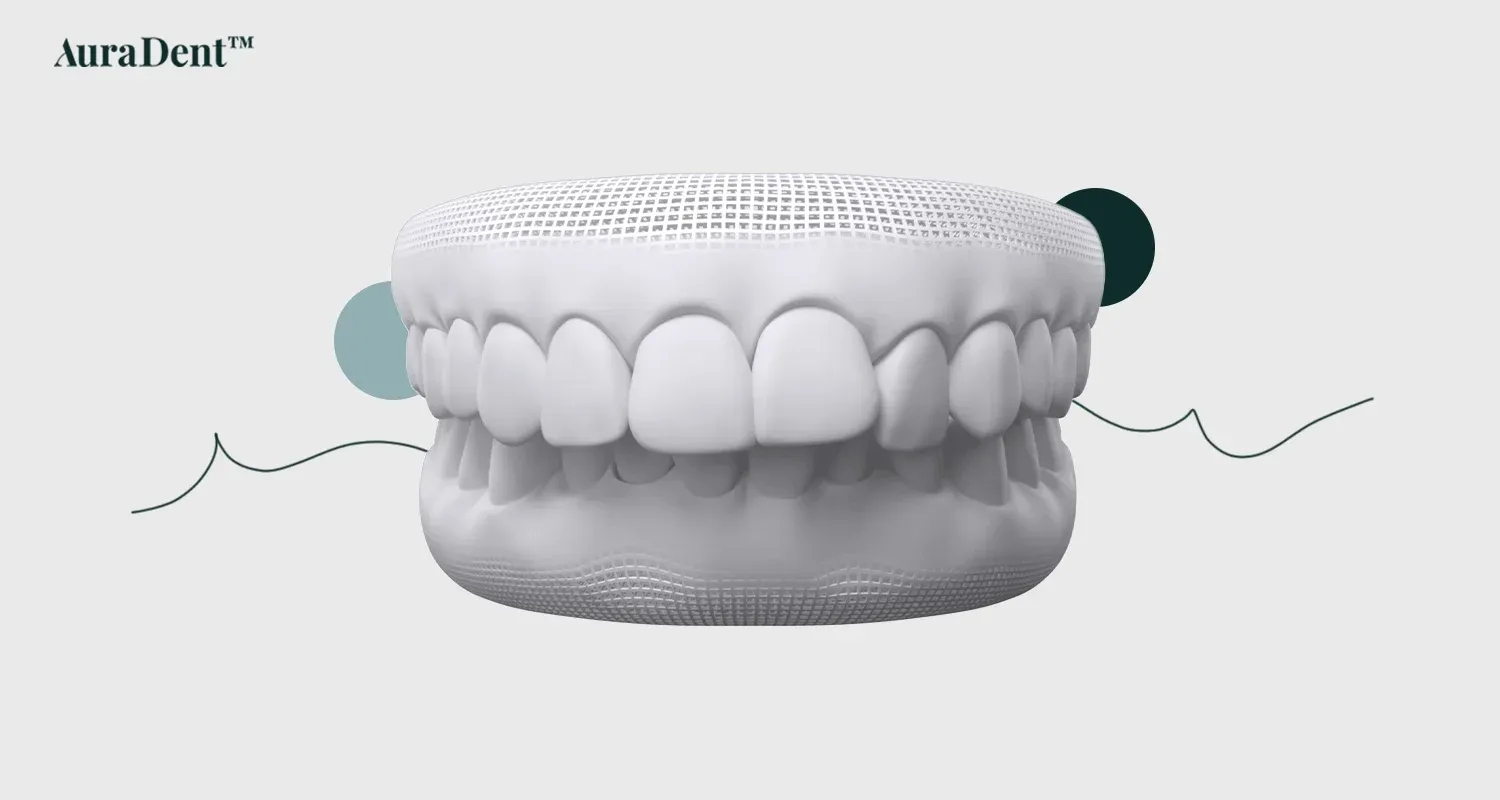
An overbite occurs when the upper front teeth protrude beyond the lower front teeth to a greater extent than is considered normal. A slight overbite of about 2 to 3 millimeters is common and functional. When the overbite exceeds approximately 4 millimeters, it can lead to various problems.
Common symptoms of a severe overbite may include:
- Difficulty chewing or biting into food effectively
- A more prominent smile, which can affect self-esteem and social relationships
- Increased risk of injury to the front teeth in the event of a fall or external impact
- Tension and pain in the jaws, temporomandibular joints, and surrounding muscles
A common question among patients is how severe an overbite must be to qualify for braces. Generally, treatment is recommended when the overbite is around 4–6 mm or more, but the exact need is always determined on an individual basis by a specialist.
Why does an overbite develop, and who is affected?
An overbite can develop at any age, from early childhood through adulthood. The most common underlying causes are as follows:
Genetic factors and heredity
An overbite is often hereditary. Children whose parents have a pronounced overbite are more likely to develop the same bite abnormality themselves.
Childhood habits
Habits such as prolonged use of a pacifier or thumb-sucking after the age of three can affect jaw growth and thus contribute to the development of an overbite.
Imbalanced jaw development
In some cases, the upper jaw grows faster than the lower jaw. This causes the upper front teeth to protrude more than normal.
The Importance of Early Treatment in Children and Adolescents
Early intervention is important because the jaws are still developing. If an overbite is not treated at a young age, it can negatively affect further jaw development and lead to more complicated conditions later in life.
Many parents wonder if braces are free for children. In Sweden, treatment for clear malocclusions, including overbites, is free of charge until the year a person turns 23. This allows for early correction without financial barriers.
Overbite in Adults: Treatment Is Still Possible
Adults with an overbite may experience problems such as increased tooth wear, jaw joint pain, recurring headaches, and low self-esteem. Despite this, it is often possible to achieve excellent results with modern orthodontic treatment, such as Invisalign.
Here’s how you can check for an overbite on your own
The following questions can help you identify a possible overbite:
- Is it difficult to bite into or chew your food?
- Do your upper front teeth clearly protrude beyond your lower front teeth when your mouth is closed?
- Do you experience pain or fatigue in your jaws after meals?
If the answer is yes to any of these questions, it may be advisable to schedule a professional evaluation with a dentist or orthodontist.
What should you say to get braces?
A common question among patients is what to say to get braces. The answer is simple: patients should clearly explain the problems they are experiencing with their bite, difficulty chewing, aesthetic concerns, or jaw pain during their consultation with the dentist. By clearly describing their symptoms, the specialist can determine the need for braces and suggest the right solution.
The Role of Orthodontics in the Treatment of Overbites
Orthodontic treatment involves gradually and gently moving the teeth into an optimal position. Many patients ask how braces work, and the answer is that braces, regardless of type, apply gentle, constant pressure to the teeth, causing them to gradually move into the desired position.
Two main types of braces are typically used to treat an overbite:
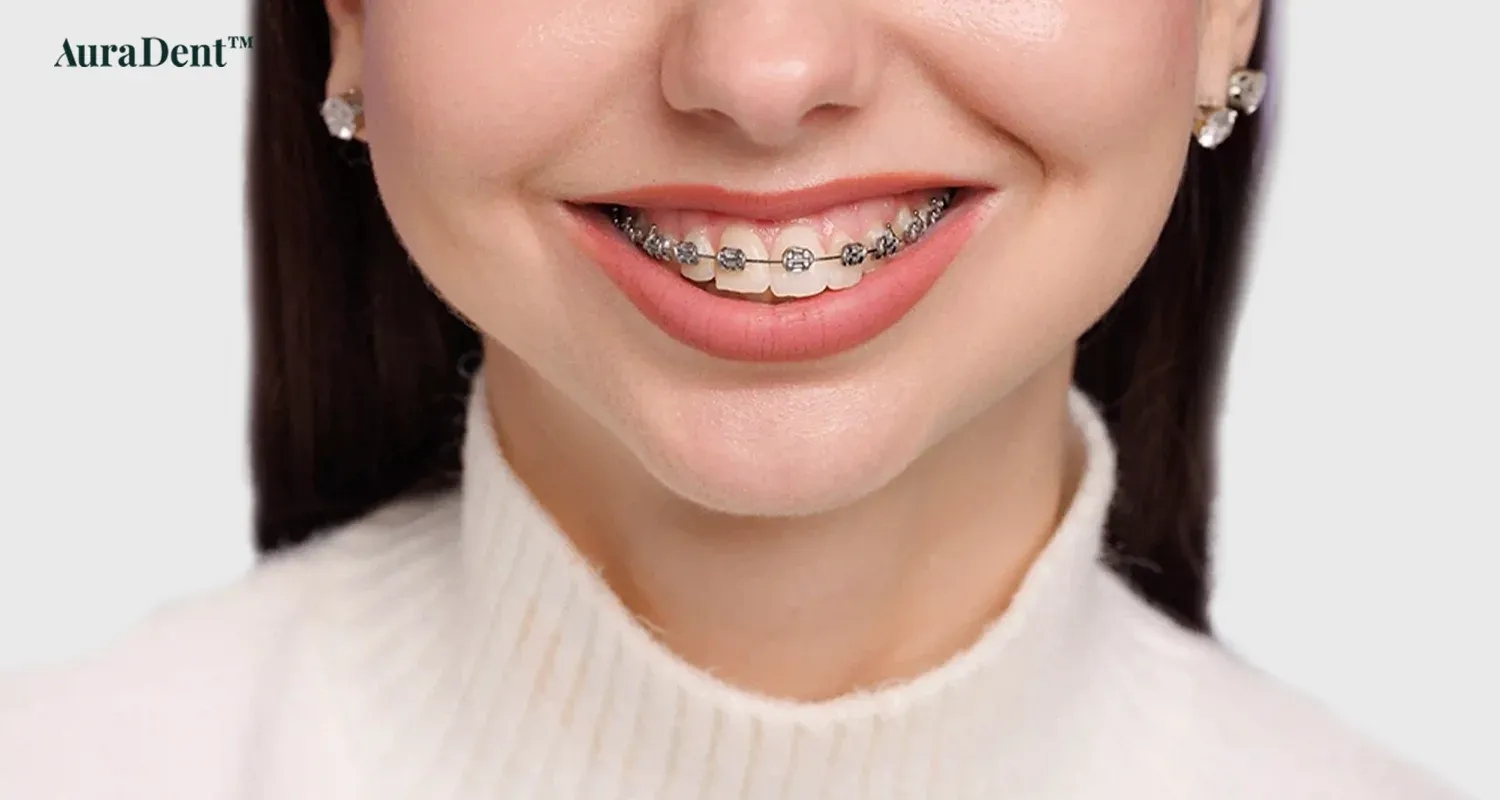
- Traditional braces: Highly effective for severe overbites or complex cases.
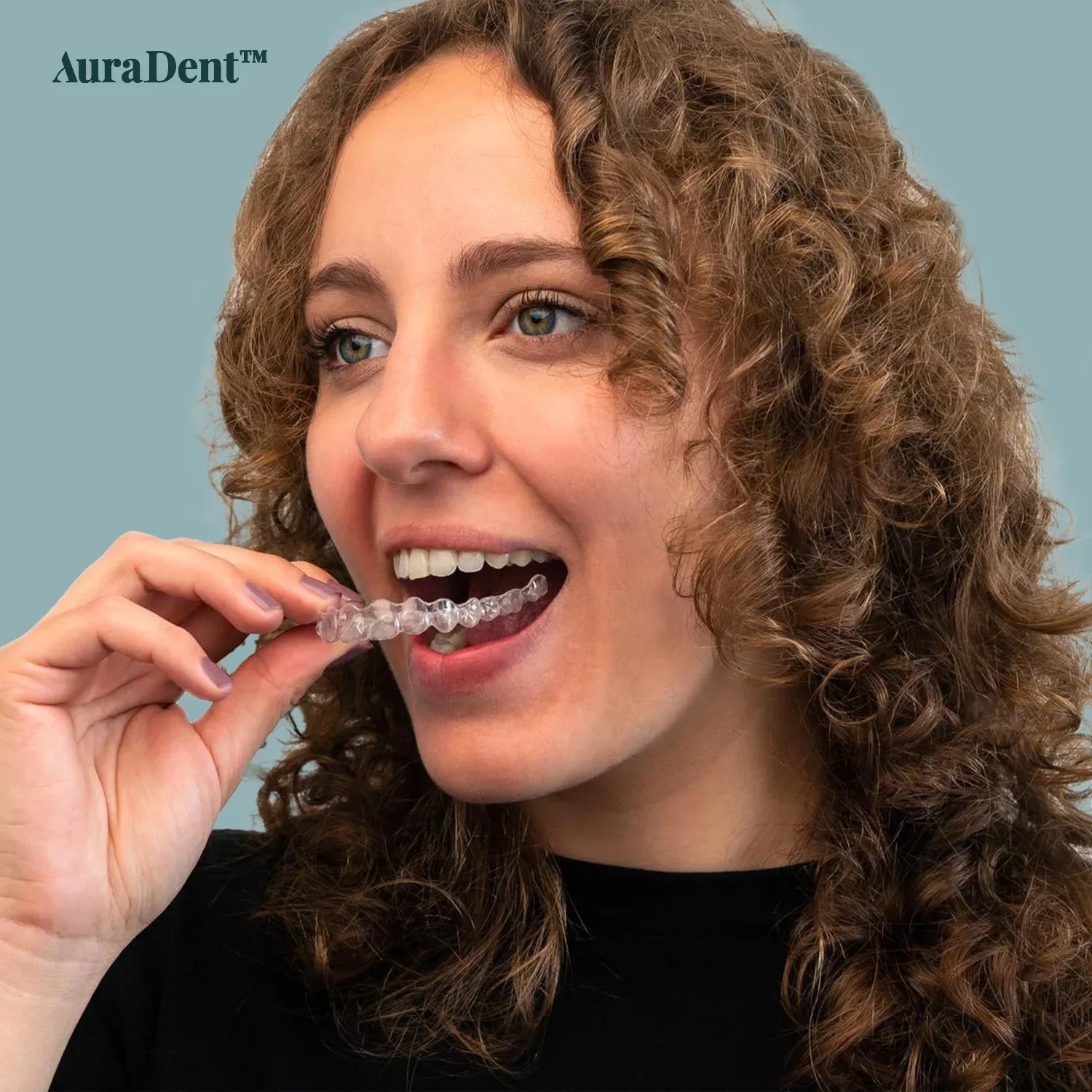
- Invisalign (clear aligners): Transparent, removable aligners that are particularly well-suited for adults and teenagers due to their discreet and comfortable design.
Another common question is how long braces take to wear. Invisalign treatment typically lasts between 6 and 18 months, depending on individual circumstances.
- Invisalign: Results That Confirm the Method’s Effectiveness: Many patients appreciate Invisalign for its discreet design and high level of comfort. Before-and-after photos from previous treatments clearly show how effective the results can be and how quickly visible improvements are often achieved.
- Summary, why treatment is important: A pronounced overbite is not just a matter of aesthetics. It can have significant consequences for both oral health and quality of life. With the help of modern orthodontic treatment, especially with clear aligners like Invisalign, both adults and adolescents can be treated effectively and achieve excellent results.
Summary
Individuals who suspect that they or their children have an overbite should schedule a consultation with an orthodontist for an individual assessment and advice. Many clinics offer a free initial consultation, making it easy to take the first step toward improved oral health and a more harmonious smile.
To achieve the best possible results and an improved quality of life, it is recommended that treatment begin well in advance. Early contact with the clinic allows for a thorough assessment and planning of an appropriate treatment strategy.
FAQs
Dr. Panteha Bigdeli
Related Posts

.webp&w=3840&q=100)
-1.webp&w=3840&q=100)