
- General Dentistry
- Dental Hygiene
Dental Care for Seniors: A Guide to Oral Health and Safe Care
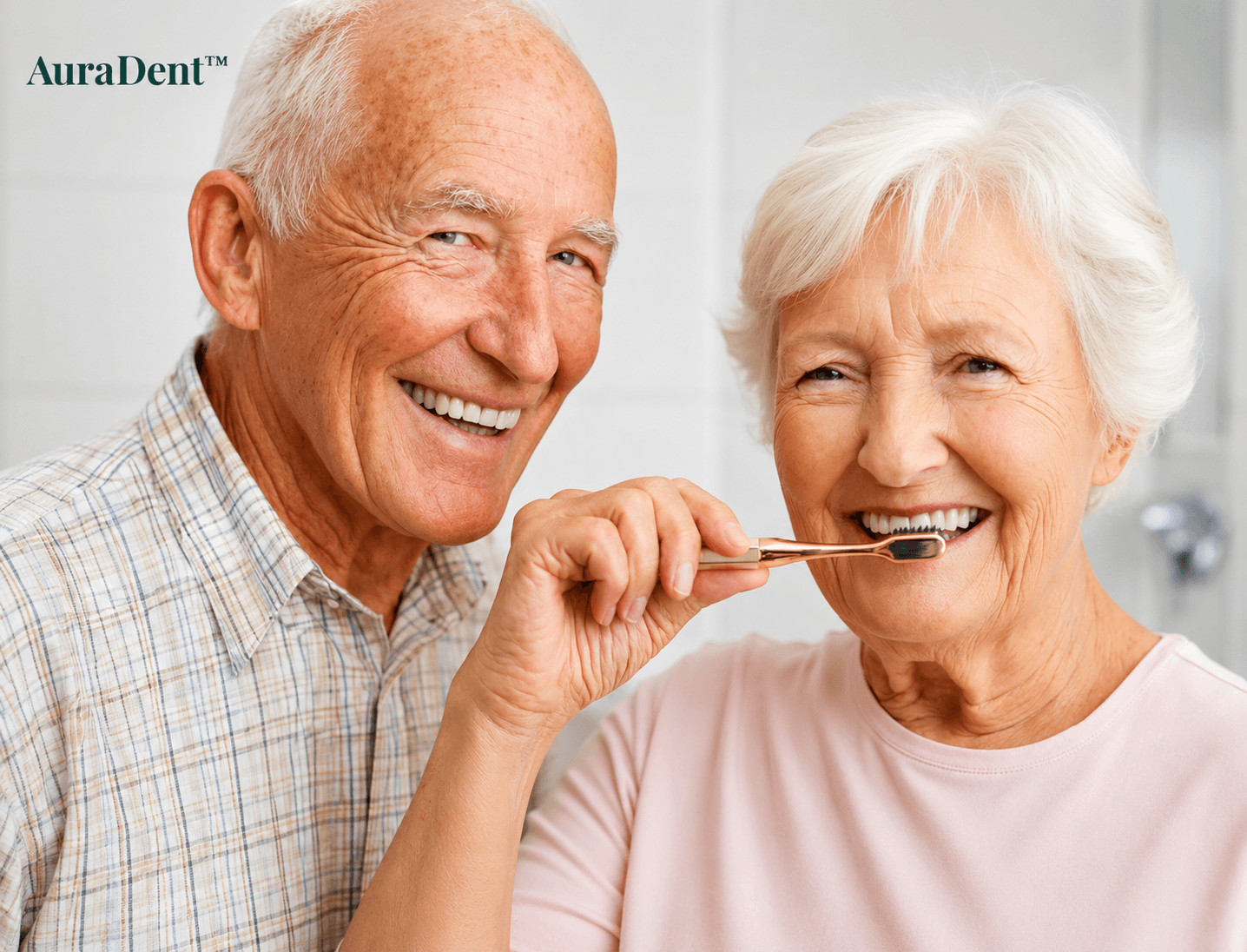
Maintaining a healthy smile becomes more important the older we get. Oral health affects not only the ability to eat and speak, but also self-esteem, social confidence, and overall health. This guide explains how dental care for the elderly works, common challenges, and how you can prevent problems through proper routines and regular visits to the dentist.
Key Points in Brief
- Dental care for the elderly is about preserving both chewing function and quality of life.
- Dry mouth, tooth decay, and gum disease are common problems among the elderly.
- Good oral hygiene and regular check-ups are crucial for preventing complications.
- AuraDent offers safe and modern dental care with a focus on seniors' needs.
Why Dental Care for the Elderly Is So Important
As we age, teeth, gums, and oral mucosa are affected by natural changes in the body. Reduced saliva production, medications, and impaired motor skills can make oral hygiene more difficult. Therefore, it is important to prioritize preventive dental care, as minor issues can otherwise develop into painful and costly conditions.
A healthy smile improves quality of life, self-confidence, and the ability to enjoy food and social moments without discomfort.
Common Dental Problems in the Elderly
By taking care of your oral health early, you can preserve both your smile and your quality of life. Small daily changes, such as regular check-ups and proper dental care routines, make a big difference in how your teeth and gums fare as the years go by.
Tooth Decay in Elderly Persons
With age, the risk of tooth decay increases, especially with dry mouth. When saliva production decreases, the mouth loses its natural protective function, making it easier for bacteria to cause cavities. Regular check-ups and fluoride treatments are crucial for counteracting this.
Gum Disease (Periodontitis)
Gum inflammation is one of the most common causes of tooth loss in the elderly. If gum inflammation is not treated, the infection can spread to the tooth's supporting tissues. Good oral hygiene, thorough cleaning, and professional dental care significantly reduce the risk.
Dry Mouth (Xerostomia)
Many elderly people experience dry mouth as a side effect of medications. This increases the risk of tooth decay, fungal infections, and difficulty chewing or speaking. Chew sugar-free gum, drink water often, and use saliva substitutes if needed.
Do you want to learn more about how dry mouth affects dental health? Read our article "Chronic Bad Breath: Causes, Treatment" and discover how saliva balance affects overall oral health.
Tooth Wear and Sensitivity
Years of chewing and grinding can make teeth sensitive. A soft toothbrush, mild toothpaste, and regular check-ups help preserve the enamel.
Oral Cancer
The risk of oral cancer increases with age, especially in people who smoke or use tobacco. Regular dental visits are important for detecting early changes in the oral mucosa.
Preventive Dental Care for the Elderly
Preventing dental problems is about more than just brushing your teeth. It is about creating daily routines that strengthen teeth, gums, and overall oral health. With the right habits, you can keep your smile healthy well into old age.
Daily Oral Hygiene
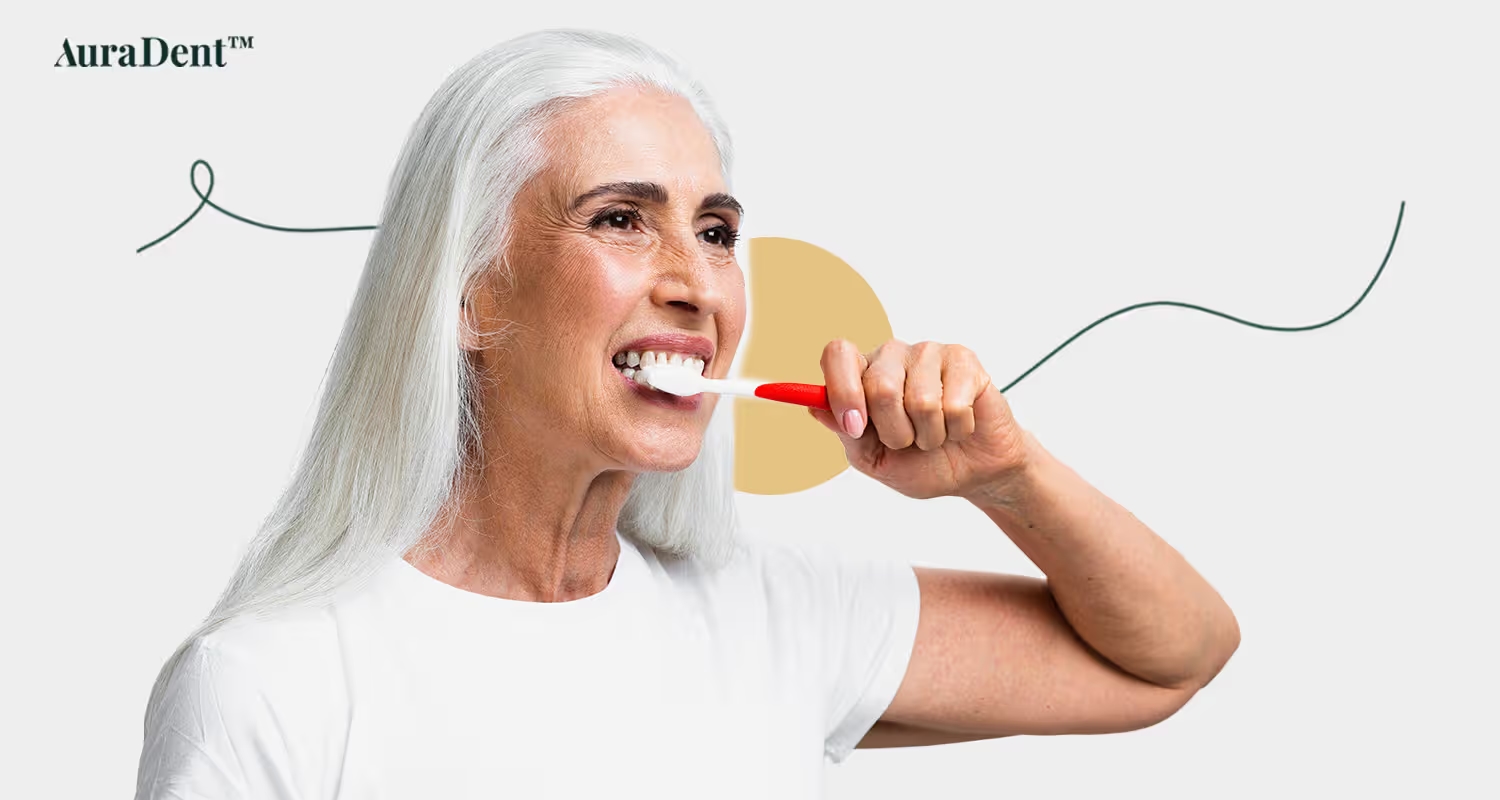
- Brush your teeth twice daily with fluoride toothpaste.
- Use dental floss or interdental brushes to remove plaque.
- Rinse with a fluoride rinse to strengthen enamel and reduce bacteria.
Diet and Nutrition
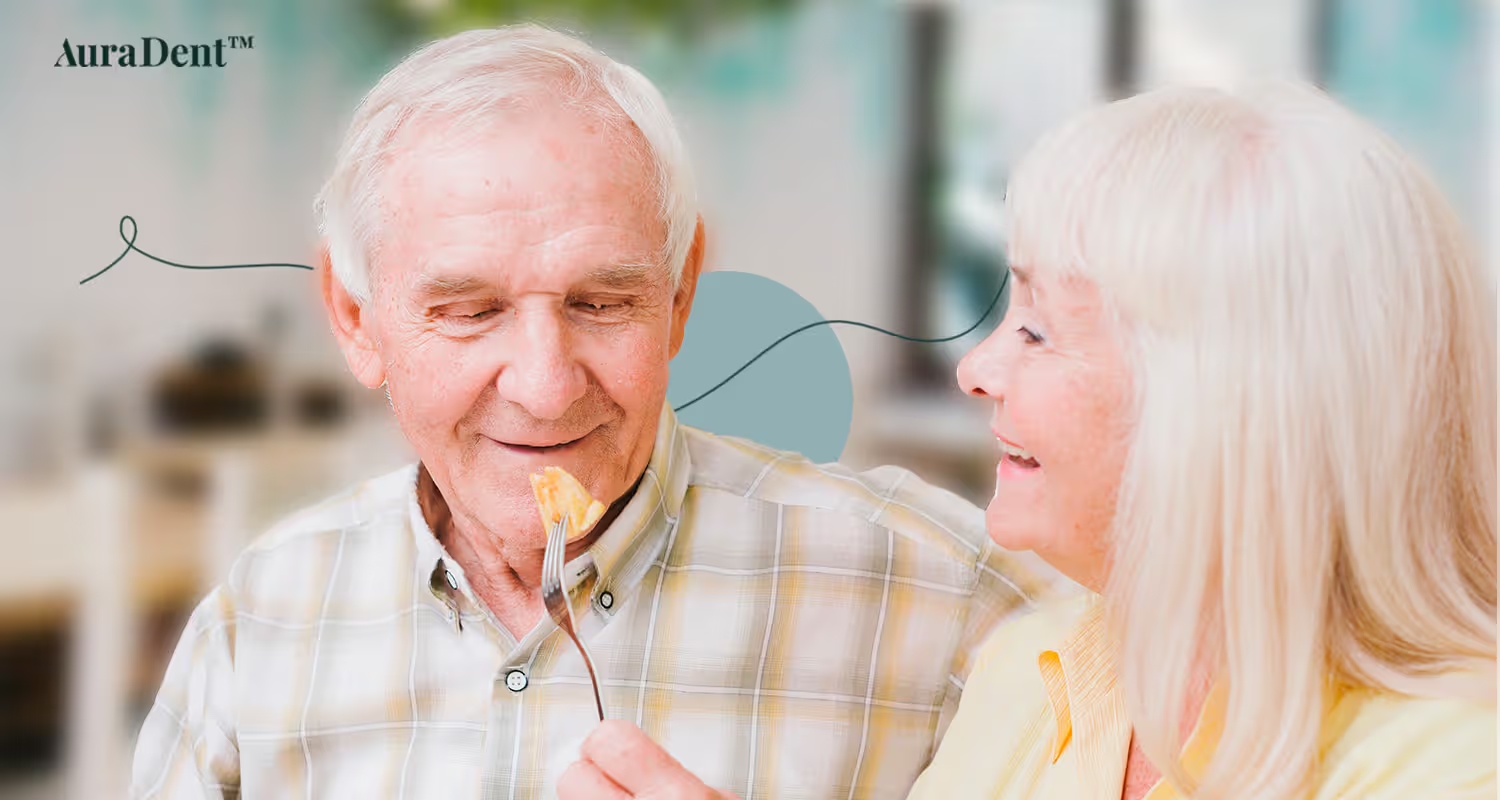
Eat a varied diet with plenty of fruits, vegetables, and dairy products. Avoid sugary and acidic foods that damage enamel.
Regular Dental Visits
A check-up every six to twelve months helps detect problems early. At AuraDent™, digital technology such as the iTero 5D scanner is used to create detailed images without uncomfortable impressions.
Read more: Guide to the iTero 5D Scanner at AuraDent, discover how modern scanning makes dental care more comfortable and accurate.
Dental Care for the Elderly with Special Needs
Elderly persons may have special needs that require adapted dental care. With the right support and assistive devices, treatment becomes safer and more comfortable.
Medical Conditions
People with diabetes, cardiovascular disease, or osteoporosis need special attention because these conditions can affect oral health.
Limited Mobility
For the elderly with reduced hand strength, there are electric toothbrushes and flossing aids. Some clinics, such as AuraDent™, offer flexible appointment times and adapted equipment for seniors with special needs.
Financial Support for Dental Care for the Elderly
Dental care can be costly, but in Sweden several types of support are available:
- General dental care subsidy (ATB): Paid out annually and can be used for examinations.
- High-cost protection: Applies to major treatments and significantly reduces expenses.
- Private insurance: Some insurance companies offer additional coverage for dental care costs.
AuraDent's team helps you understand what support you are entitled to and how best to utilize it.
Conclusion
Dental care for the elderly is the key to a long, comfortable, and healthy life. Healthy teeth affect not only chewing ability but also self-esteem and quality of life. Through regular visits, good oral hygiene routines, and preventive care, you can avoid pain, infections, and costly treatments later on.
AuraDent™ offers safe, modern, and accessible dental care that is adapted to the needs of seniors. Our experienced dentists use the latest technology to ensure a comfortable and effective treatment.
Book your free consultation today and let our team help you preserve your smile and your health for many years to come.
FAQs