
- General Dentistry
Dental Implant Infection: Prevention and Treatment for Good Oral Health

Key points in brief
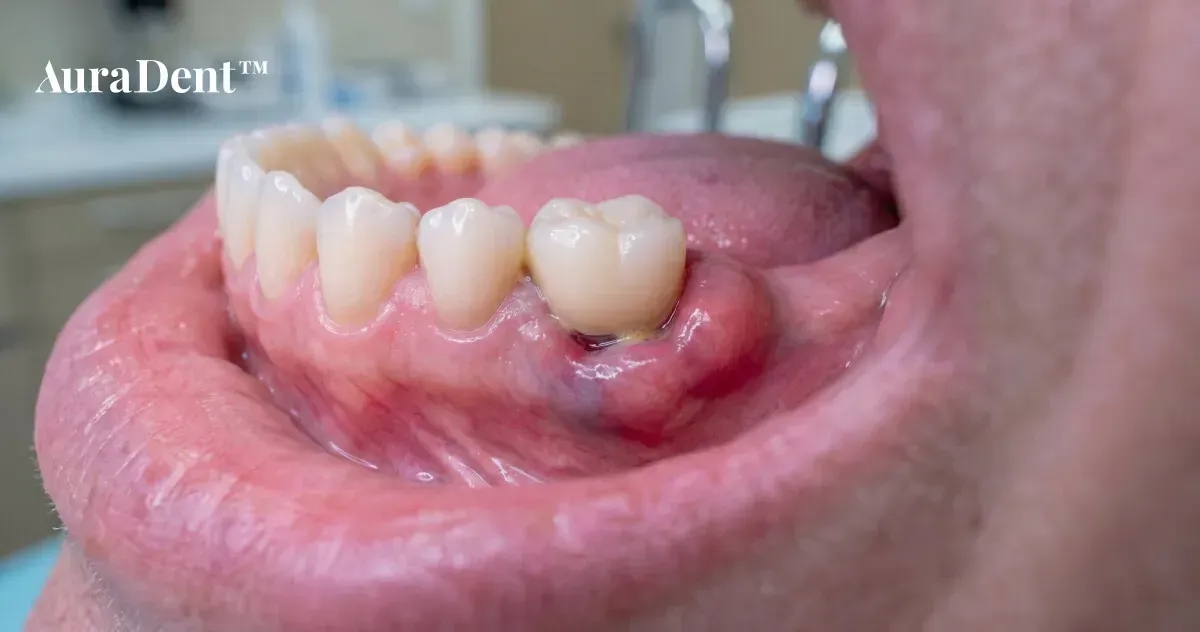
- Peri-implantitis is an infection that occurs in the tissue or bone around a dental implant.
- Early signs include swelling, redness, bleeding, or pain around the implant.
- Infections can cause bone loss and lead to the implant becoming loose if left untreated.
- Regular check-ups and good oral hygiene are crucial for preventing problems.
- Always seek care if you suspect symptoms to save your implant in time.
What is a dental implant infection (Peri-implantitis)?
A dental implant infection, or peri-implantitis, is an inflammation of the tissue and bone around an implant. It often begins as a mild irritation called peri-mucositis, which can be reversed if treated early. If the infection spreads to the bone, however, it can become more serious and lead to bone loss around the implant.
When bacteria attach to the implant surface, a biofilm forms that is difficult to remove. This can cause both dental implant inflammation and pain, and in the worst case, lead to the implant no longer being stable.
Common symptoms of infection around dental implants
Detecting an infection early can save your implant. Be aware of the following signs:
- Swelling and redness around the implant
- Tenderness or dental implant pain when touching or chewing
- Bleeding when you brush your teeth
- Bad taste or odor from the area
- Fever or a general feeling of being unwell
- In severe cases: mobility or loosening of the implant
If you experience any of these symptoms, you should book an appointment with a dentist immediately. At AuraDent, we offer professional examinations to quickly diagnose and treat infections around dental implants.
Why do dental implant infections occur?
A dental implant infection is often caused by bacteria that penetrate between the implant and the gum. When the bacteria are not removed in time, they can lead to peri-implantitis.
Here are the most common causes:
- Inadequate oral hygiene: Plaque and bacteria build up around the implant.
- Smoking: Impairs blood circulation and inhibits healing.
- Diabetes or weakened immune system: Makes the body more susceptible to infection.
- Quality of the implant: Cheaper or low-quality implants can increase the risk of complications.
- Incorrect placement: Poor fit can irritate the gum and create a breeding ground for bacteria.
To prevent dental implant infections, it is important to choose an experienced dentist who works with high-quality materials and modern technology.
Read our guide on alcohol after dental implants and discover how even small amounts can affect healing, results, and the longevity of the implant.

Treatment of infection around dental implants
Infections around dental implants require prompt and careful treatment to avoid complications. By acting early, both the implant and the surrounding tissue can be saved before the damage becomes permanent. The treatment is always tailored to the extent of the infection and the patient's individual needs.
Early stages (Peri-mucositis)
If the infection is detected early, it can often be treated without surgery. The dentist thoroughly cleans the area, removes bacterial deposits, and provides you with advice on better oral hygiene. In some cases, antibacterial rinses or laser treatment are used to reduce the infection.
Advanced infection (Peri-implantitis)
In more serious cases of peri-implantitis, the dentist may need to perform a deeper treatment.
- Professional cleaning of the implant surface
- Antibiotic treatment to stop bacterial growth
- Surgical cleaning of infected tissue
- If necessary: bone grafting or implant replacement
At AuraDent, we use modern methods to restore the tissue and preserve the implant with minimal discomfort for the patient.
What happens if the infection is ignored?
Ignoring signs of infection around dental implants can have serious consequences. The infection can spread to the jawbone and cause bone loss, which in turn can lead to the implant becoming loose or having to be removed.
In rare cases, bacteria can spread to the bloodstream and cause serious complications.
Acting quickly is therefore crucial to protect both your oral health and your implant.
How to prevent infection around dental implants
Preventing dental implant infection is the best way to protect your investment and your smile. Here are the dentist's most important tips:
- Brush your teeth twice a day with a soft toothbrush.
- Use dental floss and interdental brushes around the implant.
- Avoid smoking, which impairs healing and increases the risk of infection.
- Visit the dentist regularly, at least every six months.
- Always follow the instructions after implant surgery carefully.
These habits will help you maintain good oral health and reduce the risk of new infections.
Read our guide on dental implant risks and complications and discover how to recognize early symptoms, avoid problems, and ensure long-lasting results.
Conclusion
A dental implant infection can feel worrying, but it is important to remember that it is entirely treatable if detected early. With the right care and follow-up, most patients can regain both function and aesthetics without complications. Regular check-ups, thorough cleaning, and professional dental care are the keys to long-term healthy implants and good oral health.
Ignoring early signs such as swelling, redness, bleeding, or dental implant pain, on the other hand, can lead to greater problems in the long run. By acting quickly, you can prevent the infection from spreading and preserve both the implant and the surrounding bone.
If you notice early symptoms, book an examination at AuraDent today. Our experienced team will help you with rapid diagnosis, effective treatment, and personalized follow-up so that you can feel confident with your smile.
FAQs