
- General Dentistry
Dental Implants: Everything you need to know about benefits, disadvantages, risks, and cost


Key points in brief
- The advantages and disadvantages of dental implants should always be carefully weighed before starting treatment.
- Dental implants replace missing teeth with a stable, functional, and natural solution.
- The treatment improves chewing ability, speech, and aesthetics, as well as preventing bone loss in the jaw.
- Risks such as infection, pain, and longer healing time may occur but are usually temporary.
- The cost of dental implants is an investment in long-term oral health and quality of life.
- An experienced dentist with good planning and follow-up increases the chances of a stable and lasting result.
What is a dental implant and how does it work?
A dental implant is an artificial root placed in the jawbone to replace a lost tooth root. The implant is usually made of titanium, a material that the body accepts well. After placement, the bone tissue grows firmly around the implant in a process called osseointegration. Once this is stable, a dental crown, bridge, or denture is attached on top of the implant to restore both function and appearance.
For many patients, treatment is not only about replacing missing teeth but also about regaining a natural and harmonious smile.
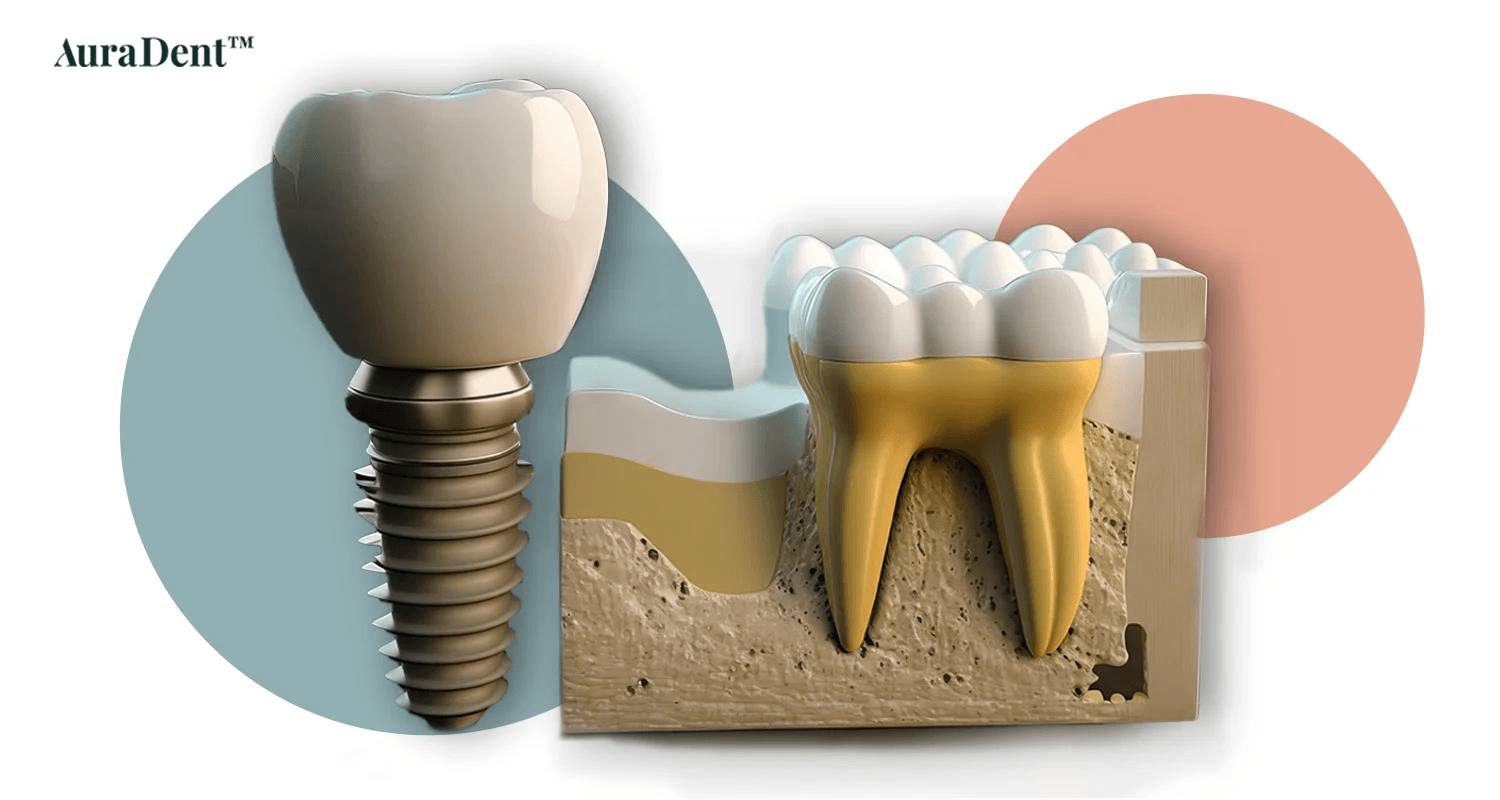
Advantages of dental implants: More than an aesthetic improvement
Dental implants have several documented benefits from both a medical and functional perspective.
- Natural appearance: Implants are designed to resemble natural teeth and blend into the tooth row.
- Improved function: The fixed construction makes it easier to chew and speak compared to removable dentures.
- Long lifespan: With good oral hygiene, dental implants can last for several decades.
- Prevents bone loss: Implants stimulate the jawbone and counteract the degradation that can otherwise occur after tooth loss.
- Protects adjacent teeth: The treatment does not require grinding down healthy neighboring teeth, unlike traditional bridges.
A properly performed implant can thus improve both oral function and the patient's quality of life for a long time.
Disadvantages and risks of dental implants
Despite their advantages, there are also certain limitations and risks that should be considered before treatment begins.
The cost: A significant investment
The price of dental implants varies depending on the number of implants, material choice, and any additional procedures such as bone grafting or sinus lift. The cost can amount to between 10,300 and 51,500 AED per implant. However, the Swedish Social Insurance Agency's high-cost protection covers part of the cost for larger treatments. It is important to see dental implants as a long-term investment in function, health, and aesthetics.
For an in-depth review of complications, you can read the article Dental Implant Risks and Complications: Symptoms and Solutions.
Treatment time: A process that requires patience
Implant treatment takes place in several stages, including examination, planning, surgical placement, healing, and final restoration. The entire process usually takes between three and six months but can in some cases take longer depending on bone quality and the body's healing ability.
During the healing phase, it is crucial to follow the dentist's instructions regarding diet, oral hygiene, and follow-up visits.
If you want to read more about how lifestyle factors affect healing, the article Alcohol after dental implants: How it affects healing and results is recommended.
Pain and discomfort: What you can expect
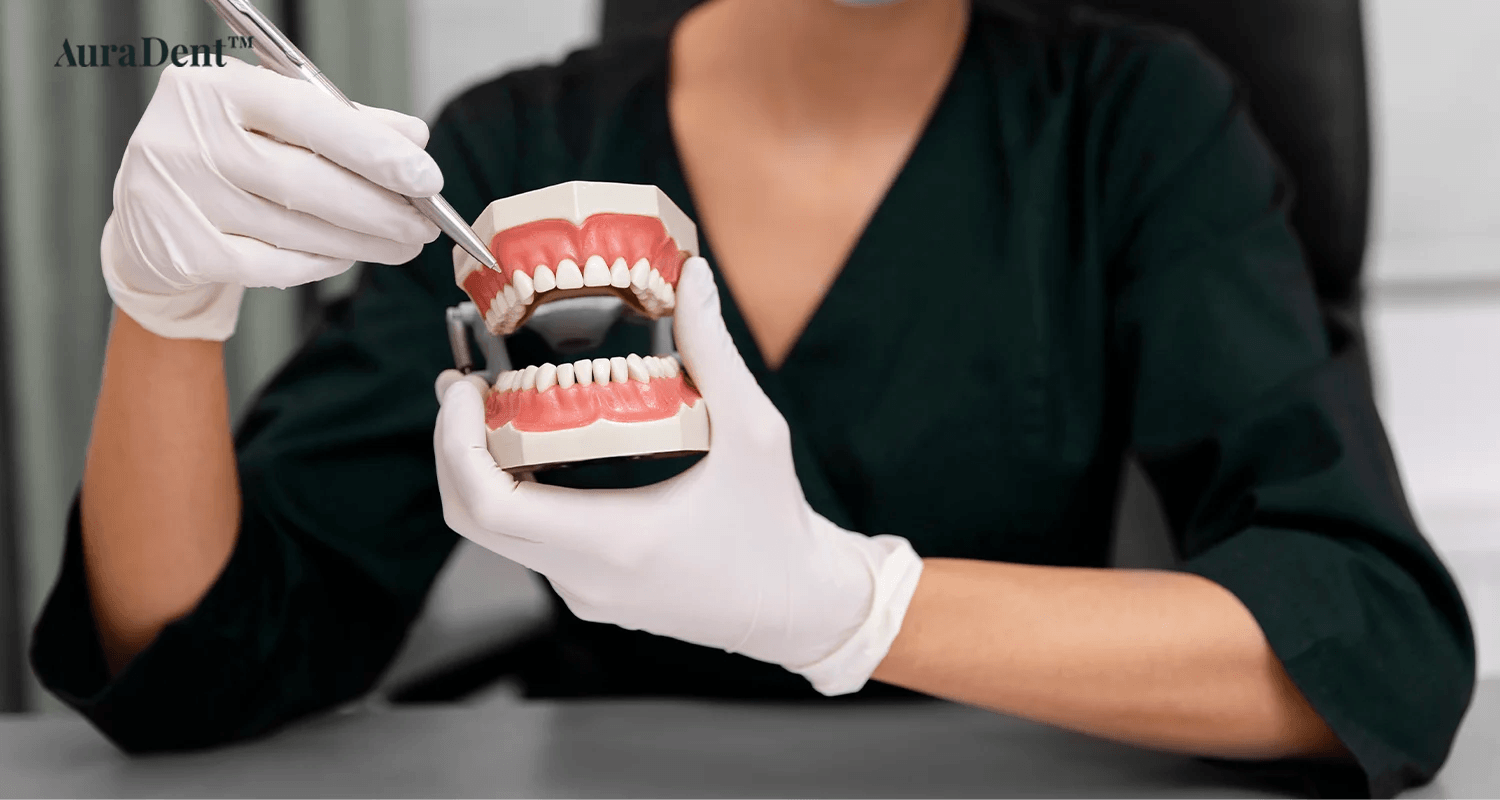
Implant surgery is performed under local anesthesia and is generally pain-free. After the procedure, some swelling, tenderness, or bruising may occur, but these discomforts are temporary and usually subside within a few days. Over-the-counter pain relievers are usually sufficient to alleviate the discomfort. Keeping the area clean and following the given aftercare advice reduces the risk of complications.
Possible complications
Although dental implants generally have a very high success rate, certain complications can arise. These include infection, nerve damage, peri-implantitis (inflammation in the tissue around the implant), or failure of the implant to integrate with the bone. Regular check-ups and good oral hygiene are the best protection against these problems.
Treatment process: From planning to finished tooth
- Consultation: A clinical and radiological assessment is performed to determine bone quality and treatment needs.
- Planning: Using digital 3D scanning, an individualized treatment plan is designed.
- Surgical placement: The implant is placed in the jawbone under local anesthesia.
- Healing phase: The bone grows firmly around the implant, which takes between 3 and 6 months.
- Crown placement: A permanent dental crown is attached to the implant to restore both function and aesthetics.
For advice on hygiene and aftercare, the article Dental Implant Aftercare: Your Complete Guide to Healing and Maintenance is recommended.

How long do dental implants last?
The lifespan of dental implants depends on several factors, including bone quality, the patient's general health, and the level of oral hygiene. With good care and regular check-ups, an implant can last for many years, often a lifetime. However, smoking, poor oral hygiene, and certain diseases can shorten its durability.
Conclusion
Weighing the advantages and disadvantages of dental implants is an individual process that should be done in consultation with an experienced dentist. The treatment involves a financial and time investment, but the results are often long-lasting and improve both function and aesthetics.
To determine whether implants are the right solution for you, book a free consultation at AuraDent™. Our dentists use advanced diagnostics and digital planning to create a safe and lasting result.
FAQs