
- General Dentistry
Everything About Dental Fillings: Treatment, Materials, Process, and Cost

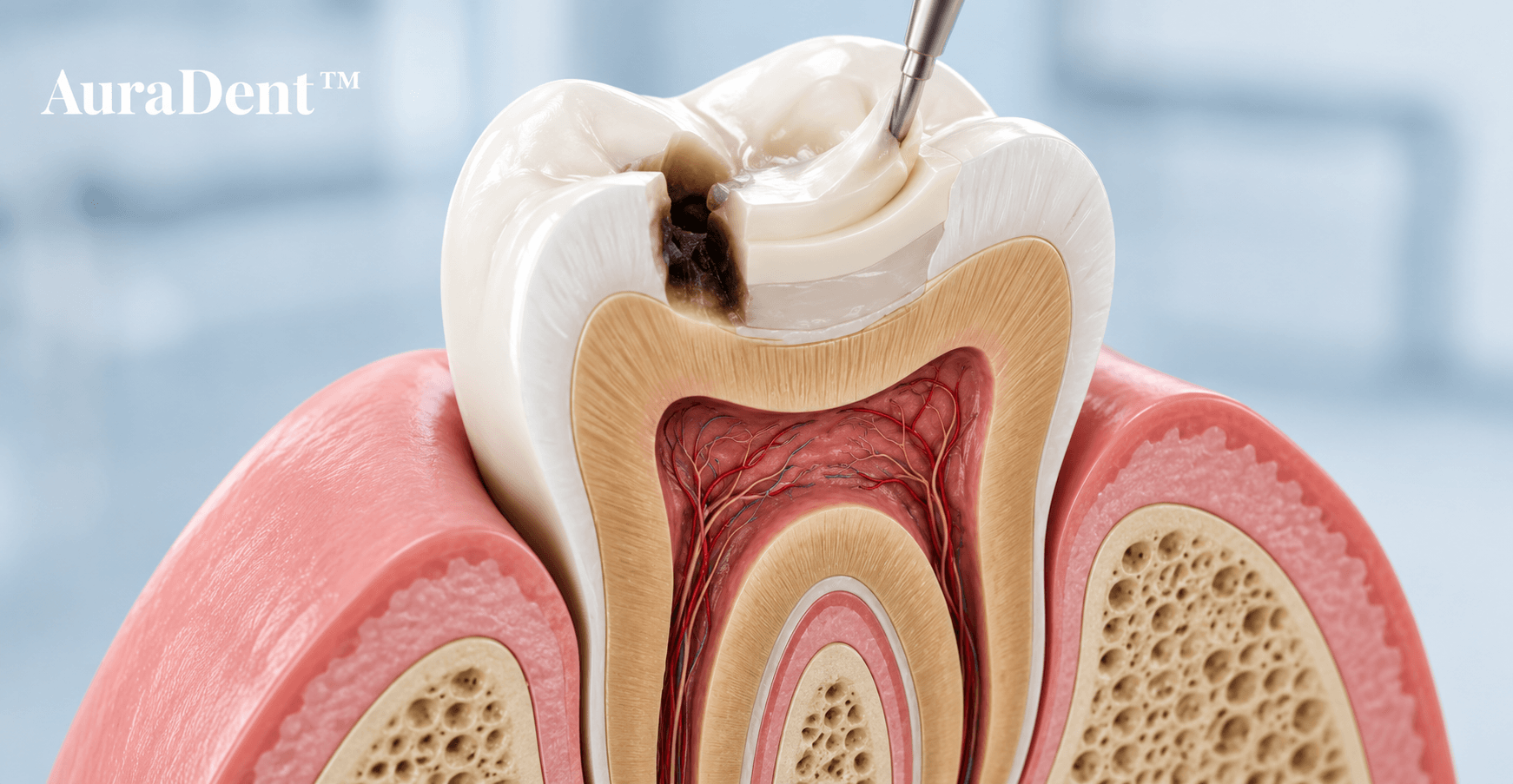
Feeling sensitivity or discovering a dark spot on a tooth can cause concern, but in many cases there is a simple and effective solution through dental filling treatment. This common procedure restores the tooth's shape and function while preventing decay from spreading and causing more damage. Thanks to modern technology and gentle methods, dental filling treatment today is a safe and painless procedure that both strengthens and improves your smile. In this guide, we go through everything about dental filling treatment – what it involves, when it is needed, how the process works, which materials are used, and what it costs.
Key Points in Brief
- Everything about dental filling treatment shows how a damaged or decayed tooth can be restored and protected from future damage.
- The treatment is completely painless thanks to modern local anesthesia and gentle methods.
- The most common materials in dental filling treatment are composite, ceramic, and glass ionomer, chosen based on need and aesthetics.
- The cost of a dental filling treatment varies depending on the material choice and the extent of the restoration.
- Good oral hygiene and regular dental check-ups are essential for the results of your dental filling treatment to last long and preserve the tooth's strength.
Everything About Dental Filling Treatment – What It Is and Why It Is Needed
Everything about dental filling treatment concerns how a damaged or decayed tooth can be restored to its natural shape and function. A dental filling treatment is a restorative procedure used to repair a tooth that has been affected by decay, fracture, or wear. By filling the affected area, the tooth's strength and shape are restored while the risk of infection and further breakdown is reduced.
The purpose of a dental filling treatment is to protect the tooth from further damage and preserve its natural function. Without treatment, even a small cavity can deepen and, in the worst case, lead to the need for a root canal or tooth extraction. A carefully performed dental filling treatment therefore helps preserve both the tooth's health and your smile for a long time.
Understanding the basics of everything about dental fillings is an important step toward a strong and healthy mouth, but sometimes a tooth can be sensitive even after treatment. To know what is normal and when you should seek help, you can read "When the Pain Persists: A Guide to Managing Toothache After Treatment."
When Do You Need a Dental Filling? Common Signs
There are several symptoms that may indicate you need a dental filling. Recognizing these early can save both time and discomfort.
- Visible hole or dark spot on the tooth indicating decay.
- Sensitivity to cold, heat, or sweet foods.
- Pain when chewing, which may indicate a crack or cavity.
- An old filling that has come loose or worn out.
- Cracked or chipped teeth that need protection.
- Food that often gets stuck between teeth, which can signal damage to the enamel.
If you experience any of these symptoms, you should book an appointment with your dentist as soon as possible. Early treatment makes the procedure less extensive and more cost-effective.
How a Dental Filling Treatment Is Performed – Step by Step
A dental filling is a quick and safe treatment carried out during a single visit. Here is how the process typically works:
- Examination and assessment: The dentist carefully examines the tooth and, if necessary, takes X-rays to see the extent of the damage.
- Anesthesia: Local anesthesia is used to ensure you do not feel any pain during the treatment. At AuraDent, the anesthesia is always adapted to the patient's needs for the most comfortable experience possible.
- Removal of decay: The damaged area is cleaned and decay is removed with gentle instruments to create a stable foundation for the filling.
- Placement of filling material: The filling material is applied in thin layers and shaped according to the tooth's natural contours.
- Hardening and polishing: The material is hardened with light and polished to create a smooth, natural surface that both feels and looks like your own tooth.
After treatment, the tooth may be slightly sensitive to cold or heat for a few days, but this is completely normal and subsides quickly.
Which Materials Are Used for Dental Fillings?
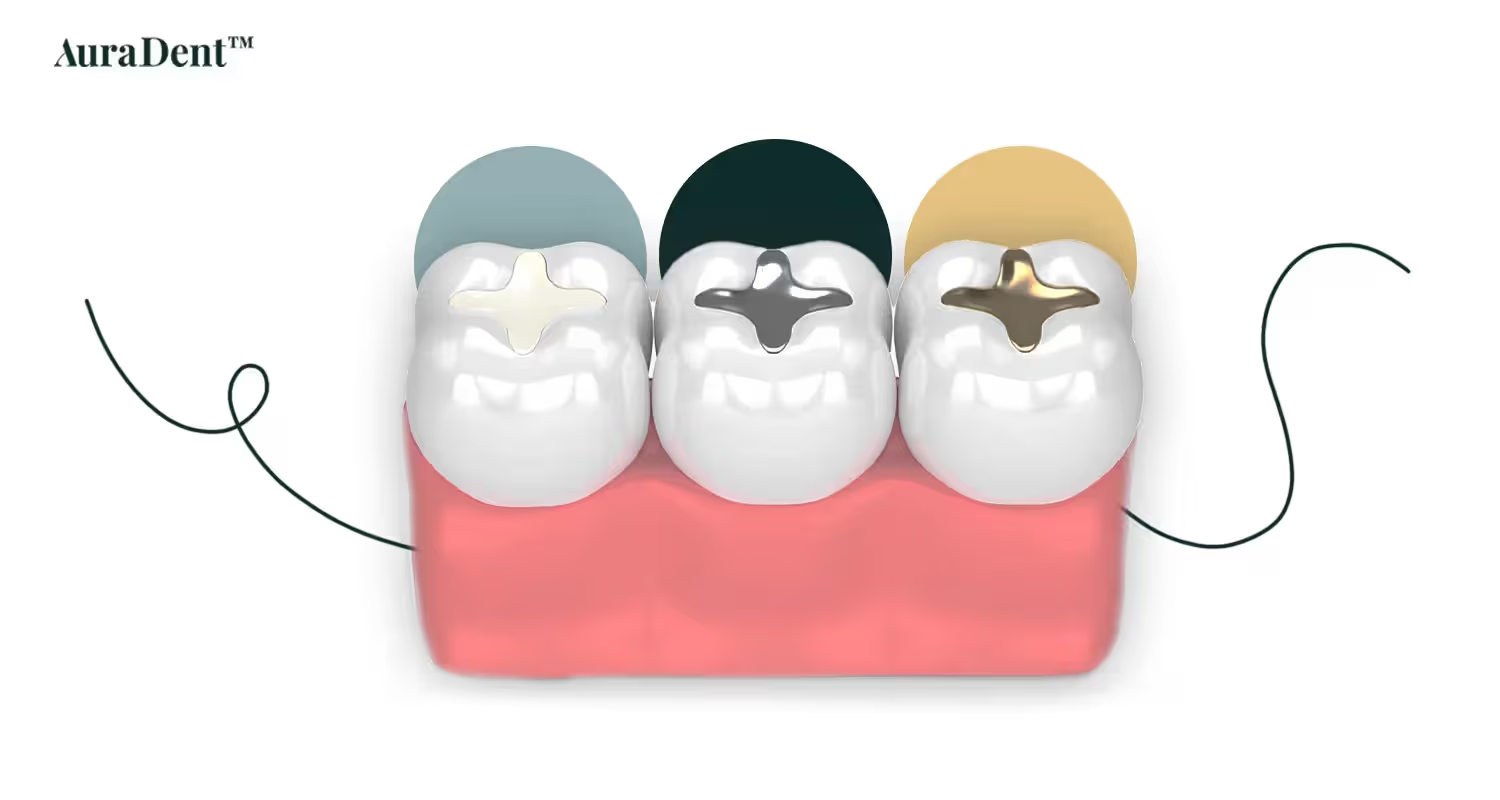
Everything about dental filling treatment is not just about the process itself but also about which material gives the best result for your specific teeth. The choice of material affects both durability and aesthetics, and your dentist will help you choose the option that best suits the tooth's location, the extent of the damage, and your personal preferences. A well-chosen material ensures that the dental filling treatment is both durable and natural in appearance.
Composite Filling
The most widely used material today. Composite consists of a tooth-colored plastic and glass-based material that bonds directly to the tooth.
Advantages:
- Aesthetically natural result
- Requires only a small amount of healthy tooth to be removed
- High strength and good adhesion to the tooth surface
Disadvantages:
- May discolor over time
- Slightly shorter lifespan than ceramic
Ceramic Filling
Ceramic fillings are often used for teeth that are highly visible or where durability is especially important.
Advantages:
- Very wear-resistant and stain-resistant
- Resembles natural enamel in color and gloss
Disadvantages:
- Costs more than composite
- Often manufactured in a laboratory, requiring longer treatment time
Glass Ionomer
A material primarily used for small restorations or on children.
Advantages:
- Releases fluoride that helps prevent new decay
- Suitable for small fillings or temporary restorations
Disadvantages:
- Less durable than composite and ceramic
Amalgam – Older Fillings
Amalgam contains mercury and is now rarely used. Many choose to replace old amalgam fillings with composite or ceramic for a more natural and safer result.
AuraDent offers professional and safe removal of old amalgam fillings for those who want to modernize your smile.
Care Instructions – How to Take Care of Your Filling
A dental filling requires simple but regular care to last a long time and to maintain good oral health.
Immediately after treatment
- Avoid chewing hard food before the anesthesia has worn off.
- Choose soft foods during the first day.
- Brush gently around the treated area.
Long-term care
- Brush your teeth twice a day with fluoride toothpaste.
- Use dental floss to clean between teeth daily.
- Attend regular dental check-ups to ensure the filling is in place as it should be.
A well-maintained filling can last for many years and contribute to both function and aesthetics.
Taking care of your dental filling is crucial for a healthy and lasting smile, but good oral health also involves having enough saliva to protect your teeth. If you often feel dry mouth, you can read "Dry Mouth (Xerostomia): Causes, 10 Home Remedies, and Effective Treatment" to learn how to relieve the discomfort and better protect your teeth.
What Does a Dental Filling Treatment Cost?
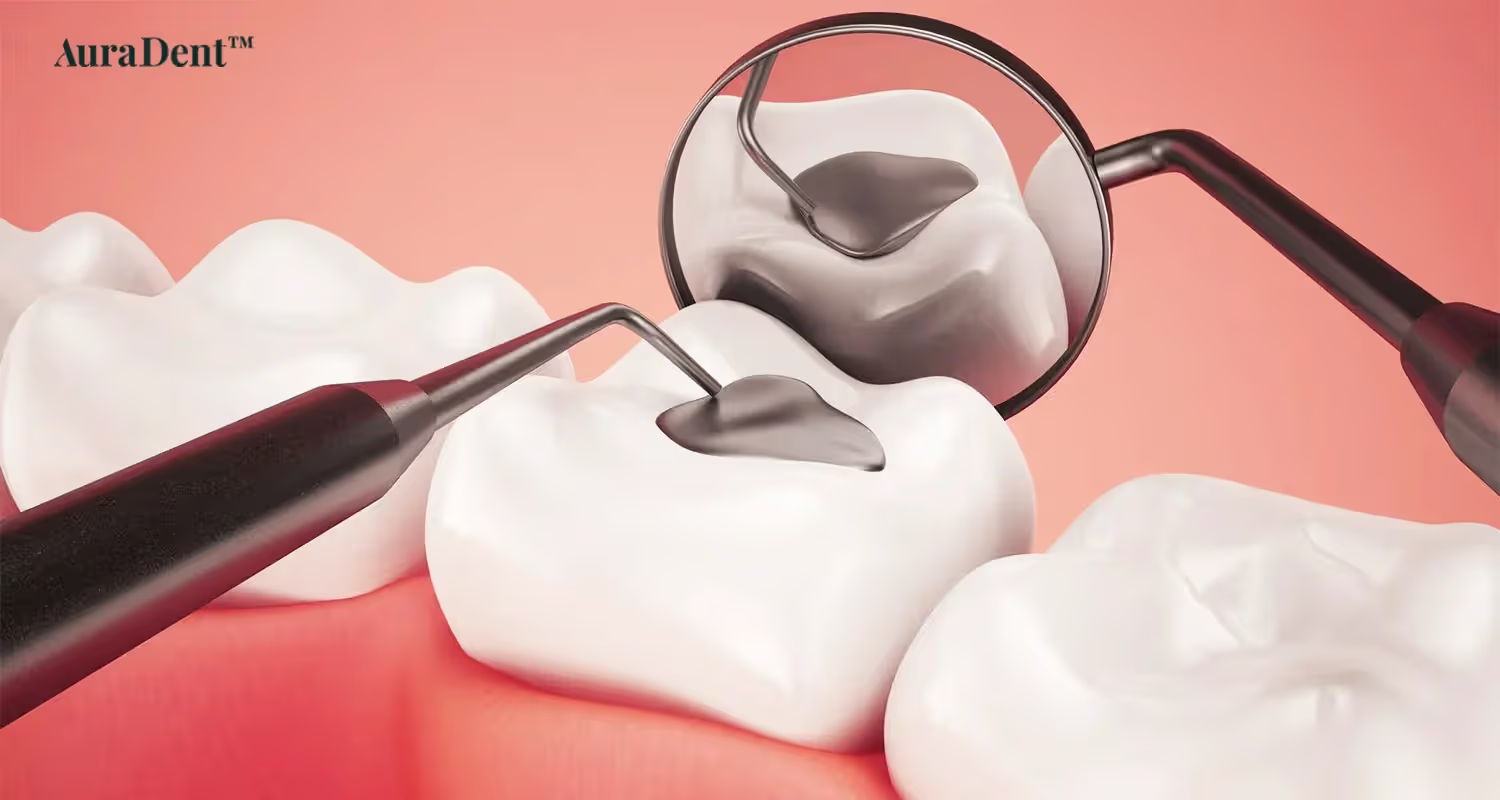
The price of a dental filling depends on several factors, such as material choice, tooth location, and the extent of the treatment.
A simple composite filling can start at approximately 350.00 AED, while a ceramic filling may cost several thousand AED. The treatment is often partially covered by the Swedish Social Insurance Agency (Försäkringskassan), and at AuraDent, flexible payment solutions are available, for example through Klarna.
Do you want to know the exact cost for your treatment? Contact AuraDent or see our updated price list at auradent.se.
Conclusion
Learning more about dental filling treatment makes it easier to make safe and well-informed decisions about your dental health. A dental filling treatment is both effective and safe while helping to prevent future dental problems. By choosing the right material and following good oral care routines, you can maintain a strong and beautiful smile for many years to come.
If you suspect you have a cavity or need to replace an old filling, it is important to act in time. Book an appointment at AuraDent today. Our experienced dentists will help you quickly, safely, and painlessly restore a healthy and strong tooth.
FAQs