
- General Dentistry
- Dental Hygiene
Failed Dental Implants: The Complete Guide to Causes, Symptoms, and Treatment

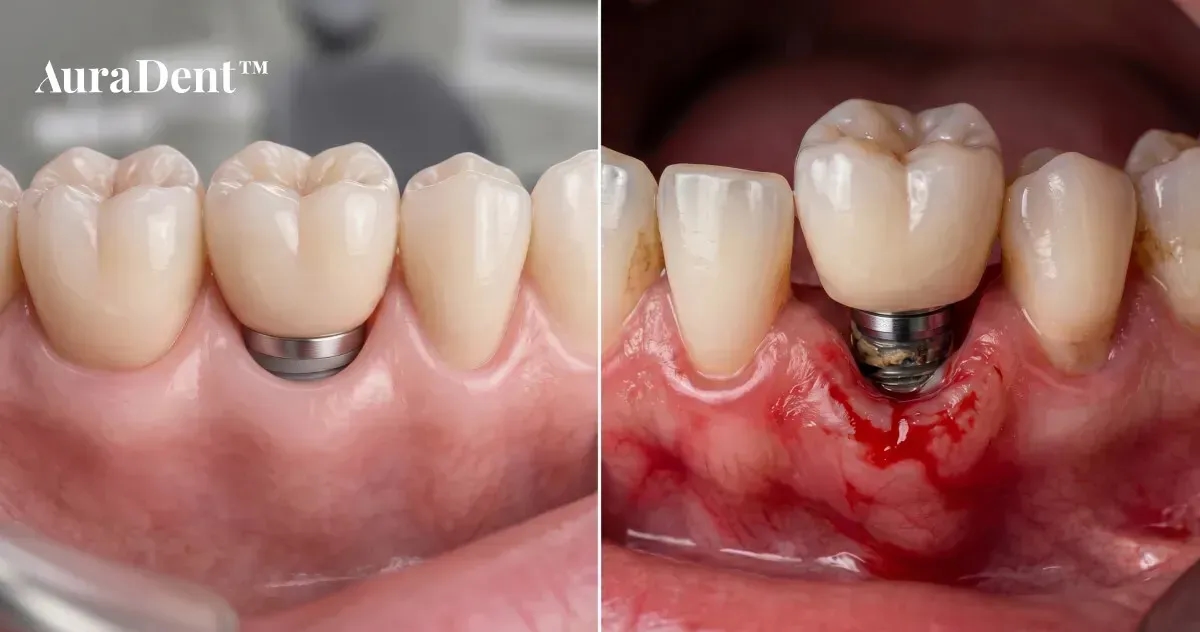
Dental implants have a very high success rate; Over 95% of all treatments are successful. Despite this, complications can sometimes occur. A failed dental implant does not mean that all is lost, but it requires quick diagnosis and the right action. In this guide, we go through everything you need to know about failed dental implants – from early warning signs and underlying causes to treatment options and preventive strategies.
Key Points in Brief
- Most dental implants function excellently for a long time, but infection or lack of bone integration can cause failures.
- Early symptoms include pain, swelling, mobility, and difficulty chewing.
- Smoking, alcohol, and poor oral hygiene increase the risk of complications.
- A loose dental implant does not always mean total loss; sometimes it is just a loose screw.
- Quick assessment by a dentist is crucial to save the implant or plan new treatment.
Early Warning Signs: How Do You Know If a Dental Implant Is Failing?
Detecting problems early is crucial. The following signs may indicate that something is not right:
- Implant mobility: A healthy implant should be completely stable. If you notice movement, especially when chewing, you should contact your dentist immediately.
- Pain or discomfort: Persistent ache or tenderness around the implant can signal inflammation or infection.
- Swelling or redness of the gums: This may indicate peri-implantitis, an inflammatory disease that attacks the tissue around the implant.
- Pus formation: Visible pus around the implant indicates infection and requires immediate care.
- Gum recession: When the gums pull back and the metal surface becomes visible, there is a risk of bone loss.
- Difficulty chewing: Pain or instability when chewing is a common sign of implant failure.
If you experience any of these symptoms, it is important to act quickly. In the article "Dental Implant Risks and Complications: Symptoms and Solutions," you will gain a deeper understanding of why these problems occur and how they can be treated safely and effectively. Read on to find out how you can protect your implants and maintain a healthy smile.
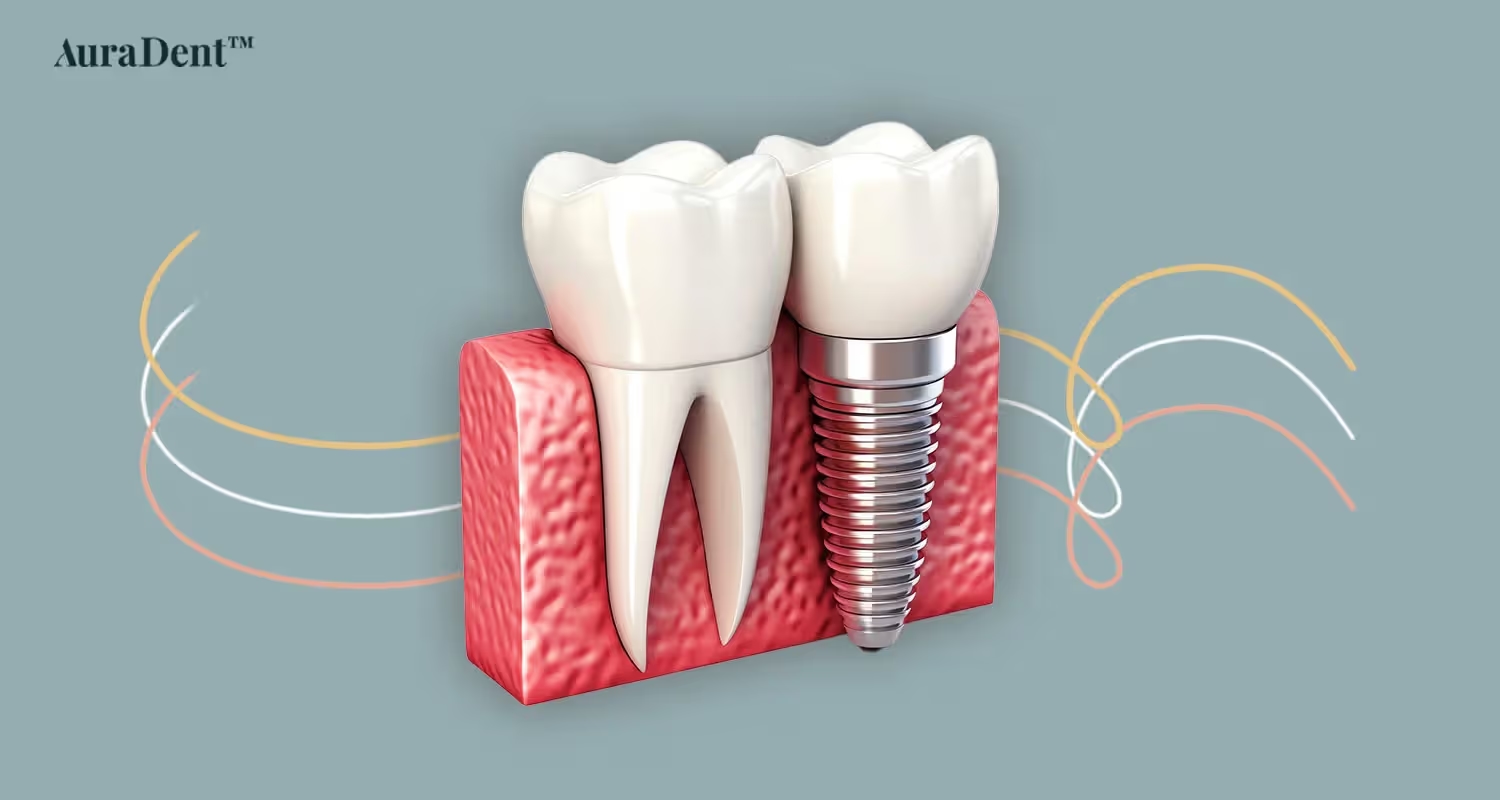
What does it mean if my dental implant is loose?
A loose dental implant can be due to two different things. Either the crown itself or the abutment screw has come loose, which is usually easy to fix, or the bone attachment has weakened. The latter is more serious and requires prompt treatment to prevent further bone loss. A thorough clinical examination always determines the cause and what action is required.
Help! My dental implant screw has come loose
If the dental implant screw has come loose, it rarely means that the entire implant has failed. The screw that holds the crown can loosen under heavy pressure or teeth grinding. A dentist can usually tighten or replace the screw without needing to remove the entire implant. However, it is important to have it checked quickly to avoid damage to the internal parts of the implant.
Main Causes: Why Do Dental Implants Fail?
Failed dental implants are often divided into two categories: early and late complications.
Early Failure
This occurs within the first few months after surgery and can be due to:
- Incorrect placement during surgery
- Infection at the implant site
- Insufficient bone density or lack of stability
- Medical conditions such as diabetes, osteoporosis, or autoimmune diseases
Late Failure
Occurs after a longer period, usually due to peri-implantitis, which attacks the tissue and bone around the implant. The main causes are poor oral hygiene or long-term smoking. Regular follow-ups significantly reduce the risk.
Dental Implant Risks and Problems to Be Aware Of
All surgical procedures involve certain risks. The most common dental implant risks and problems are:
- Infection and peri-implantitis
- Nerve damage or loss of sensation in the area
- Sinus problems with implants in the upper jaw
- Failed osseointegration, where the implant does not properly attach to the bone
- Long-term bone loss due to poor oral hygiene
Being aware of these risks makes it easier to prevent them through careful planning and follow-up.
Preventive Measures: How to Protect Your Investment
Taking care of dental implants is crucial for long-term success.
- Good oral hygiene: Brush thoroughly twice daily, use dental floss and antibacterial mouthwash.
- Regular check-ups: Schedule follow-up visits with your dentist for cleaning and monitoring.
- Medical transparency: Inform your dentist about any medications and medical conditions before the procedure.
Alcohol After Dental Implants: A Critical Risk Factor for Healing
Consuming alcohol after dental implants can slow down healing. Alcohol affects blood circulation, reduces oxygen supply to tissues, and can impair the effectiveness of antibiotics. It also increases the risk of bleeding. Avoid alcohol completely during the first week and preferably until the dentist approves it. An alcohol-free period promotes bone healing and reduces the risk of complications.
The Impact of Smoking on Dental Implants
Smoking is one of the most common causes of implant failure. Nicotine restricts blood flow and impairs healing, increasing the risk of infection and peri-implantitis. Quitting smoking before surgery and during the healing period significantly increases the chance of a successful outcome. Feel free to discuss smoking cessation support with your dentist prior to treatment.
Treatment Options: What Happens If an Implant Fails?
If an implant shows signs of failure, you should seek dental care immediately. Early diagnosis can sometimes save the implant.
The Process of Removing a Dental Implant
If necessary, the dentist can remove the dental implant under local anesthesia. The procedure is painless and is done to prevent ongoing infection or bone loss. If the bone has weakened, a bone graft may be needed before a new implant can be placed.
Once the area has healed and the bone has recovered, a new implant can be placed, or an alternative solution such as a bridge or denture may be chosen depending on the bone volume. The individual plan is always tailored to the patient's needs and health.
After treatment, proper aftercare is crucial for the implant to heal correctly and last a long time. In the article "Dental Implant Aftercare: Your Complete Guide to Healing and Maintenance," you can read about how to care for your implant after the procedure, which routines promote healing, and what you should avoid during the recovery period.
Conclusion
Failed dental implants are rare but should be taken very seriously. The earlier the problem is detected, the greater the chance that the implant can be saved or replaced without complications. Regular follow-up, thorough oral hygiene, and avoiding risk factors such as smoking and alcohol make an enormous difference in the longevity of implants.
If you experience pain, discomfort, or suspect problems with your implant, do not wait. Book a free consultation at AuraDent™ today. Our experienced specialists use advanced diagnostics and individually tailored treatment plans to restore both function and confidence in your smile. With us, you receive the care and expertise you deserve to maintain a strong, healthy, and natural smile for life.
FAQs