
- Dental Hygiene
- General Dentistry
How Does Sugar Damage Your Teeth? A Comprehensive Guide


How sugar damages teeth is a topic that has gained increasing significance as sugar has become a common component in today's diet, from sugary drinks to candy and processed foods. Although sugar can contribute to taste and energy, it has a clearly negative impact on oral health. In this comprehensive guide, we will delve into how sugar affects teeth, the different types of sugar that exist, the risks associated with high sugar intake, and proven strategies that can help you prevent tooth damage and maintain good oral health.
Understanding Sugar
Sugar is a type of carbohydrate that serves as a primary energy source for the body. It is classified into two main categories:
- Simple sugars: These are rapidly absorbed by the body and include glucose, fructose, and sucrose. They are commonly found in fruits, honey, and processed foods.
- Complex sugars: These are digested more slowly and provide a sustained release of energy. Examples of complex sugars include starch and fiber, primarily found in whole grains, legumes, and vegetables.
Sugar's Impact on Dental Health
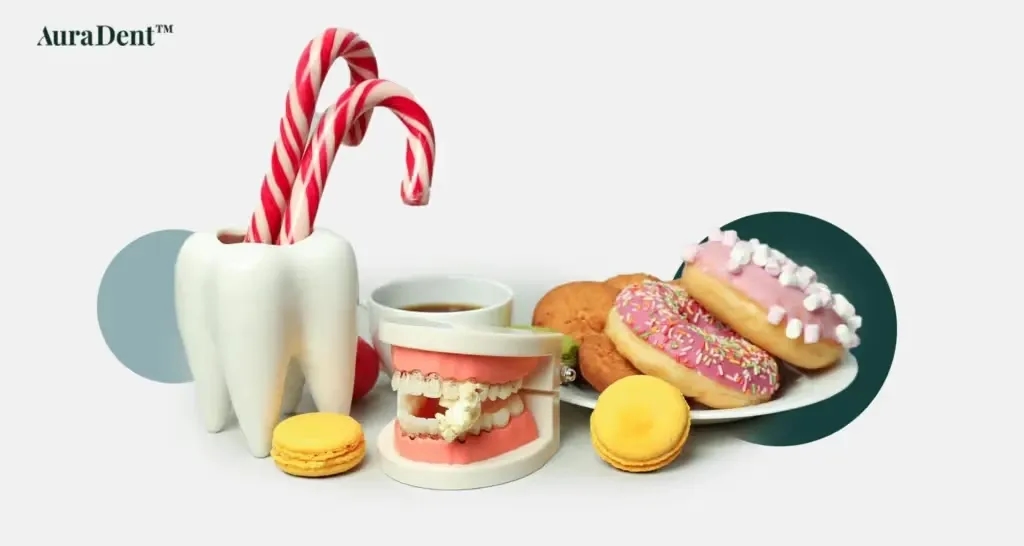
When you consume sugary foods and drinks, the bacteria in your mouth break down the sugar into acids. These acids can erode the enamel, the hard outer layer of your teeth. Over time, this erosion can lead to tooth decay, cavities in the teeth.
Here is a detailed breakdown of the process:
- Sugar metabolism: Bacteria in the mouth feed on the sugar and produce acids as a byproduct.
- Acid attack: These acids attack the enamel, softening it and making it more susceptible to erosion.
- Cavity formation: If the acid attack is frequent and severe, it can lead to small holes in the tooth.
Types of Sugar and Their Dental Health Implications
- Sucrose: Commonly found in table sugar, candy, and baked goods.
- Fructose: Naturally occurring in fruit and honey, but also added to many processed foods and drinks.
- Glucose: Found in fruits, vegetables, and honey, as well as added to processed foods.
- Maltose: Occurs in barley and other grains.
- Lactose: Found in milk and dairy products.
Although all types of sugar can contribute to dental problems, it is important to note that excessive consumption of added sugar, especially that found in processed foods and drinks, poses the greatest risk.
Risks of Excessive Sugar Intake
In addition to dental problems, excessive sugar consumption is linked to several other health issues:
- Obesity: Excess calorie intake from sugary foods and drinks can lead to weight gain.
- Type 2 diabetes: High sugar intake can increase the risk of developing type 2 diabetes.
- Heart disease: A diet rich in added sugar has been linked to an increased risk of heart disease.
- High blood pressure: A diet rich in added sugar can contribute to high blood pressure.
- Cancer: Some studies suggest a potential link between excessive sugar intake and certain types of cancer.

Protect Your Teeth from Sugar Damage
Here are effective strategies to protect your dental health:
- Maintain a balanced diet: Limit your intake of sugary foods and drinks, and choose healthier alternatives such as fruits, vegetables, and whole grains.
- Practice proper oral hygiene: Brush your teeth twice a day with fluoride toothpaste, floss daily, and use a mouthwash recommended by your dentist.
- Regular dental visits: Visit your dentist for routine check-ups and cleanings. Early detection and prevention are key to maintaining oral health.
- Consider sugar substitutes: If you crave sweetness, explore natural sugar substitutes such as stevia or xylitol, which may pose fewer risks to dental health.
- Rinse your mouth with mouthwash or water after consuming sugary foods and drinks. This can help remove sugar and bacteria from the mouth.
- Stay hydrated: Drinking plenty of water throughout the day can help wash away food particles and bacteria.
Conclusion
How sugar damages teeth is a well-known fact in dentistry, but its full impact is not always clear to the public. A high and frequent sugar intake can lead to serious damage to tooth enamel and is a common cause of tooth decay. By being aware of the risks and taking preventive measures, you can protect your teeth and maintain a healthy smile for life. Moderate sugar consumption, a balanced diet, and good oral hygiene are essential for long-term dental health.
FAQs