
- Dental Hygiene
Should you brush your teeth before or after breakfast? Here is the answer from the dentist

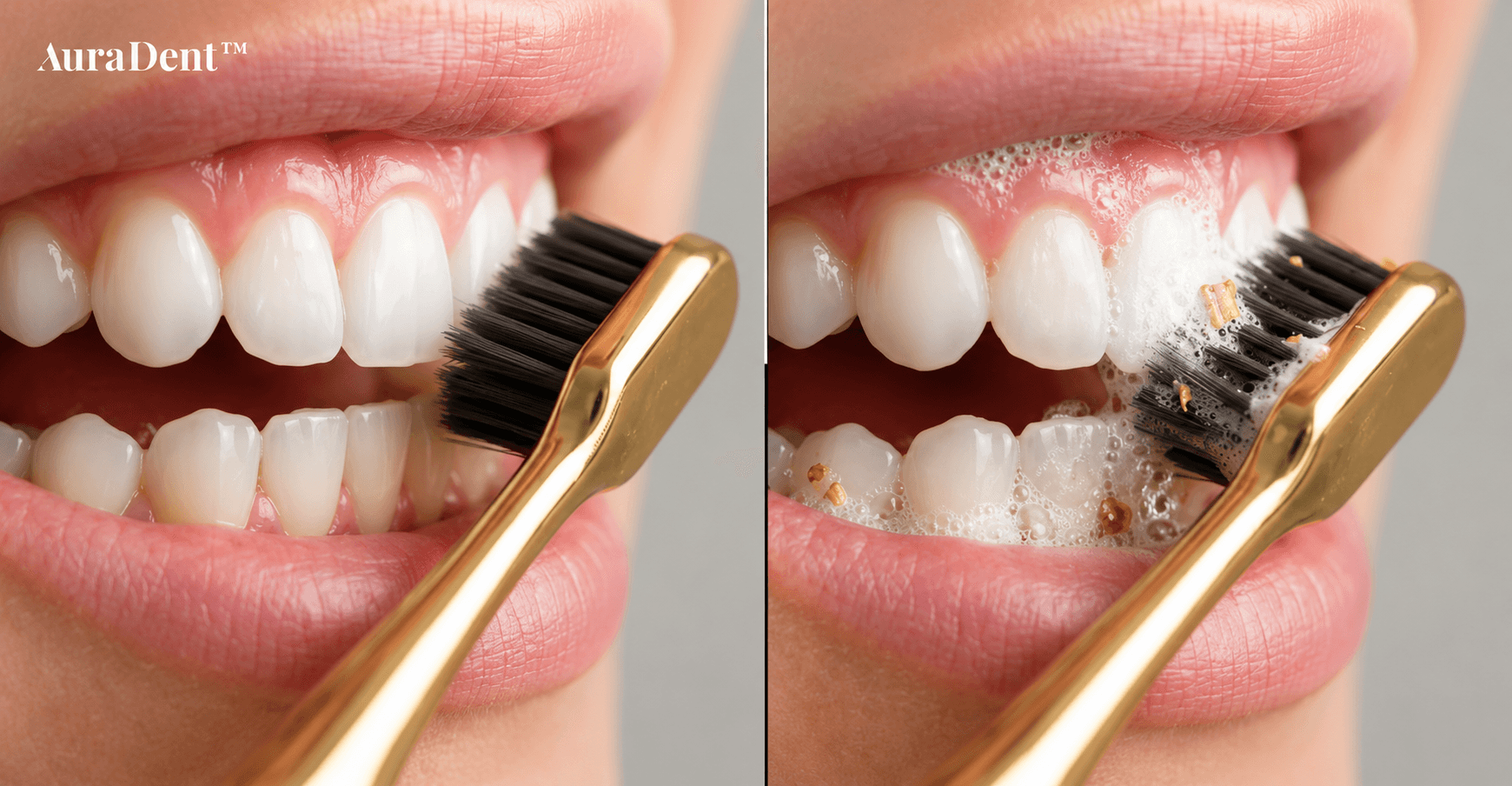
The Dentist's Short Answer
- For the best protection of your enamel, you should brush your teeth before breakfast.
- If you prefer to brush after breakfast, always wait at least 30–60 minutes to avoid damaging the enamel.
- Rinse your mouth with water or chew sugar-free gum immediately after the meal to neutralize acids.
- Use a soft toothbrush and brush with gentle motions to protect both enamel and gums.
Why should you brush your teeth before breakfast?
Brushing your teeth before breakfast has several benefits that strengthen your defense against cavities and acid attacks. Here are three main reasons:
1. Remove overnight bacteria
During the night, bacteria that cause plaque multiply and produce acids that attack the enamel. By brushing your teeth in the morning before breakfast, you remove the bacteria before they have a chance to be activated by food. This reduces the risk of cavities and gives you a fresher feeling in your mouth right from the start of the day.
2. Protect enamel against acid attacks
When you eat breakfast, especially foods like juice, fruit, or coffee, the enamel becomes temporarily softer and more sensitive. If you have already brushed before the meal, your teeth are protected by the fluoride from the toothpaste and can better withstand acids. In this way, brushing acts as a barrier that makes the enamel stronger and less vulnerable.
3. Stimulate saliva production
Saliva is the body's natural defense against bacteria because it neutralizes acids and helps repair enamel. By brushing your teeth before breakfast, you stimulate saliva flow, which strengthens oral health, improves digestion, and keeps your breath fresh.
When should you brush your teeth in the morning if you do it after breakfast?
If you prefer to wait to brush your teeth, timing is crucial. Here is the dentist's advice:
1. Wait at least 30–60 minutes
After acidic foods such as fruit or juice, the enamel is soft and more sensitive. If you brush immediately, you risk wearing away the enamel, which over time can lead to sensitivity and cavities. Therefore, the rule is: always wait at least half an hour, preferably an hour, to give the enamel time to harden again.
2. Rinse with water first
A glass of water after the meal flushes away food debris and lowers the acidity level in the mouth. This reduces the risk of acid attacks until you brush. It is a simple habit that makes a big difference in keeping enamel strong and resilient.
3. Chew sugar-free gum
Chewing sugar-free gum stimulates saliva, which helps restore balance and protect your teeth until you brush. Preferably choose gum with xylitol, as it can also inhibit the bacteria that cause cavities and keep your mouth fresher for longer.
For an even deeper understanding of how your daily habits affect your oral health, also read the article How Does Sugar Damage Your Teeth? to gain insights on how to best protect your teeth.
Tips for Your Toothbrush
For the best results from your morning routine, it is also important to take care of your toothbrush:
- Rinse it thoroughly after each use and let it air dry.
- Replace your toothbrush every three to four months.
- Avoid sharing your toothbrush with others.
- Choose a soft brush that is gentle on both enamel and gums.
Conclusion
The question of whether you should brush your teeth before or after breakfast has a clear answer: it is usually best to do it as soon as you wake up. This removes the bacteria that have built up overnight, strengthens enamel, and prepares your mouth for the first meal of the day. You also get fresher breath and a better start to the morning.
However, if you prefer to wait, it is important to follow the advice to protect your teeth. Wait at least half an hour after eating, rinse your mouth with water, and use a soft toothbrush. By doing this, you reduce the risk of enamel damage and ensure that your oral health is preserved in the long term. It is also wise to supplement with floss or mouthwash to keep your entire mouth clean and healthy.
Do you want more personalized advice for your oral health? Book an appointment at AuraDent™ today for a professional consultation.
FAQs