
- General Dentistry
How long does the anesthesia last at the dentist's office?

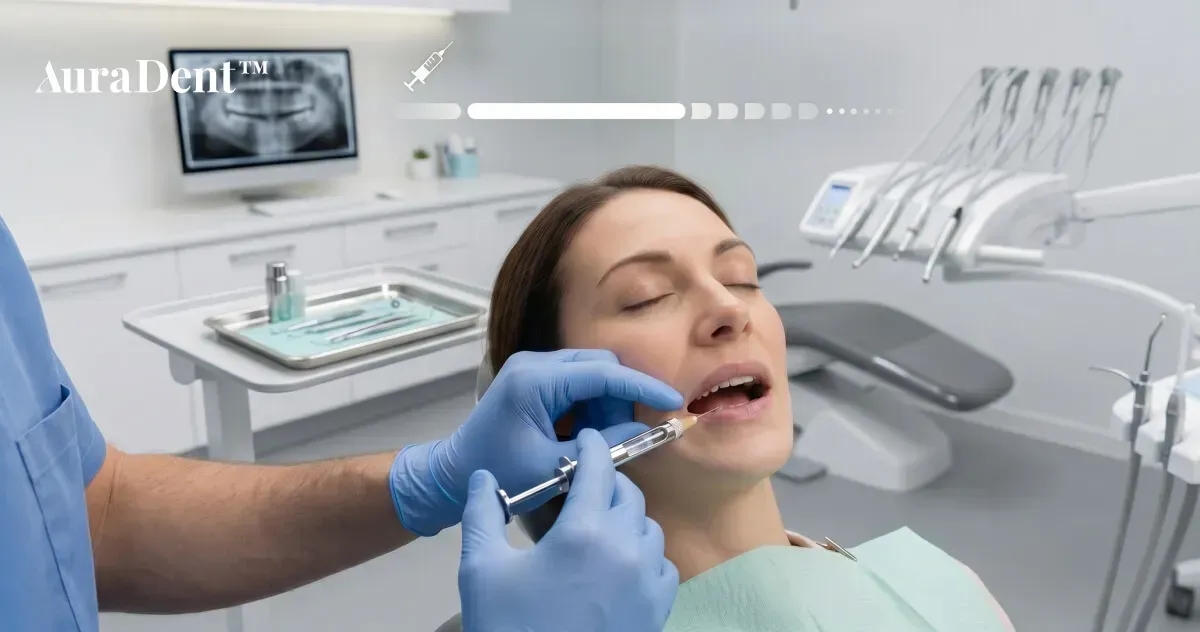
Have you ever undergone a dental treatment that required anesthesia? Then you may have wondered how long the numbness lasts and what you can do to speed it up or slow it down. You may also feel concerned about the different types of anesthesia available and how they will affect you.
In this blog post, we will explain the duration of dental anesthesia and help you prepare for your next visit to the dentist.
Discover Your Anesthesia Options: From Injections to Inhalants
Dentists use various methods to numb your mouth and make you comfortable during dental treatment. Depending on the type and extent of the procedure, you may be given one or more of the following anesthetics:
Local anesthesia: Injections and anesthetic gel
Local anesthetics are medications that block nerves from sending pain signals to the brain. They are injected into the gums or applied as an anesthetic ointment to a specific area in the mouth. Local anesthetics are typically used for fillings, root canals, extractions, and other minor procedures.

How long the numbing effect lasts depends on several factors, such as the type and amount of medication used, the injection site, and your individual response to the medication. Generally speaking, local anesthesia lasts between 30 minutes and 4 hours.
Nitrous oxide: Breathe in calm, breathe out fear
Nitrous oxide is a gas that you inhale through a mask or mouthpiece. It is a mild sedative that reduces anxiety and enhances the effects of local anesthetics. Nitrous oxide does not render you unconscious, but it makes you feel relaxed and less aware of pain. How long the nitrous oxide lasts depends on how long you inhale it and how quickly you exhale it. Generally, the effects of nitrous oxide wear off within 5 minutes after you stop inhaling it.
Beyond the Numbers: Your Personal Anesthesia Journey
While average anesthesia durations are useful as guidelines, they don’t tell the whole story. Your anesthesia experience is unique to you and depends on many factors that vary from person to person and from procedure to procedure. Here are some tips to help you understand and optimize your anesthesia journey:
Understand Your Procedure: Different Procedures, Different Needs.
Before your dental appointment, make sure you know what type of procedure you will be undergoing and what type of anesthesia you will receive. Ask your dentist about how long the anesthesia is expected to last and how it will affect your daily activities.
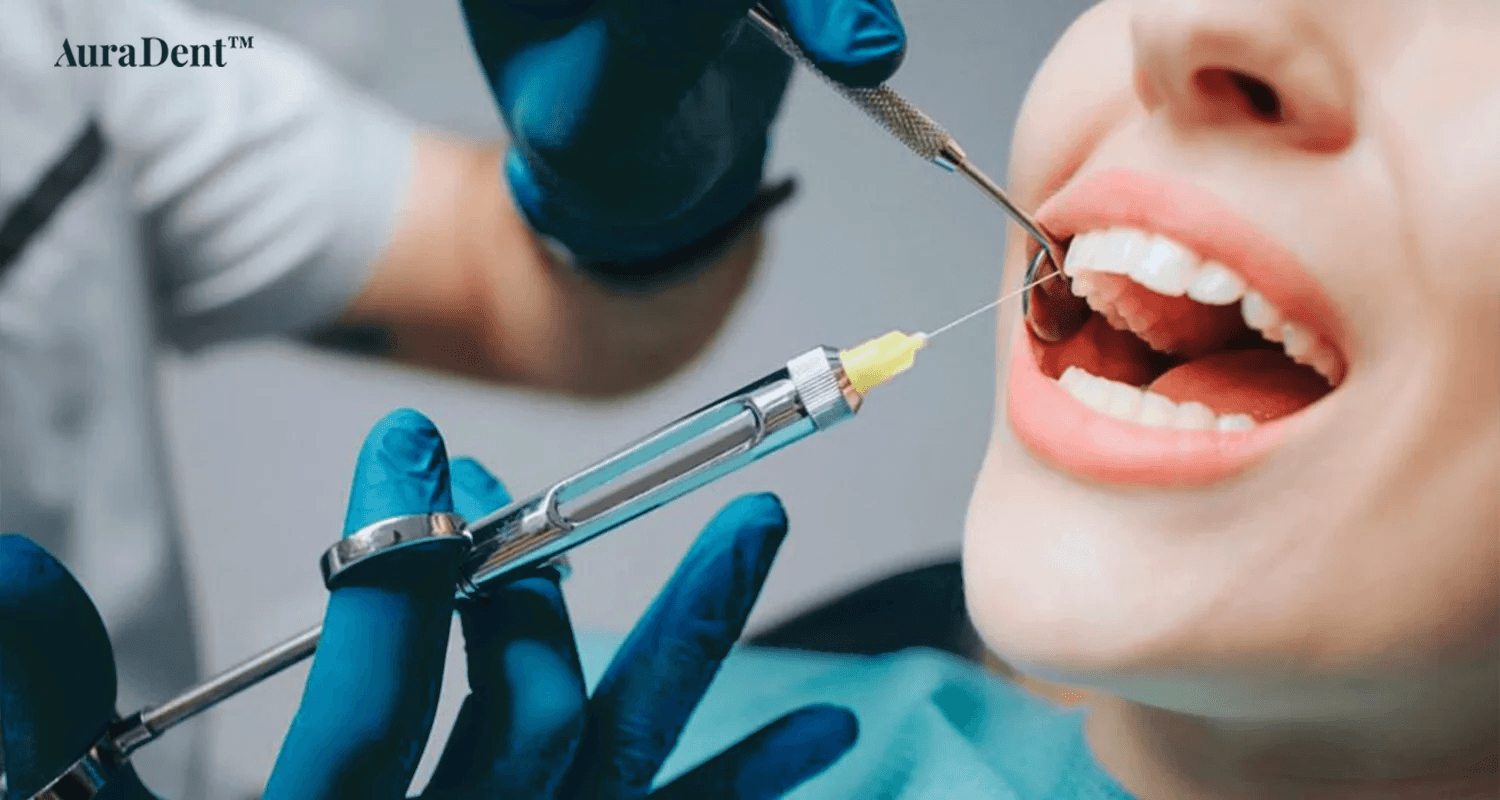
For example, an anesthetic injection in the lower jaw can also cause numbness in the tongue and lip for several hours, which may make it difficult to eat, drink, or speak. An injection in the upper jaw can cause numbness in the nose and cheek, but it may not interfere with your normal functions.
Talking to Your Dentist: Open Communication for Informed Choices.
Your dentist is your best ally when it comes to choosing and managing your anesthesia. Tell your dentist about any medical conditions, allergies, medications, or supplements you have or are taking, as they can affect how you react to anesthesia. Tell your dentist about any preferences or concerns you have regarding anesthesia, such as whether you want more or less numbness, or if you have any fears or anxiety about anesthesia. Your dentist will listen to your needs and wishes and recommend the best option for you.
Individual factors at play: age, metabolism, anxiety levels, etc.
Your personal characteristics also affect how long the anesthesia lasts in your system. For example, younger people tend to break down medications faster than older people, which means that the anesthesia wears off more quickly in younger people. People with faster metabolisms also tend to have a shorter duration of anesthesia than people with slower metabolisms. People with higher anxiety levels may need more anesthesia or sedation than people with lower anxiety levels. People with certain genetic variations may also react differently to anesthesia than others.
Managing Expectations: Setting Realistic Timelines and Avoiding Surprises.
One of the most important aspects of anesthesia management is setting realistic expectations and avoiding unpleasant surprises. Don’t expect the anesthesia to wear off at a specific time or in a specific way. Don’t plan any important activities or tasks that require full sensation or coordination immediately after your dental treatment. Give yourself enough time and space to recover from the anesthesia at your own pace.
When the Numbness Wears Off: What to Expect Afterward
Once your dental treatment is over and the anesthesia starts to wear off, you may experience some sensations and symptoms that are normal and temporary. Here are a few things to expect and some tips for managing them:
Post-Anesthesia Sensitivity: Managing Lingering Effects and Discomfort.
As the anesthesia wears off, you may experience some tingling, itching, or a burning sensation in your mouth. You may also feel some tenderness, swelling, or bruising at the injection site or around the treated area. These are normal signs that your nerves are recovering and your blood vessels are healing. To manage these effects, you can apply ice packs, take over-the-counter pain relievers, and rinse your mouth with warm salt water. Avoid touching, scratching, or biting the numb area, as you may injure yourself without feeling it.
Tips for a smooth recovery: Eating, drinking, brushing, and more.
While you’re still under the influence of anesthesia, you should be careful about what you eat and drink and how you care for your oral hygiene. Here are some tips to follow:
- Eat soft foods that don’t require much chewing, such as yogurt, soup, mashed potatoes, etc.
- Avoid hot, cold, spicy, acidic, or hard foods that can irritate your mouth or damage your teeth.
- Drink plenty of water to stay hydrated and rinse away any remaining anesthetic.
- Avoid alcohol, caffeine, or carbonated beverages, which can dehydrate you or interfere with your anesthesia.
- Brush your teeth gently and floss carefully. Avoid using mouthwash that contains alcohol or other harsh ingredients that may cause a burning sensation in your mouth.
- Do not smoke or use tobacco products, as they can delay your healing and increase your risk of infection.
When to contact your dentist: Recognize potential complications.
While most people recover from anesthesia without any problems, some may experience complications that require medical attention. If you notice any of the following signs or symptoms, contact your dentist immediately:
- Severe or persistent pain that does not respond to pain relievers
- Excessive or prolonged bleeding that does not stop with pressure
- Signs of infection such as fever, pus formation, redness, or swelling
- Allergic reactions such as a rash, hives, itching, or difficulty breathing
- Numbness that lasts longer than 24 hours or spreads to other parts of the body
If you have any of these symptoms and need an emergency dental appointment, you can book an appointment with AuraDent now:
Conclusion
Dental anesthesia is a safe and effective way to make your dental treatment comfortable and pain-free. However, it also involves some uncertainty and variation in how long it lasts and how it affects you. By understanding the different types of anesthesia available and how they work in your body, communicating with your dentist and following their instructions, as well as managing your expectations and taking care of yourself afterward, you can make your anesthesia experience smooth and successful.
FAQs
-1.webp&w=3840&q=100)