
- General Dentistry
Straight teeth: A guide to braces

A healthy, straight smile can significantly improve your confidence, self-esteem, and overall well-being. Dental braces are a popular orthodontic treatment that can help achieve a beautiful, straight smile. This comprehensive guide will delve into the details of dental braces, from the different types available to the benefits and processes involved.
Understanding Dental Braces
Dental braces are orthodontic devices designed to straighten teeth and correct bite issues. They typically consist of brackets, wires, and bands that are attached to the teeth and gradually move them into their desired positions.
Types of Dental Braces: A Closer Look
The choice of dental braces depends on individual preferences, lifestyle, and specific orthodontic needs. Here is a breakdown of popular options:
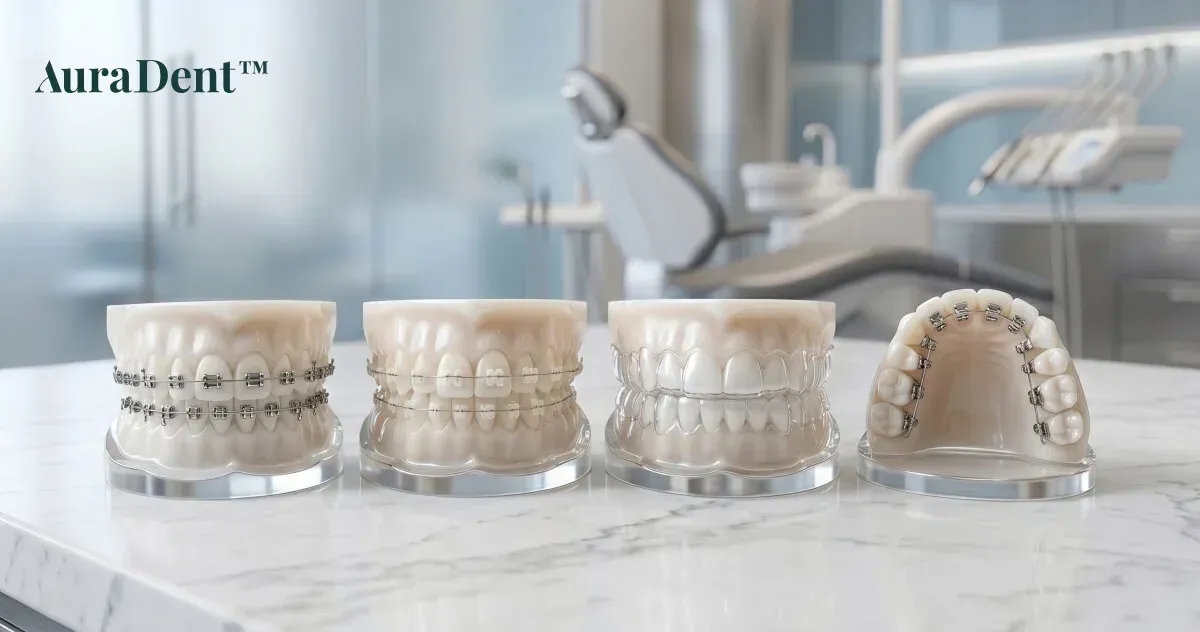
- Metal Brackets: Traditional metal brackets are made of stainless steel and are a reliable and effective choice. They are known for their durability and strength, making them suitable for most orthodontic cases.
- Ceramic Brackets: Aesthetically pleasing, ceramic brackets blend in with the color of your teeth, making them less noticeable than metal brackets. They are a popular option for individuals who desire a more discreet appearance.
- Invisalign: Invisalign aligners are a clear, removable alternative to traditional braces. They are made of a clear plastic material and custom-fitted to your teeth. Invisalign is an excellent choice for those who prioritize aesthetics and convenience.
- Lingual Brackets: For those seeking a completely invisible orthodontic treatment, lingual brackets are placed behind the teeth, making them virtually undetectable.
- Self-Ligating Brackets: These brackets use a sliding mechanism instead of elastic bands, which can reduce treatment time and discomfort.

Benefits of Dental Braces: More Than Just Aesthetics
Beyond improving your smile, dental braces offer many benefits for your oral health and overall well-being:
- Improved Oral Health: Straight teeth are easier to clean, reducing the risk of cavities, gum inflammation, and periodontitis.
- Enhanced Function: Braces can correct bite issues, improving your ability to chew, speak, and maintain proper jaw alignment.
- Increased Confidence: A beautiful smile can significantly boost your self-confidence and self-esteem, positively impacting your personal and professional life.
- Long-term Benefits: The results of orthodontic treatment can be lifelong with proper care.
The Braces Process: A Step-by-Step Guide
The orthodontic journey typically involves the following steps:
- Initial Consultation: You will visit an orthodontist for a thorough evaluation to determine if braces are right for you. If you wish, you can book an initial appointment with AuraDent's team of professional and friendly dentists and orthodontists.
- Treatment Planning: The orthodontist will create an individualized treatment plan tailored to your specific needs and goals.
- Application of Braces: The braces will be carefully applied to your teeth using a special adhesive.
- Regular Adjustments: You will need to visit your orthodontist for regular wire adjustments to ensure optimal progress.
- Retention: After the braces are removed, you will receive a retainer to maintain your new smile and prevent teeth from shifting back to their original positions.
Braces for Adults: Never Too Late
It is never too late to achieve a beautiful smile! Adults of all ages can benefit from orthodontic treatment. Whether you are experiencing issues with tooth alignment or simply wish for a more confident smile, braces can help.
Braces for Children: Early Intervention
Early orthodontic intervention can be beneficial for children with certain dental issues. By addressing problems at a young age, orthodontists can help guide the development of the jaw and teeth, potentially preventing more complex issues in the future.
Cost of Braces: Factors to Consider
The cost of braces can vary depending on several factors, including:
- Type of Braces: Metal brackets are typically less expensive than ceramic or clear aligners.
- Complexity of the Case: More complex orthodontic cases may require longer treatment times and additional procedures.
- Geographic Location: Costs may vary depending on your location and the orthodontist's fees.
- Insurance Availability: Many dental insurance plans offer partial coverage for orthodontic treatment.
Caring for Braces: Tips for a Successful Journey
Proper care is essential for maintaining the health of your teeth and braces. Here are some tips:
- Oral Hygiene: Brush your teeth at least twice a day with fluoride toothpaste and floss daily.
- Diet: Avoid hard, sticky, or chewy foods that can damage your braces.
- Regular Checkups: Schedule regular dental checkups and cleanings to monitor your oral health.
- Avoid Harmful Habits: Refrain from biting your nails or chewing on pens or pencils.
Additional Considerations
- Braces and Sports: If you participate in sports, discuss with your orthodontist how you can protect your braces during activities.
- Braces and Orthodontic Appliances: You may need to wear additional appliances, such as headgear or palatal expanders, in conjunction with your braces.
- Braces and Self-Care: Take care of your braces by avoiding certain foods and drinks, as well as brushing and flossing regularly.
- Braces and Appearance: Although braces can be noticeable, they can be customized to match your personality and style. Choose brackets that complement your skin tone or add a touch of color.
- Braces and Social Life: Don't let braces hold you back from socializing or enjoying your favorite activities. With proper care and a positive attitude, you can confidently navigate your orthodontic journey.
Conclusion
Braces can be a life-changing investment that gives you a beautiful smile and boosts your confidence. If you are considering orthodontic treatment, consult an orthodontist to discuss your options and determine if braces are right for you.
FAQs