- General Dentistry
Alveolitis and Infection After Tooth Extraction: Symptoms, Healing Time, and Treatment

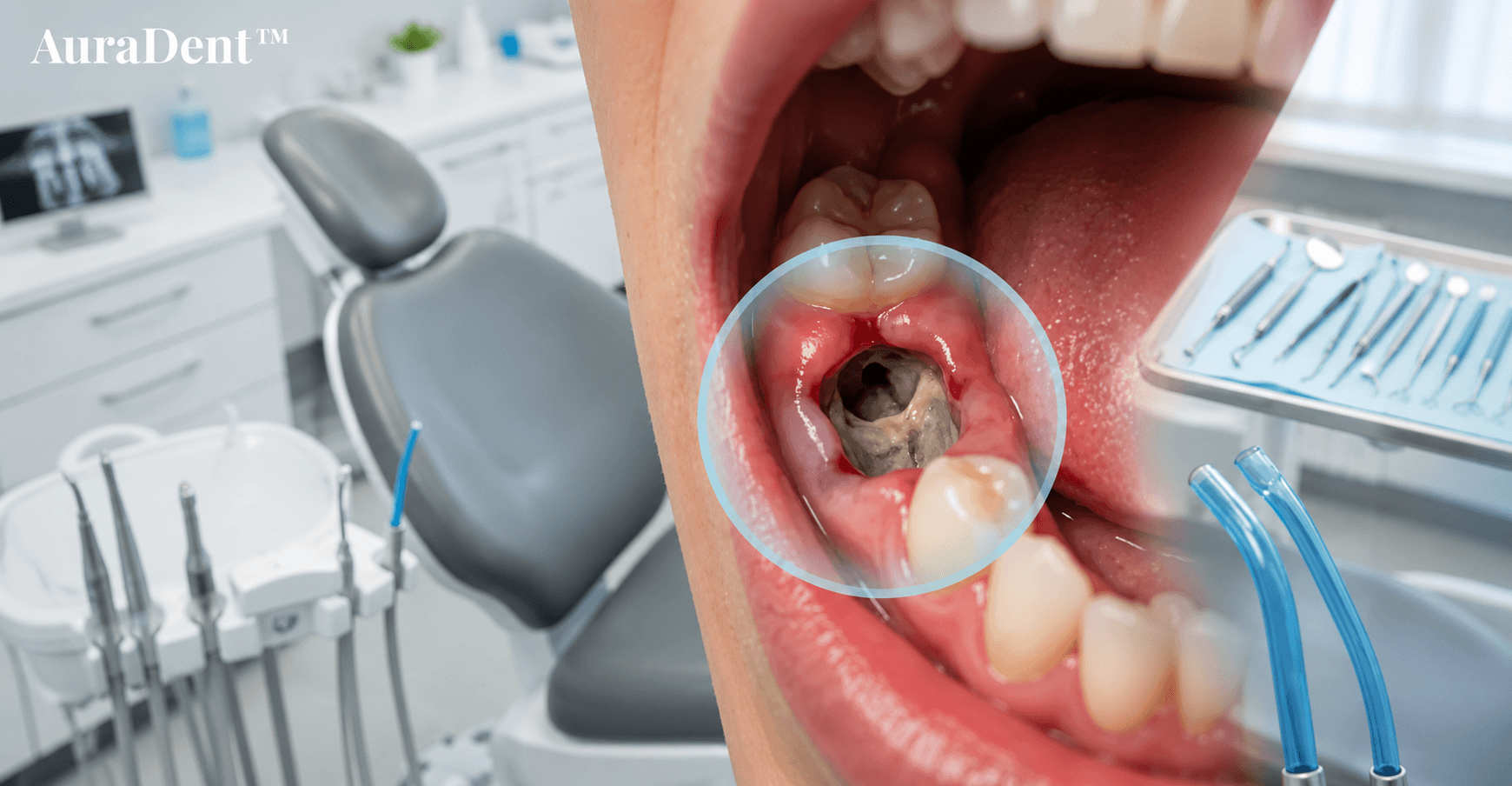
The days following a tooth extraction can sometimes surprise you with pain that feels more intense than expected. This often raises concern in patients: is it an infection, or is it alveolitis – the most common complication after tooth extraction? This guide explains the differences, the symptoms, and which treatments lead to faster healing.
Key Points at a Glance
- Alveolitis occurs when the blood clot in the tooth socket is missing or becomes dislodged
- Common symptoms: severe pain, bad taste, visible bone
- Infection often presents with fever, pus, and significant swelling
- Healing time: pain may subside within a week, but full healing can take up to two weeks
- Seek a dentist if you have fever, lack of improvement, or worsening symptoms
What is Alveolitis?
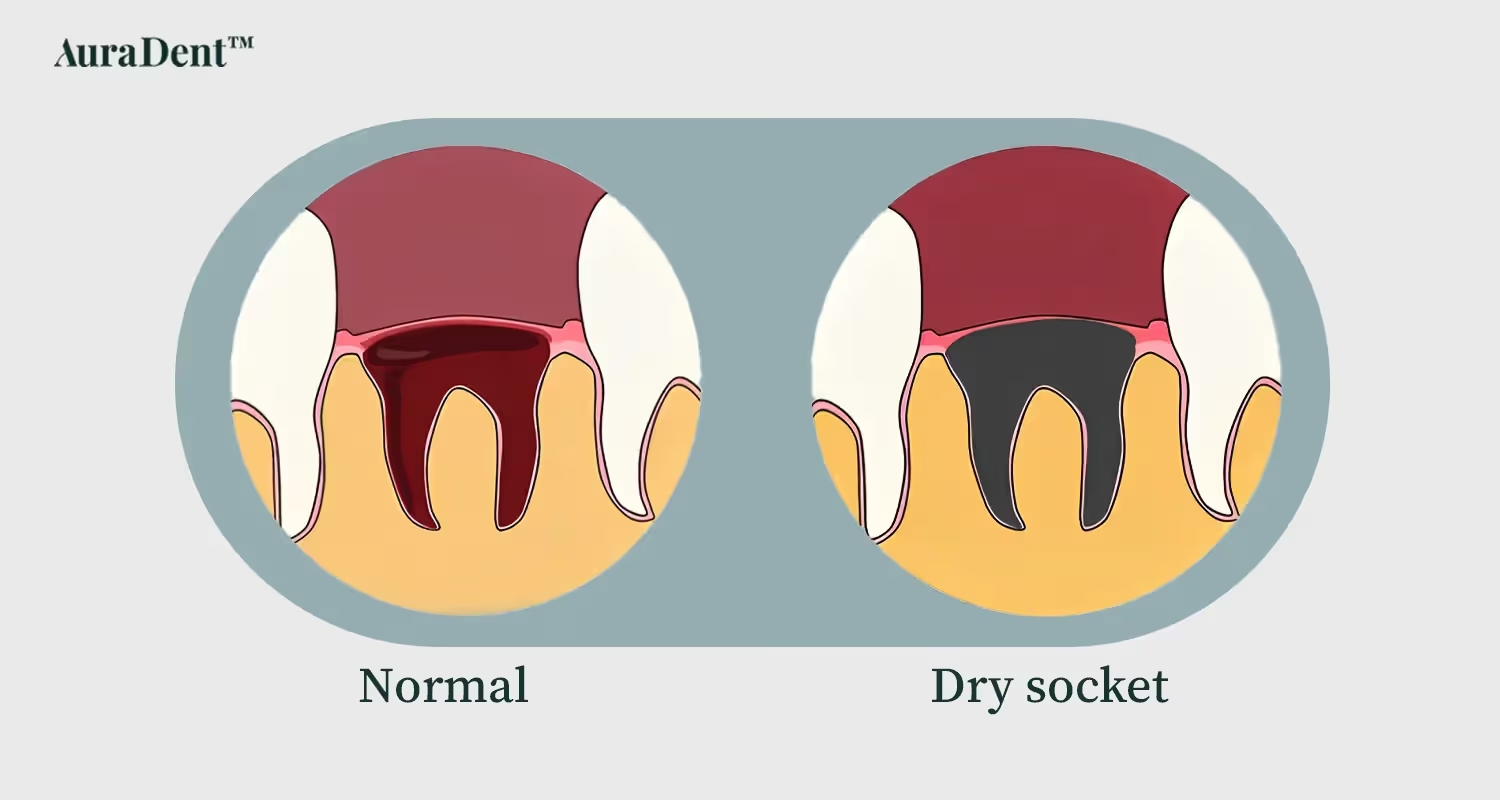
Alveolitis is a painful complication that can occur after a tooth extraction. Normally, a blood clot forms in the tooth socket to protect the underlying bone and nerves. In alveolitis, no clot forms, or it becomes dislodged too early. Without this protection, the tissue is exposed to air, food, saliva, and bacteria, causing intense pain and delayed healing time.
The condition usually occurs 1–3 days after the procedure but can develop later as well. Alveolitis is most common after wisdom tooth removal, as the procedure is often more complicated.
Symptoms of Alveolitis
The clearest sign of alveolitis is severe, persistent pain that often radiates toward the ear, temple, or throat on the same side as the extraction. Other symptoms include:
- An empty hole in the gum where the blood clot is missing, sometimes with visible bone
- Bad breath or an unpleasant taste in the mouth
- Swelling and redness around the wound
- Fever or signs of infection
Some patients also report seeing white in the socket after tooth extraction. In many cases, this is granulation tissue, a normal sign of healing. However, if the area appears gray in the socket after tooth extraction and is accompanied by severe pain, it may indicate alveolitis.
Alveolitis vs. Infection: What is the difference?
Since both alveolitis and infection can cause pain after tooth extraction, it is important to know the differences.
- Alveolitis: causes intense, radiating pain and an empty socket with visible bone. Bad taste and odor are common symptoms, but fever is rare.
- Infection: characterized by redness, swelling, pus, and often fever. The pain is duller but combined with clear signs of inflammation.
Understanding this difference helps both patients and dentists determine which treatment is most effective.
Causes and Risk Factors
Alveolitis develops when the blood clot does not stabilize. Common causes include:
- Bacteria infecting the wound area
- Trauma during the procedure itself
- Bone or root fragments remaining in the wound
Risk factors include smoking, poor oral hygiene, use of birth control pills, complicated wisdom tooth extractions, and a previous history of alveolitis.
Treatment of Alveolitis
The goals of treatment are to relieve pain, accelerate healing, and reduce the risk of infection. Your dentist may:
- Clean the extraction socket and remove food debris or necrotic tissue
- Apply a medicated dressing or special paste that protects the bone and relieves pain
- Prescribe pain medication, sometimes stronger than over-the-counter options
- Administer antibiotics if there are signs of infection
- Provide advice on home care, such as gentle saltwater rinses
Pain usually subsides within a few days after treatment, but complete healing time for alveolitis can take up to two weeks.
Preventive Measures
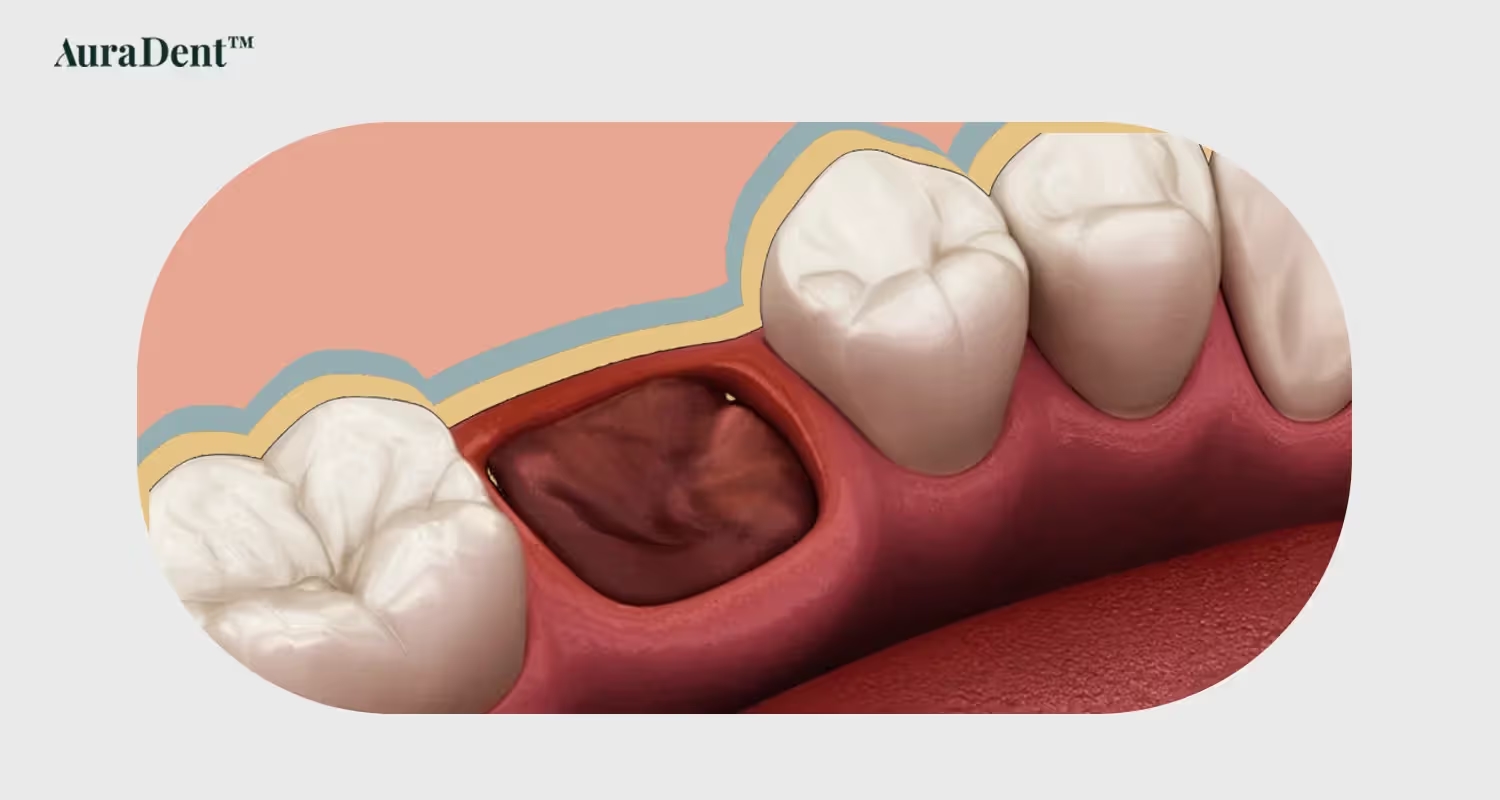
The risk of alveolitis can be significantly reduced with proper aftercare:
- Follow the dentist's instructions carefully after a tooth extraction
- Avoid smoking and alcohol, especially during the first few days
- Eat soft and cool foods for the first few days
- Maintain good oral hygiene but avoid brushing directly over the wound
- Drink water often to keep mucous membranes moist
When should you contact a dentist?
Contact your dentist if you experience:
- Severe pain that does not improve
- Fever or chills
- Pus formation or significant swelling
- Visible bone in the tooth socket
- Pain that worsens after day 3–4
Early intervention reduces the risk of complications such as spreading infection or osteomyelitis.
Summary
Alveolitis is the most common complication after tooth extraction and is characterized by intense pain when the blood clot in the tooth socket is missing. The condition is often confused with infection after tooth extraction but differs in its typical appearance and pain profile. In addition to severe pain, patients may experience bad breath, an unpleasant taste in the mouth, and visible bone in the wound. If not treated in time, the symptoms can worsen and prolong the healing process.
By recognizing the symptoms early and seeking dental care, you can reduce the risk of complications, speed up recovery, and improve your oral health in the long term.
Are you worried about symptoms of alveolitis or infection after a tooth extraction? Book an appointment at AuraDent™ for professional help and safe treatment.
FAQs