
- Dental Hygiene
Can the dentist tell if I don't floss? The signs you should know about

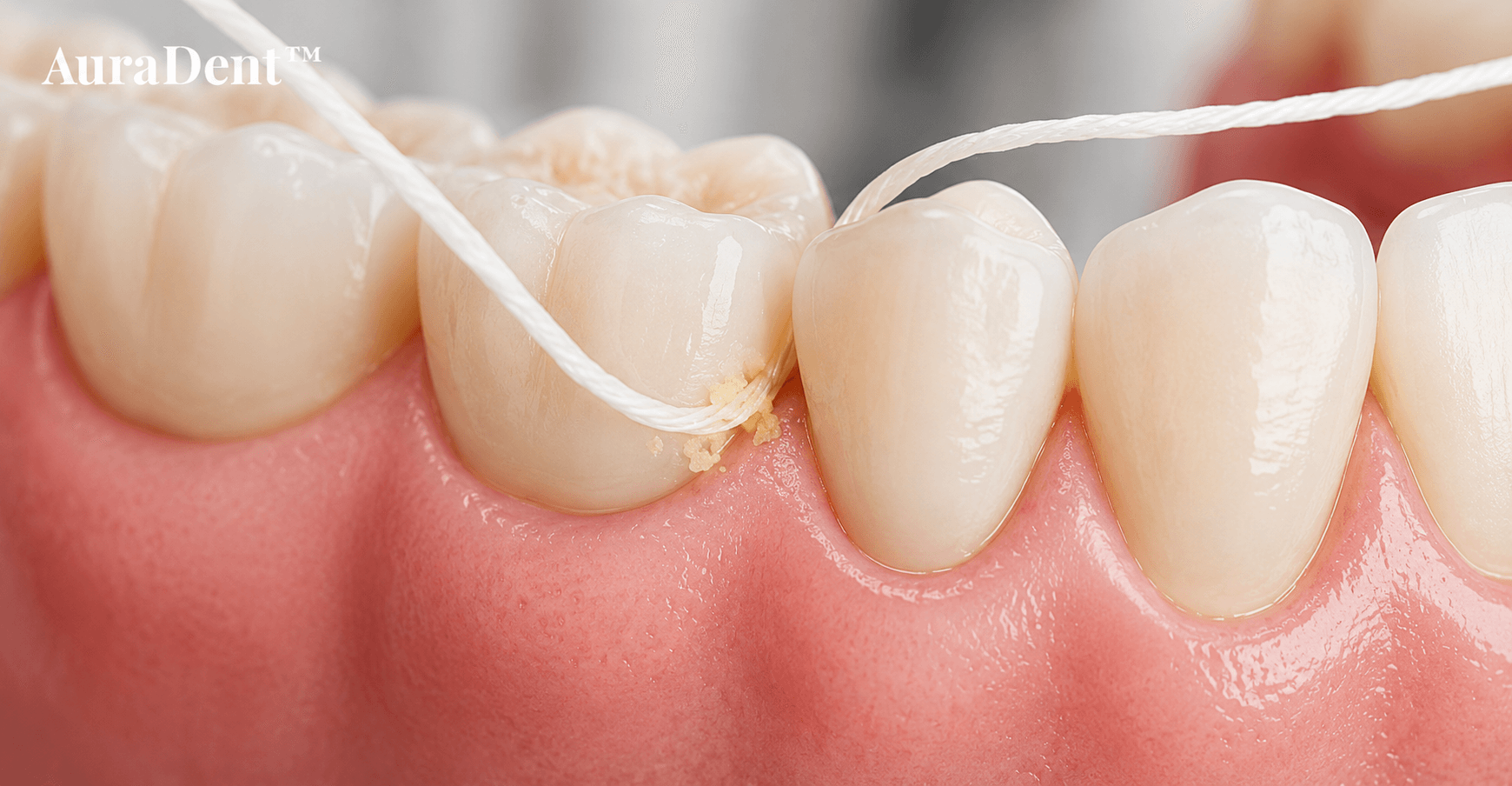
Many people wonder whether the dentist can actually tell if you skip flossing. The answer is simple: yes, they can. An experienced dentist only needs a few seconds to detect the traces of missed cleaning between your teeth. Plaque, tartar, and inflamed gums tell more than you think. Flossing is a small habit that makes a huge difference. It's not just about clean teeth, it's about preventing inflammation, bad breath, and future dental problems. Here we go through exactly what the dentist sees, why flossing is so important, and how to do it correctly.
Key Points in Brief
- Dentists can quickly tell if you don't floss through signs such as plaque, bleeding gums, and bad breath.
- Daily flossing prevents inflammation, gum disease, and discoloration.
- Proper technique is crucial, use about 45 cm (18 inches) of floss and clean gently under the gum line.
- Alternatives such as interdental brushes and water flossers can be good complements for hard-to-reach areas.
- Regular cleaning and dental visits contribute to healthier gums and a long-lasting smile.
Five Clear Signs That Reveal You Don't Floss
Dentists and dental hygienists are trained to recognize the smallest signs of inadequate cleaning. If you think it doesn't show, think again, because your mouth tells everything.
1. Plaque and tartar between the teeth
Plaque is a thin, sticky bacterial film that cannot be completely removed by brushing alone. When left in place, it turns into hard tartar that can only be removed by a dental hygienist. This is the first sign the dentist sees when flossing has been neglected.
2. Red and swollen gums
Healthy gums should be pale pink and firm. When bacteria accumulate along the gum line, irritation occurs, making the gums red, swollen, and tender. The dentist can see this at first glance.
3. Bleeding gums during examination
If your gums start to bleed when the dentist uses a small probe to check the pockets around your teeth, it is a clear sign that you are not cleaning between your teeth regularly. Healthy gums should not bleed easily.
4. Deeper gum pockets
Chronic inflammation can cause the gums to recede and form pockets where bacteria thrive. Your gum measurement says a lot about how well you have been cleaning. The deeper the pockets, the greater the need for an improved flossing routine.
5. Discoloration and bad breath
When food debris and bacteria become trapped between the teeth, an unpleasant odor develops that does not go away with brushing. The dentist notices it immediately, and often you do too.
Do you want to know how often you should actually use dental floss to keep your gums healthy and avoid problems such as plaque and inflammation? Read our article "How Often Should You Use Dental Floss? Complete Guide" where we go through exactly how to create a sustainable and effective flossing routine for long-term oral health.
Why Is Flossing So Important?
Skipping floss is not just about aesthetics. It affects your entire oral health. Regular cleaning between the teeth prevents cavities, gum inflammation, and ultimately gum disease.
Furthermore, the bacteria that cause inflammation in the mouth can affect your overall health. Studies show a connection between gum disease and cardiovascular problems, diabetes, and other chronic conditions. A simple habit that takes two minutes a day can thus protect your entire body.
How to Use Dental Floss Correctly
It is not enough to just quickly pull the floss between your teeth. Do the following for the best results:
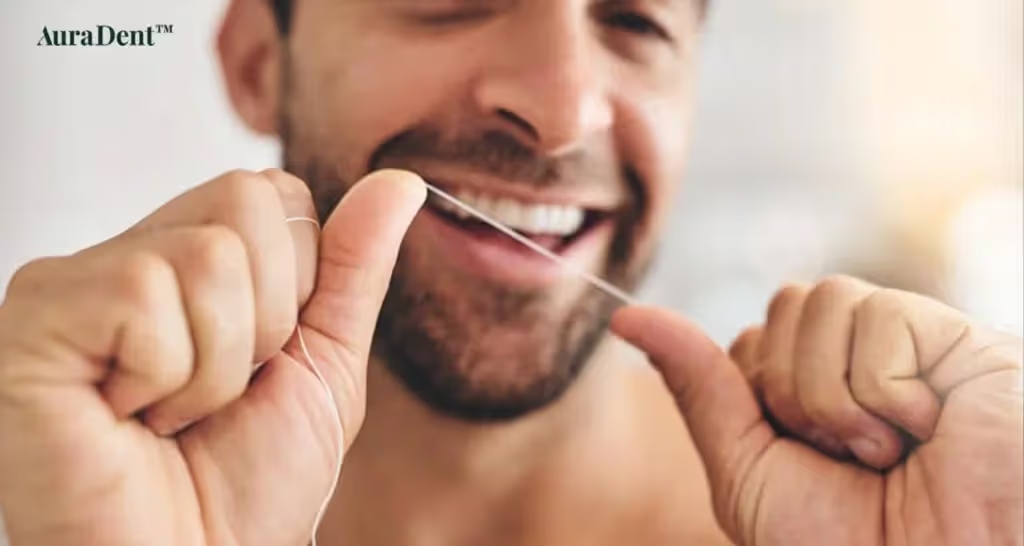
- Cut approximately 45 centimeters (18 inches) of dental floss.
- Wrap the ends around your index or middle fingers.
- Gently guide the floss between your teeth.
- Curve it into a C-shape around the tooth and move it up and down along the tooth surface and gum line.
- Use a clean section of floss for each gap.
For people with tight spaces or limited mobility, alternatives such as interdental brushes and water flossers work just as well.
Do you want to know why flossing is so crucial for healthy gums and how it affects your overall oral health? Read our article "Is Flossing Important? The Big Guide to Healthy Gums" where we explain the connection between flossing, gum problems, and long-term dental health.

Alternatives to Dental Floss
If regular dental floss feels complicated, there are several modern aids that make cleaning easier:
- Interdental brushes: Perfect for larger gaps and implants.
- Dental sticks: Convenient during meals but do not replace daily flossing.
- Water flossers: Use a water jet to flush away plaque and bacteria, particularly useful for braces.
Conclusion
Can the dentist tell if you don't floss? Yes, they can, and they notice faster than you think. Signs such as plaque, inflammation, tartar, and even light bleeding directly reveal how carefully you care for your oral health. The good news is that it is never too late to start building new habits.
By flossing daily, you can improve both your oral health and your overall well-being. After just one week, most people notice that their gums feel healthier, their breath becomes fresher, and their smile feels stronger. Small steps every day make a big difference for the future.
At AuraDent™, we help you create a personalized plan for your oral health, based on modern dentistry and individual needs. Book a free consultation today and let our team show you how simple and effective daily dental care can be. Your smile is our passion, and your health is our responsibility.
FAQs