
- Dental Hygiene
How Often Should You Floss? A Complete Guide

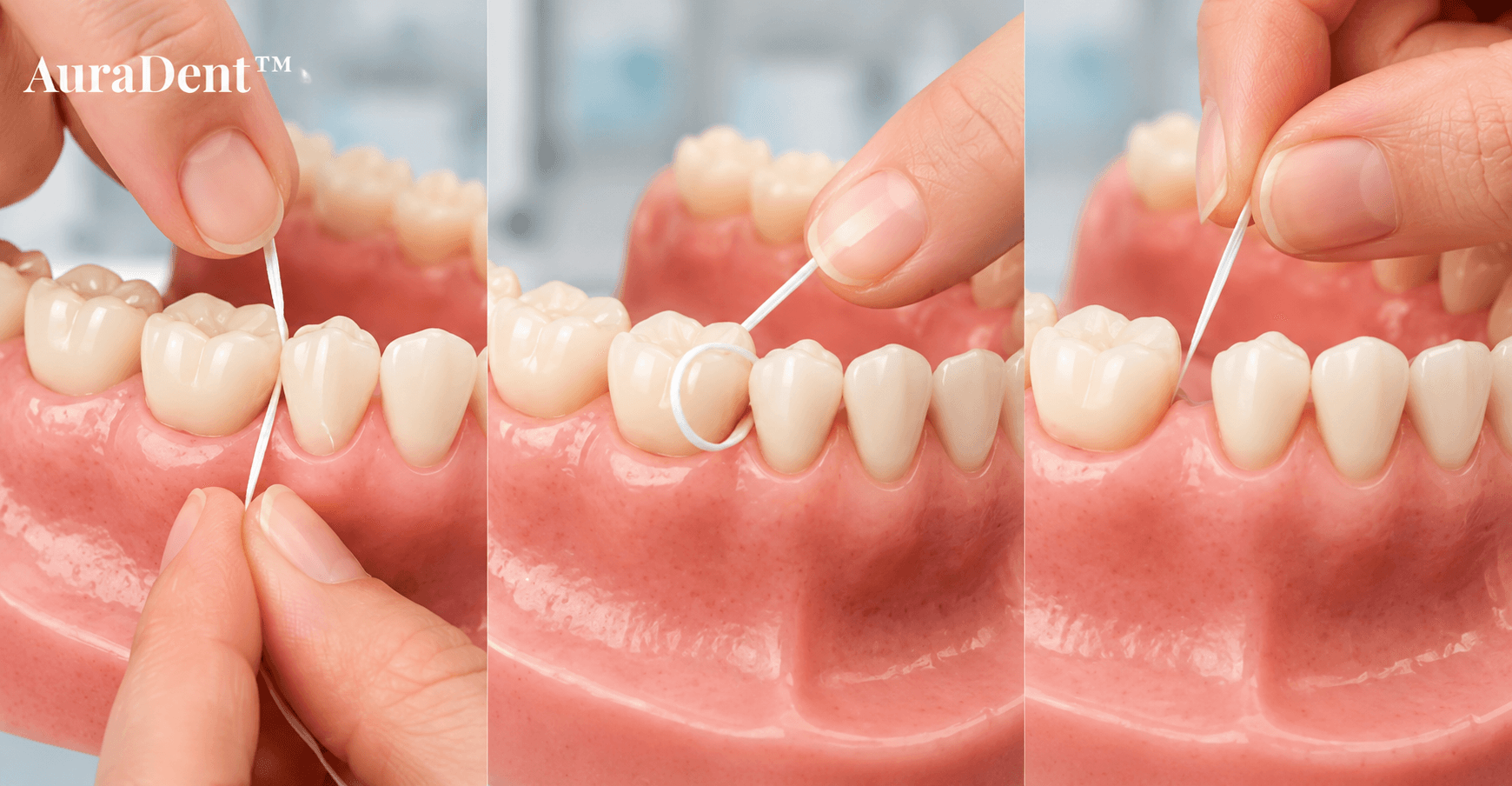
Understanding how often to use dental floss is crucial for maintaining both dental health and healthy gums. Even though brushing is a natural part of our daily routine, many people underestimate the importance of dental floss. This guide explains why daily flossing is important, how to do it correctly, and what actually happens when you skip it.
Key Points in Brief
- Dentists recommend using dental floss at least once a day.
- Floss removes bacteria and plaque where the toothbrush cannot reach.
- Proper technique reduces the risk of cavities, gum inflammation, and bad breath.
- Skipping floss for several days increases the risk of gum disease.
- A daily flossing routine is a simple path to long-term oral health.
Why Is Daily Flossing So Important?
Daily flossing is a fundamental part of good oral hygiene. The toothbrush only cleans about 60 percent of the tooth surfaces. The remaining 40 percent – the spaces between the teeth – require floss to become completely clean.
Without regular use, plaque forms – a sticky bacterial film that can lead to cavities and gum inflammation. By flossing every evening before bed, you reduce the risk of bleeding gums, bad breath, and future dental problems.
If you want to understand more about what causes bad breath and how to treat it effectively, you can read the article "Bad Breath: Causes, Home Remedies, and Treatment."

How to Use Dental Floss Correctly : Step by Step
Knowing how to use dental floss correctly is just as important as doing it regularly. Here are the dentist's steps for effective cleaning:
- Take about 40–45 centimeters (16–18 inches) of dental floss and wrap the ends around your middle fingers.
- Use your thumbs and index fingers to guide the floss gently between your teeth.
- Curve the floss into a C-shape against the tooth surface and move it up and down a few times.
- Use a clean, fresh section of floss between each tooth.
- Rinse your mouth afterward to remove loosened bacteria and plaque.
If you have sensitive gums, start gently. Over time, the gums will become stronger and less prone to bleeding.
If you want to read more about morning routines and how to optimize your brushing technique, you can visit the article Brush your teeth before or after breakfast.

How Often Should You Use Dental Floss for Special Needs?
People with braces, bridges, or implants often need to adapt their flossing routine. It can be more difficult to reach between the teeth, and therefore there are special aids that make cleaning easier. Floss with stiffened ends, floss holders, or interdental brushes can make it possible to reach even the most hard-to-access surfaces.
For patients using aligners or Invisalign aligners, it is particularly important to clean the spaces thoroughly before inserting the aligner. By keeping these areas free of plaque, you reduce the risk of gum inflammation and bad breath.
If you want to learn more about how to strengthen and protect your gums in the long term, you can read the article "Healthy Gums: Prevent Gum Disease and Keep Your Mouth Healthy."
Conclusion
Regular flossing is one of the most effective habits for maintaining a healthy smile and strong teeth. Understanding how often to use dental floss and making it a natural part of your evening routine reduces the risk of plaque, cavities, gum inflammation, and bad breath.
By combining daily flossing with thorough brushing, you strengthen both teeth and gums and lay the foundation for long-term oral health. Small daily routines make a big difference for future results.
If you want personal advice and help improving your oral care routine, you are warmly welcome to book a free consultation at AuraDent. Our dentists will help you create a sustainable plan for a healthy, strong, and confident smile.
FAQs