
- Dental Hygiene
Is Flossing Important? The Ultimate Guide to Healthy Gums

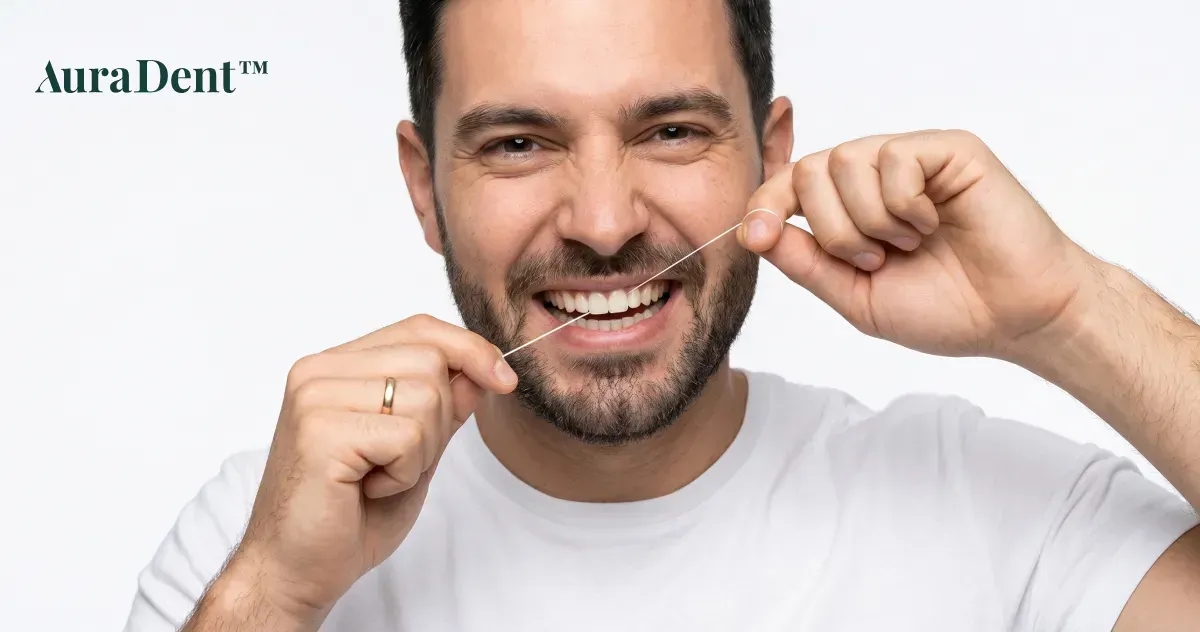
The question "Is flossing important?" is often asked by patients who already brush their teeth carefully twice a day. However, the toothbrush does not clean between the teeth, where bacteria easily get trapped. Up to 40 percent of the tooth surfaces remain uncleaned without floss, making flossing a necessary part of a complete oral care routine.
Key points in brief
- Understanding why flossing is important helps you develop better oral care habits.
- Floss removes bacteria and plaque where the toothbrush cannot reach.
- Daily use reduces the risk of cavities, gum inflammation, and bad breath.
- Research shows that good oral health can contribute to better cardiovascular health.
- Regular flossing is a simple investment in a healthier life and stronger gums.
Why is flossing important for oral health?
Using dental floss is crucial for keeping gums healthy and teeth clean. Plaque between the teeth can quickly develop into tartar, leading to gum irritation and inflammation. This inflammation, known as gingivitis, is the most common cause of gum disease and can lead to gum recession if not treated in time.
Furthermore, research shows that poor oral health can affect the entire body. People with gum disease have a higher risk of cardiovascular disease, diabetes, and lung disease. Therefore, daily flossing not only contributes to a healthier mouth but also to better overall health.

How to use dental floss correctly
Knowing how to use dental floss correctly is just as important as doing it daily. Follow these steps for the best possible results:
- Take approximately 45 centimeters (about 18 inches) of floss and wrap the ends around your middle fingers.
- Hold the floss taut between your thumbs and index fingers, and gently guide it between your teeth.
- Curve the floss around the tooth surface into a C-shape and pull it up and down along the tooth.
- Also clean below the gum line, where plaque often collects.
- Use a fresh section of floss for each gap and discard it after use.
If you have difficulty reaching the back teeth, floss holders or floss picks can be helpful. For patients with braces, bridges, or implants, there are special flosses with stiff ends that make cleaning easier.
Is it important to floss before or after brushing?
A common question is whether floss should be used before or after brushing. Dentists recommend using floss before brushing to remove plaque and bacteria before you apply fluoride from the toothpaste. This allows the fluoride to reach between the teeth and protect areas that the toothbrush would otherwise not access.
Flossing after brushing is not harmful, but you do not get the same effect from the fluoride's protective action. By starting with floss every evening, you achieve a cleaner mouth and stronger gums.
For more guidance on morning routines, you can read the article Brush your teeth before or after breakfast? Here is the dentist's answer.
How often should you use dental floss?
Dentists recommend that you use dental floss at least once a day, preferably in the evening before you go to bed. That way, you have time to remove plaque and food debris that have accumulated during the day and prevent bacterial growth overnight.
If you skip flossing for just a few days, plaque begins to form again, which can cause inflammation and bad breath. Regular use is therefore the key to keeping your gums healthy and your smile radiant.
Do you want to read more about how often you should use dental floss? Discover expert recommendations in the article How Often Should You Use Dental Floss? Complete Guide.
Which type of dental floss suits you best?
There are several different types of dental floss that suit different needs:
- Waxed floss: Glides easily between the teeth and suits most people.
- Unwaxed floss: Provides more friction and removes plaque effectively but can be more difficult to use.
- PTFE floss: Very thin and suitable for tight spaces between teeth.
- Floss picks: Practical for quick use or for children.
- Water flossers: Perfect for people with braces or sensitive gums.
Your dentist can help you choose the method and product that best suits your mouth and your needs.
Common problems and solutions when flossing
When you start using floss, it is common to experience minor issues such as bleeding or hard-to-reach teeth. These problems often disappear with the right technique and a little patience. With small adjustments, flossing quickly becomes a simple and effective part of your daily routine.
My gums bleed when I floss
Bleeding when flossing is common in the beginning and is often due to inflammation. Continue gently every day, and the bleeding will decrease after one to two weeks. If it does not improve, contact your dentist for a check-up.
I have difficulty reaching my back teeth
If it is hard to reach the back of the mouth, you can use floss picks or specialty floss. These tools make cleaning easier and help keep your entire mouth clean.
I have braces, bridges, or implants
Use floss threaders or Super Floss, which are designed to reach under bridges and around brackets. Regular use prevents bacteria from accumulating where the toothbrush cannot reach.
Common myths about flossing
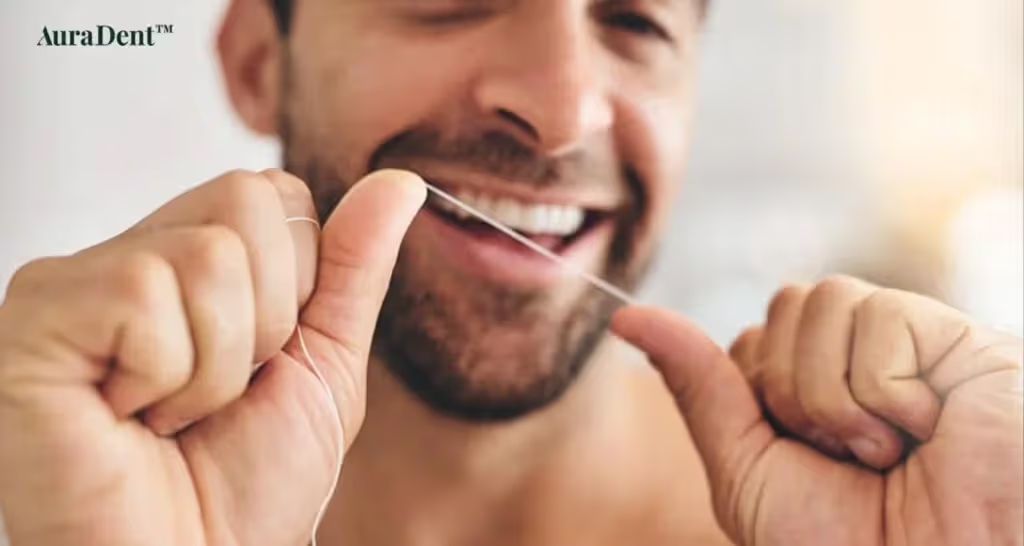
There are many misconceptions surrounding the use of dental floss. Some believe that brushing is enough, while others avoid flossing due to fear of irritation or discomfort. Knowing the truth behind these myths makes it easier to create an effective and safe oral care routine.
Myth 1: I don't need to floss if I brush thoroughly
The toothbrush only cleans the tooth surfaces, not the gaps where bacteria often hide. Floss is therefore indispensable for complete cleaning.
Myth 2: If I don't feel any discomfort, I don't need to floss
Many gum diseases begin without symptoms. By flossing daily, you prevent problems before they become noticeable.
Myth 3: I can use the same piece of floss multiple times
Reusing floss brings bacteria back into the mouth and increases the risk of infection. Always use a new piece each time.
Conclusion
So, is flossing important? Yes, it is one of the most crucial habits for good oral health. Floss helps keep teeth and gums healthy, prevents inflammation, and strengthens protection against cavities.
Flossing takes only a few minutes each day but provides long-lasting results. It is a simple habit that contributes to a healthy, strong, and confident smile.
Do you want personal advice on how to improve your oral hygiene? Book a free consultation at AuraDent and let our dentists help you create a routine that suits you.
FAQs