
- General Dentistry
Congratulations on your Invisalign treatment! A guide to retainers

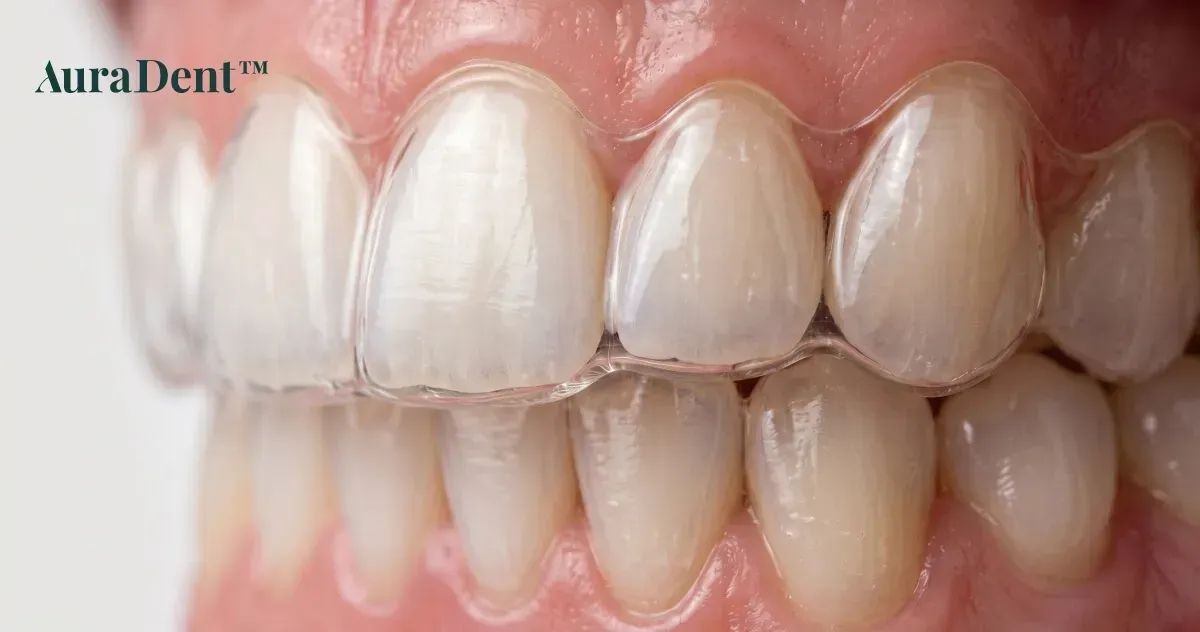
Don't stop after Invisalign treatment! This guide covers everything you need to know about retention after Invisalign, including types, cleaning, and more!
Congratulations! You have completed your Invisalign treatment, but what actually happens after Invisalign treatment? The journey toward a lasting smile does not end here. Like all other orthodontic treatments, Invisalign requires a dedicated aftercare routine to ensure that your teeth remain perfectly aligned.
This guide provides you with all the necessary information you need to navigate the post-Invisalign phase and maintain your beautiful smile for many years to come.
The Invisalign Journey and Beyond
Invisalign is a revolutionary system of clear aligners that straighten teeth discreetly and comfortably. As an invisible alternative to traditional braces, Invisalign uses a series of clear, custom-made aligners that gradually move your teeth into the desired position. In addition to general orthodontics, Invisalign is used for a range of other dental issues such as overbite, underbite, crowding, crossbite, and gaps between teeth.
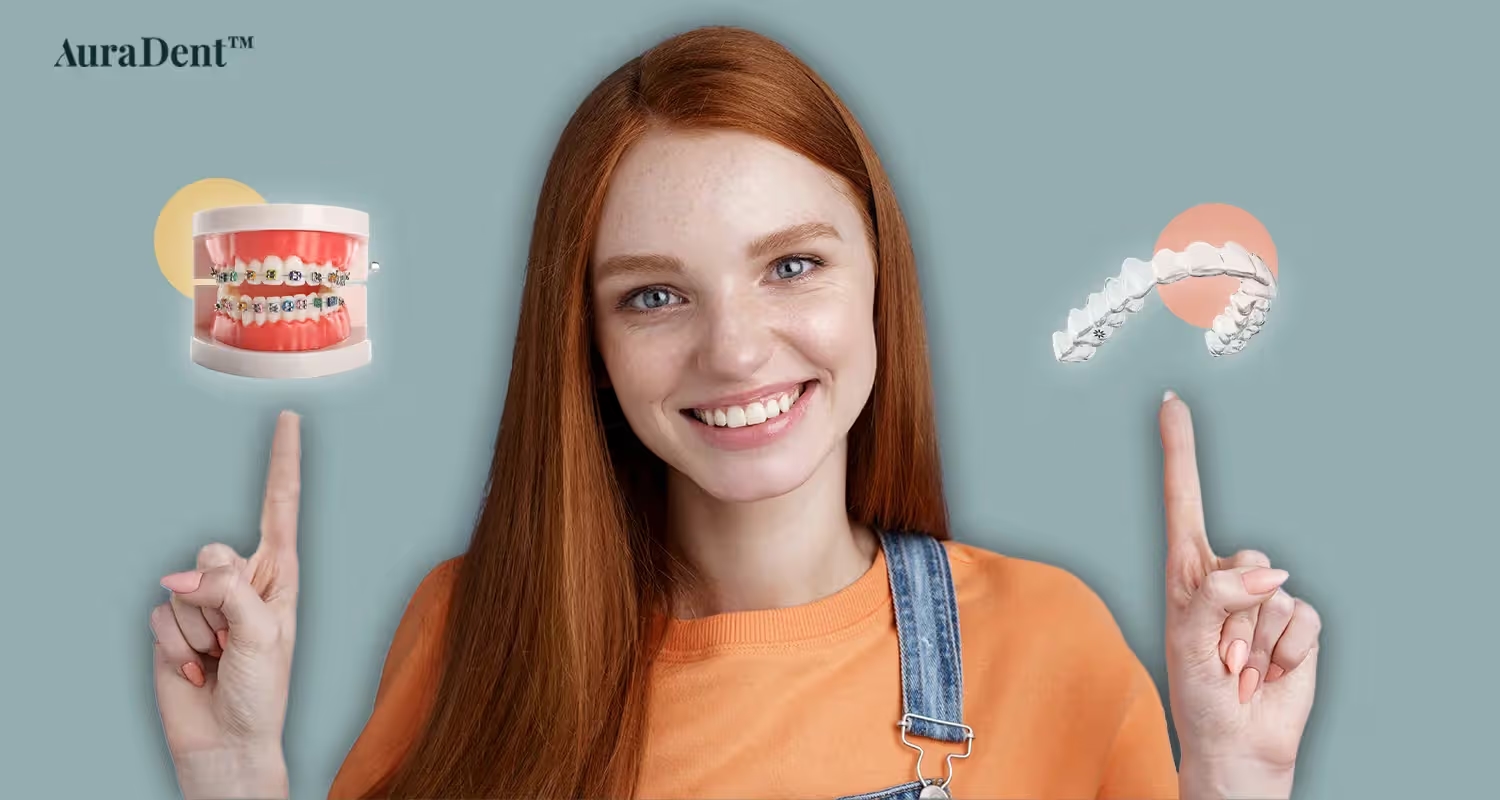
Even though the treatment itself can be life-changing, neglecting proper aftercare can cause teeth to shift back, potentially undoing all your hard work.
Securing Your Smile: Why Retainers Are Important
The key to maintaining your perfect smile after Invisalign treatment lies in retainers. These custom-made appliances hold your teeth in their new positions and prevent them from gradually moving back to their original places. This is because the bone around your teeth needs time to stabilize again around the teeth's new positions. Retainers serve as a crucial support system during this critical period.
Finding the Right Type: Exploring Retainer Options
There are two main types of retainers: fixed and removable. Fixed retainers are thin metal wires bonded to the back of the teeth, usually on the lower front teeth. They offer long-term stability but require regular cleaning to prevent plaque buildup. Removable retainers, on the other hand, are clear plastic aligners that resemble your last set of Invisalign aligners and are called Vivera retainers. They offer more flexibility but require a disciplined usage schedule.
Fixed Retainers
These are a good option for individuals who may forget to use removable Vivera retainers. However, they require more frequent dental visits for cleaning, are made of metal, and may require a follow-up visit to the dentist if they come loose.
Removable Retainers
These offer more freedom and are easier to clean. However, consistent use is crucial to prevent teeth from shifting. Depending on your dentist's recommendation, you may wear them full-time initially, followed by nighttime-only use for long-term maintenance.
If you are interested in Invisalign, you can book a free consultation with AuraDent's friendly and professional staff!
Choose the Best Retainer for You
There is no one-size-fits-all solution for retainers. The best choice depends on your lifestyle, how good you are at following routines, and your personal preferences. Consider the following factors:
- Your lifestyle: If you are active in sports or play musical instruments, removable retainers may offer more flexibility.
- How forgetful you are: If you easily forget things, fixed retainers may be a better option.
- Your budget: Fixed retainers typically require fewer replacements but may involve additional costs for cleaning at the dentist.
Your dentist will ultimately be able to guide you toward the best type of retainer based on your individual needs and provide detailed instructions for proper use and care.
Wearing Your Retainers: A Schedule for Stability
The recommended wear time for your Vivera retainers will vary depending on your specific treatment plan and your dentist's advice. However, a general guideline may be as follows:
- Initial wear time: You may need to wear your Vivera retainers full-time (except during meals and tooth brushing) for several months after completing your Invisalign treatment.
- Nighttime use: After the initial period, you will likely transition to wearing your Vivera retainers only at night for long-term maintenance.
It is crucial to follow your dentist's specific instructions for how long to wear retainers. Inconsistent use can significantly increase the risk of your teeth shifting back.
Maintaining Your Smile: Regular Check-Ups Keep You on Track
Regular follow-up visits with your dentist are crucial for monitoring your progress and ensuring that your retainers are working as they should. During these visits, your dentist will typically do the following:
- Check the fit and condition of your Vivera retainers.
- Examine your teeth for signs of movement or shifting.
- Adjust your retainers if necessary.
These visits are essential to ensure that your smile remains beautiful and to address any issues before they become serious.
Essential Oral Hygiene Routines
Maintaining good oral hygiene is even more important after Invisalign treatment. Food particles and plaque can easily accumulate on both teeth and retainers, which can lead to cavities and bad breath. Here are some important tips for proper hygiene with retainers:
- Brush your teeth thoroughly twice a day with a soft toothbrush and fluoride toothpaste.
- Clean your Vivera retainers daily. You can use a soft toothbrush and mild soap or a special retainer cleaning solution recommended by your dentist. Avoid using harsh chemicals or hot water, as this can damage your retainer.
- Rinse the retainer thoroughly after cleaning and before placing it back in your mouth.
Allowed Foods and Drinks: Diet Changes for Retainers
Although you can finally enjoy all your favorite foods after Invisalign treatment, there are some dietary changes to consider when wearing retainers.
- Always remove your Vivera retainers before eating: This prevents them from being damaged or discolored by food.
- Avoid hard foods: These can damage or crack your fixed retainer. Examples include hard candies, nuts, and raw vegetables.
- Be cautious with sticky foods: Sticky candies and fruits can get stuck on your Vivera retainers if left in the mouth and can be difficult to remove. If you do eat with them in, be sure to clean your retainers thoroughly afterward.
Adjusting to Life After Invisalign: Potential Discomfort and Solutions
It is normal to experience some temporary discomfort when you first start wearing your Vivera retainers. This is because your teeth are adjusting to their new positions. Here are some tips for managing this discomfort:
- Use pain relievers: Over-the-counter pain relievers such as paracetamol can help alleviate any initial discomfort.
- Wear your retainers for shorter periods initially: If the discomfort is significant, talk to your dentist about wearing your Vivera retainers for shorter periods at first and gradually increasing wear time.
Beyond Treatment: Lifestyle Factors for Retainer Users
If you participate in activities that involve contact or blows to the mouth, additional precautions are needed to protect your retainers. Let's go through them:
- Sports: Use a mouthguard during contact sports to protect both teeth and retainers from injury.
- Playing instruments: If you play instruments that require you to hold a mouthpiece against your teeth, discuss alternative solutions with your dentist or instrument teacher.
Conclusion
Following a dedicated aftercare routine is crucial for ensuring long-term results with your Invisalign treatment. By consistently wearing your Vivera retainers, maintaining good oral hygiene, and attending regular dental check-ups, you can preserve your beautiful smile for many years to come. Remember that a small effort goes a long way in keeping your confident smile radiant for the rest of your life.