
- Cosmetic Tips
- General Dentistry
Invisalign for Gaps Between Teeth: Close the gaps and achieve a harmonious smile

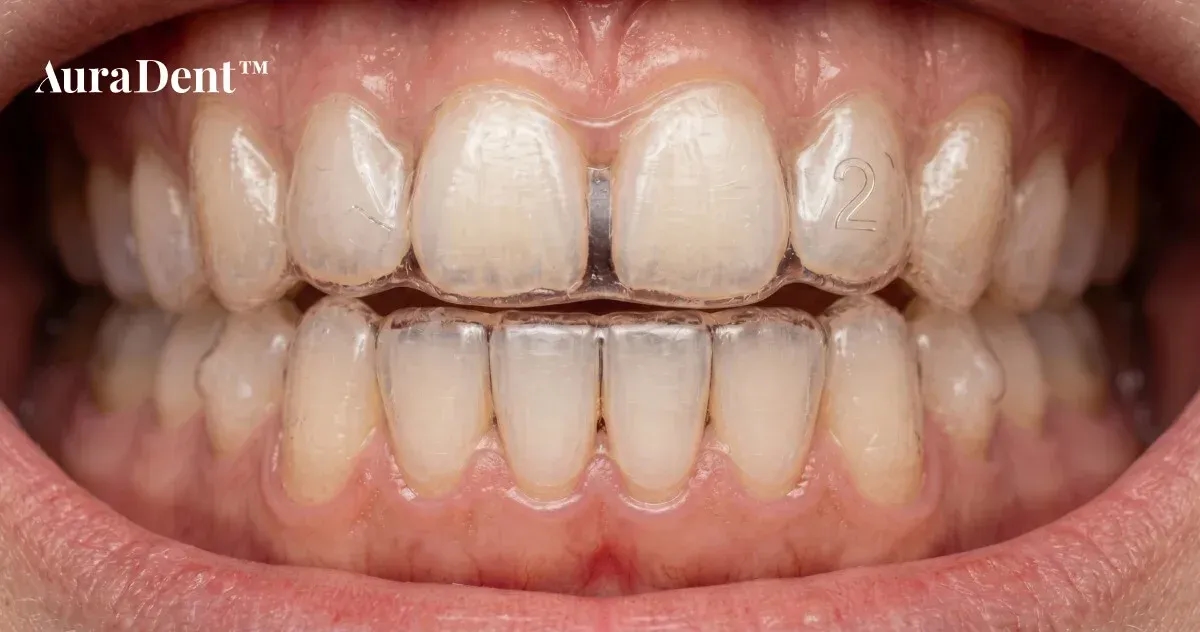
Have you noticed a gap between your teeth that affects your smile or confidence? You are far from alone. Tooth gaps, also known as diastema, are very common and can occur for several reasons, ranging from genetics and tooth loss to bite irregularities. The good news is that modern dentistry offers a discreet and effective solution: Invisalign for tooth gaps.
In this guide, you will learn exactly how Invisalign can close gaps, what results you can expect, and why more and more people are choosing this treatment for a smoother, healthier smile.
Key Points at a Glance
• Invisalign for tooth gaps is a discreet and effective method for closing spaces without traditional braces.
• The treatment works for both small and larger gaps, depending on tooth position and bone support.
• Results depend on consistent aligner wear and a careful treatment plan.
• A digital 3D scan (iTero) shows the expected result even before treatment begins.
• Regular check-ups ensure optimal tooth movement and a stable, long-lasting result.
What Causes Tooth Gaps?
A gap between the teeth can have several underlying causes. For some, it comes down to genetics, while others develop gaps due to lifestyle factors or lost teeth. Common causes include:
• Genetics: Hereditary differences in tooth size and jaw width can create natural gaps.
• Missing teeth: When a tooth is missing, adjacent teeth tend to shift.
• Thumb sucking or tongue thrusting: Habits during childhood can affect tooth positioning.
• Periodontitis: Bone loss from gum disease can lead to loose teeth and increased gaps.
Understanding the cause is the first step toward a tailored and successful treatment with Invisalign for tooth gaps.
Explore more: Invisalign and Oral Health: Factors to Consider, Learn how existing gum or jaw joint issues can affect your treatment.

Are you a candidate for Invisalign for tooth gaps?
Most people with gaps between their teeth can be treated with Invisalign, but suitability depends on the size of the gap, the stability of the teeth, and overall oral health.
If the gap is due to tooth loss or active gum disease, another treatment is often required before Invisalign can begin. For mild to moderate gaps, Invisalign can often deliver excellent results in just a few months.
To determine if you are a good candidate, a free consultation at AuraDent is offered. During the visit, a digital iTero scan is performed, showing what your future smile could look like before you even start treatment.
How does Invisalign work for tooth gaps?
Invisalign uses a series of custom-made, clear aligners that gradually move your teeth into the desired position. Each aligner is worn for about one to two weeks before being replaced by the next in the series.
The treatment is based on digital planning, which means every movement of the tooth is predetermined to achieve a precise final result. When it comes to tooth gaps, the aligners focus on gradually bringing the teeth together without damaging the bone or gum structure.
For the best results, you need to wear your aligners 20–22 hours per day and carefully follow your dentist's instructions.
How long does it take to close tooth gaps with Invisalign?
Treatment time varies depending on the size and complexity of the gap, but most patients see clear results within 3 to 9 months. Smaller gaps can be corrected in a shorter time, while larger gaps may take up to a year.
The dentists at AuraDent use advanced iTero 5D scanning to plan your treatment and provide you with a realistic timeline based on your specific case.
Read more: How long do you wear braces? A dentist explains. Get a clear understanding of how long treatment typically takes and which factors affect the result.
Benefits of Invisalign for Tooth Gaps
Choosing Invisalign over traditional braces offers several important advantages:
- Discreet treatment: The clear aligners are nearly invisible.
- Comfortable to wear: No metal brackets or wires that irritate the gums.
- Removable aligners: You can eat, drink, and clean your teeth without any hindrance.
- Improved oral hygiene: Since the aligners are removed for cleaning, the risk of plaque and cavities is reduced.
- Fast results: Many experience visible improvements after just a few weeks.
Read also: Invisalign and Oral Health, Factors to Consider for Patients with Existing Issues to understand how the treatment affects your overall oral health.
Maintenance and Oral Care During Treatment
Keeping your teeth and aligners clean is crucial for a successful outcome. Here are some important routines to follow:
- Brush your teeth after every meal before reinserting the aligners.
- Clean your aligners with a soft toothbrush and lukewarm water.
- Avoid hot drinks while wearing the aligners, as heat can deform the plastic.
- Always store your aligners in their case when you are not using them.
By following these simple steps, you protect both your teeth and the results of your Invisalign for tooth gaps treatment.
Conclusion: A Confident Smile Starts with the Right Plan
Invisalign for tooth gaps offers a modern, comfortable, and aesthetically pleasing solution for those who want to close gaps and achieve a harmonious smile. Through careful planning, regular follow-ups, and good oral hygiene, you can expect lasting results that improve both function and appearance.
Want to know if Invisalign is the right solution for you? Book a free consultation at AuraDent today and let our specialists show you how you can go from tooth gaps to a beautiful, even smile.
FAQs