
- General Dentistry
Invisalign for Underbites: A Discreet Solution for a Harmonious Smile

Key Points in Brief
- Invisalign for underbite offers a discreet and comfortable method for correcting bite irregularities.
- Treatment time varies, but most patients see results within 6 to 12 months.
- The aligners are removable, making it easy to eat, brush your teeth, and maintain good oral hygiene.
- For more severe underbites, Invisalign can be combined with other orthodontic methods or surgery.
- Regular follow-up and consistent use of the aligners are key to a stable and long-lasting result.
What Is an Underbite?
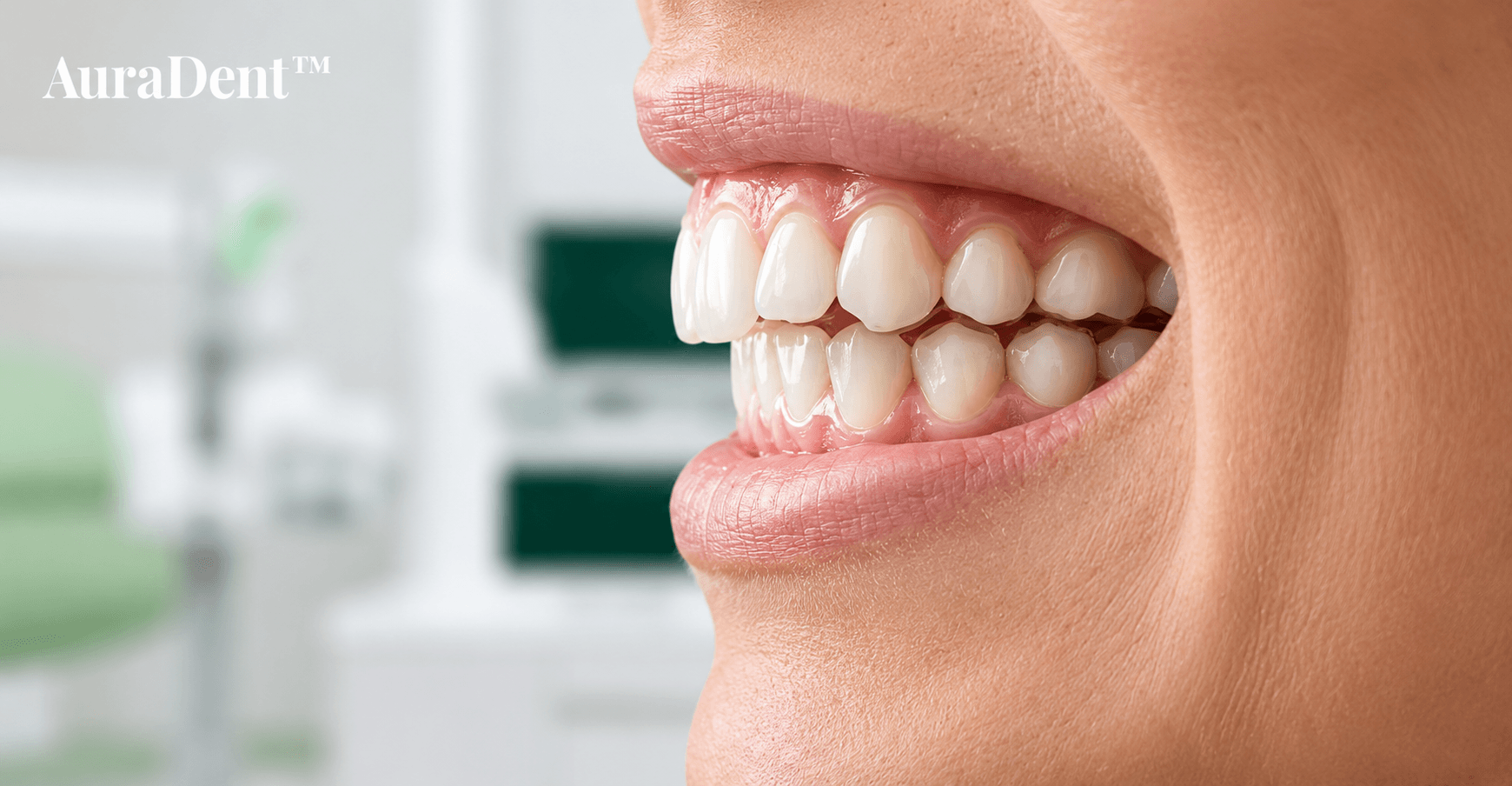
An underbite occurs when the lower jaw protrudes forward in front of the upper jaw. This causes the lower front teeth to bite in front of the upper teeth, which can lead to functional and aesthetic problems.
Common causes of underbite include:
- Genetic factors affecting jaw shape
- Childhood habits such as thumb sucking or tongue thrusting
- Mouth breathing or unbalanced jaw growth
An untreated underbite can lead to:
- Difficulty chewing and biting food
- Speech problems and lisping
- Jaw pain and headaches
- Wear on teeth and gum issues
- Facial asymmetry
Do you want to delve deeper into the causes and treatments for underbite? Read our article "Underbite: What It Is, Why It Occurs, and How It Is Treated" for a deeper understanding of the problem and the most effective solutions.
Traditional Treatment of Underbite
Historically, underbites have been corrected with traditional braces, often in the form of metal rails or removable appliances. These methods work, but they can be uncomfortable, time-consuming, and affect appearance during treatment.
Treatment time with rails can range from 18 months up to three years. During this period, thorough cleaning, regular check-ups, and a strict diet are required to avoid damage and plaque buildup.

Invisalign for Underbite: A Modern Solution
Invisalign for underbite uses clear, removable aligners that gradually move the teeth into the correct position. Each aligner is typically changed every week, and the treatment is monitored digitally by your dentist.
Advantages of Invisalign:
- Nearly invisible – you can smile freely throughout the entire treatment
- Comfortable – no metal wires or irritation
- Removable – you can eat and brush as usual
- Effective – mild to moderate underbites can be corrected in 6–12 months
Are You a Good Candidate for Invisalign?
Invisalign can treat most cases of underbite in adults and teenagers with fully developed permanent teeth.
The dentist will assess:
- How severe your underbite is
- Whether you have sufficiently healthy gums and strong bone structure
- Your ability to wear the aligners 20–22 hours per day
For very advanced underbites, a combination of Invisalign and surgery may be required to achieve the best result.
If you want to understand what the Invisalign treatment feels like and what you can expect during the process, you can read our article "Is Invisalign Painful? What Should You Expect?" where we go through everything about comfort, adaptation, and how to handle any discomfort during treatment.
Treatment Process Step by Step
- Digital examination: Your dentist performs a 3D scan using iTero 5D technology to create an exact model of your bite.
- Personalized treatment plan: You get to see a digital simulation of how your smile will change during treatment.
- Manufacturing of aligners: Invisalign produces your individually customized aligners.
- Treatment: You change aligners every week and visit the clinic every four to six weeks for follow-up.
- Result: After completed treatment, retainers are used to maintain the result.
After understanding how the Invisalign treatment works step by step, it may be valuable to compare the different treatment options. Read our article "Invisalign Go vs Go Plus vs Comprehensive: Which One Is Right for You?" to find out which system best suits your needs, goals, and treatment time.
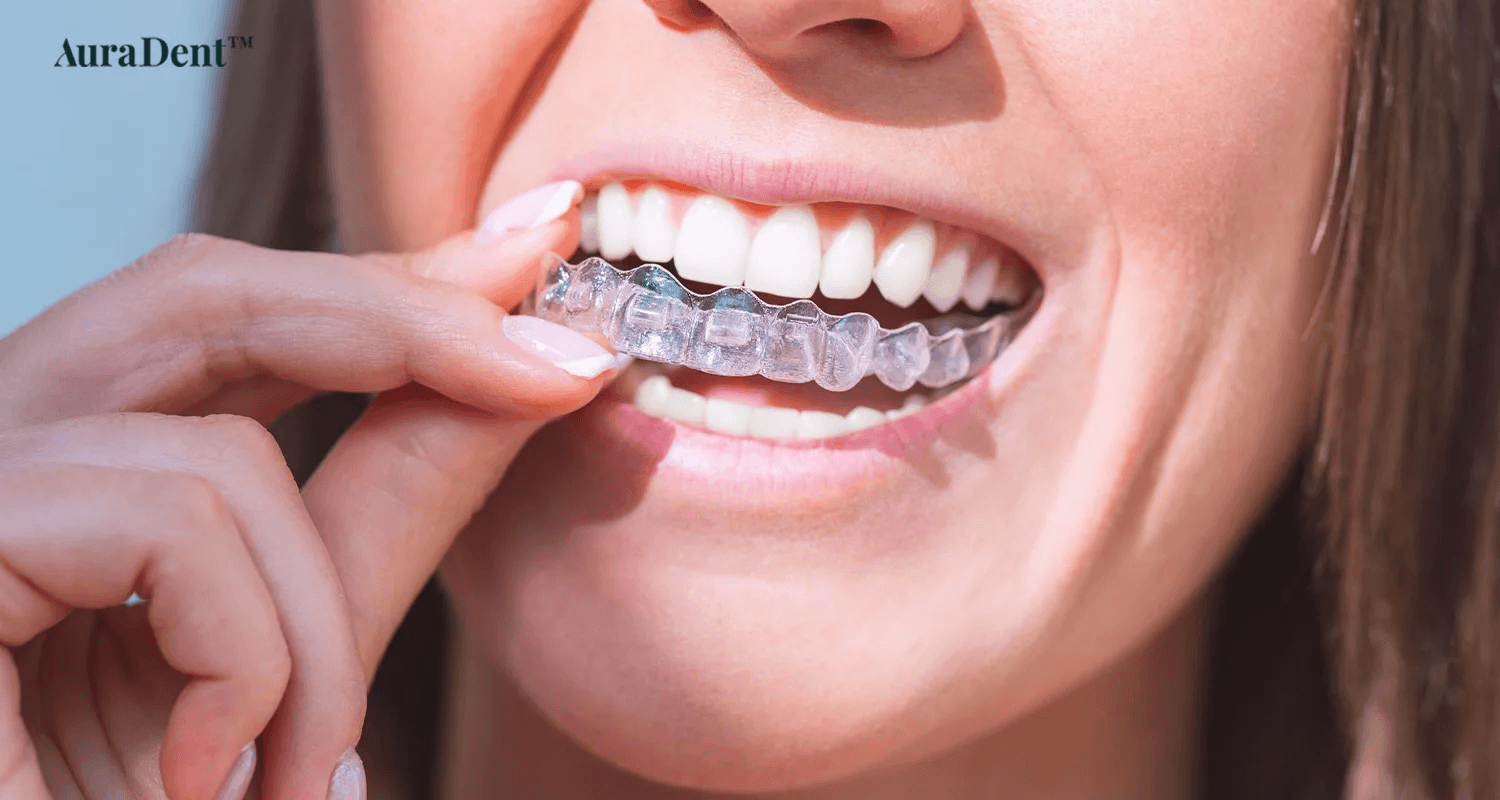
Invisalign for underbite gives you the opportunity to correct bite irregularities discreetly and comfortably, for a straighter and more harmonious smile.
Expected Results and Benefits
Patients who choose Invisalign for underbite experience both aesthetic and functional improvements.
The benefits include:
- Improved chewing function and speech
- Reduced risk of future dental problems
- A harmonious and confident smile
Do you want to see what your future smile could look like? Book a free 3D scan at AuraDent and receive a personalized treatment plan today.
Conclusion
Choosing Invisalign for underbite is a smart and modern way to correct bite irregularities without having to compromise on comfort or appearance. With its clear and custom-made aligners, Invisalign offers a treatment that is both discreet and effective, while improving your oral health and smile in a natural way.
The treatment is particularly well-suited for those who want to correct an underbite but avoid traditional metal braces. Thanks to advanced digital technology, every step of the process can be planned with precision, providing predictable and lasting results.
At AuraDent, we guide you through your entire journey, from the initial consultation to the final result. Our experienced Invisalign specialists create a personalized treatment plan tailored to your needs and your bite.
Book your free Invisalign consultation today and discover how we can help you achieve a harmonious, healthy, and confident smile.
FAQs