- General Dentistry
Crossbite Treatment: Options for Children and Adults

-1.jpg&w=3840&q=100)
Key Points at a Glance
• Crossbites can be effectively treated at any age
• Treatment is easier in children due to the active growth of their jaws
• In adults, treatment may include orthodontics or orthognathic surgery, depending on the severity
• Early diagnosis prevents future complications such as crooked teeth and joint problems
• A professional assessment is crucial for choosing the right method
Treatment of Crossbite in Children
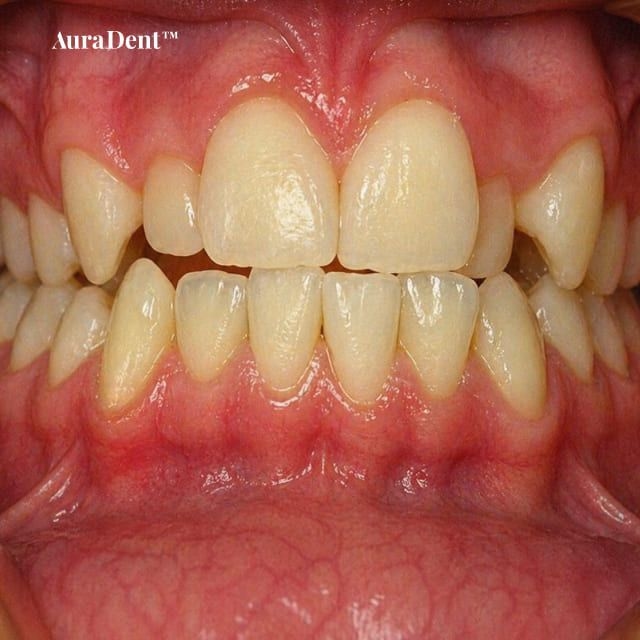
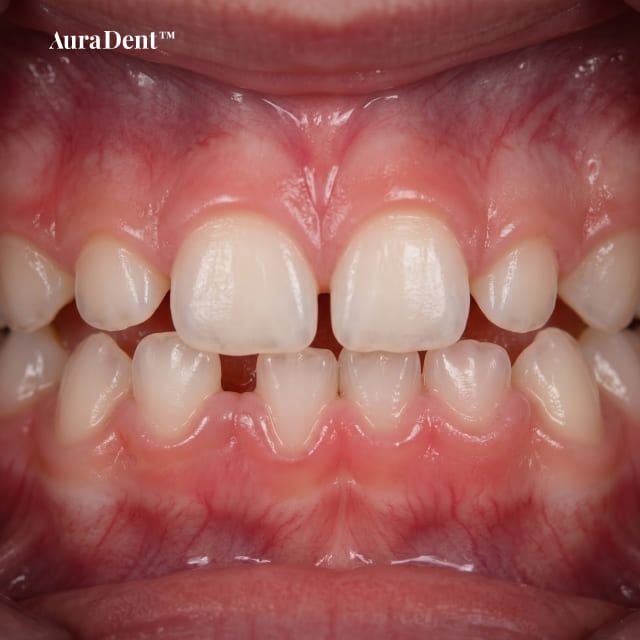
In children, the period between the ages of 7 and 9 is often referred to as the golden growth period, when the jaws are still being shaped. Treating crossbite during this period is therefore both easier and more effective.
The most common treatment is a palatal expander, an orthodontic appliance that gradually widens the upper jaw. Through small, controlled adjustments, the dentist can create space for proper tooth positioning and prevent future problems such as facial asymmetry or crowding.
This method is painless, safe, and provides very stable results when used at the right age.
For more information on how crossbite is treated in children, please read our guide "Crossbite in children," which explains the treatment steps in detail and the importance of early correction
Treatment of Crossbite in Adults
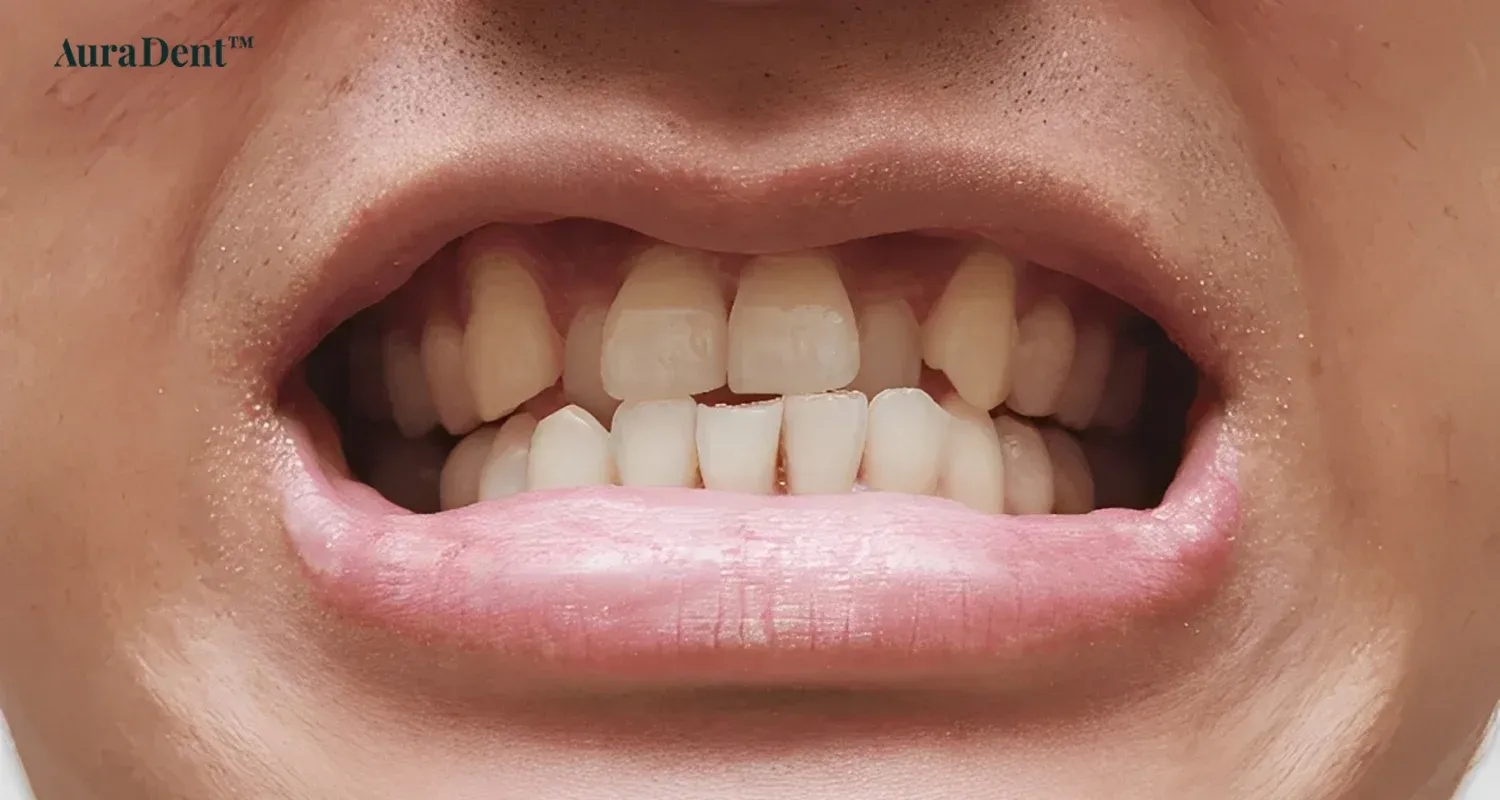
In adult patients, skeletal growth has already been completed, which means treatment requires a different approach. Crossbite treatment in adults is tailored according to whether the condition is dental or skeletal in nature.
Orthodontic Treatment
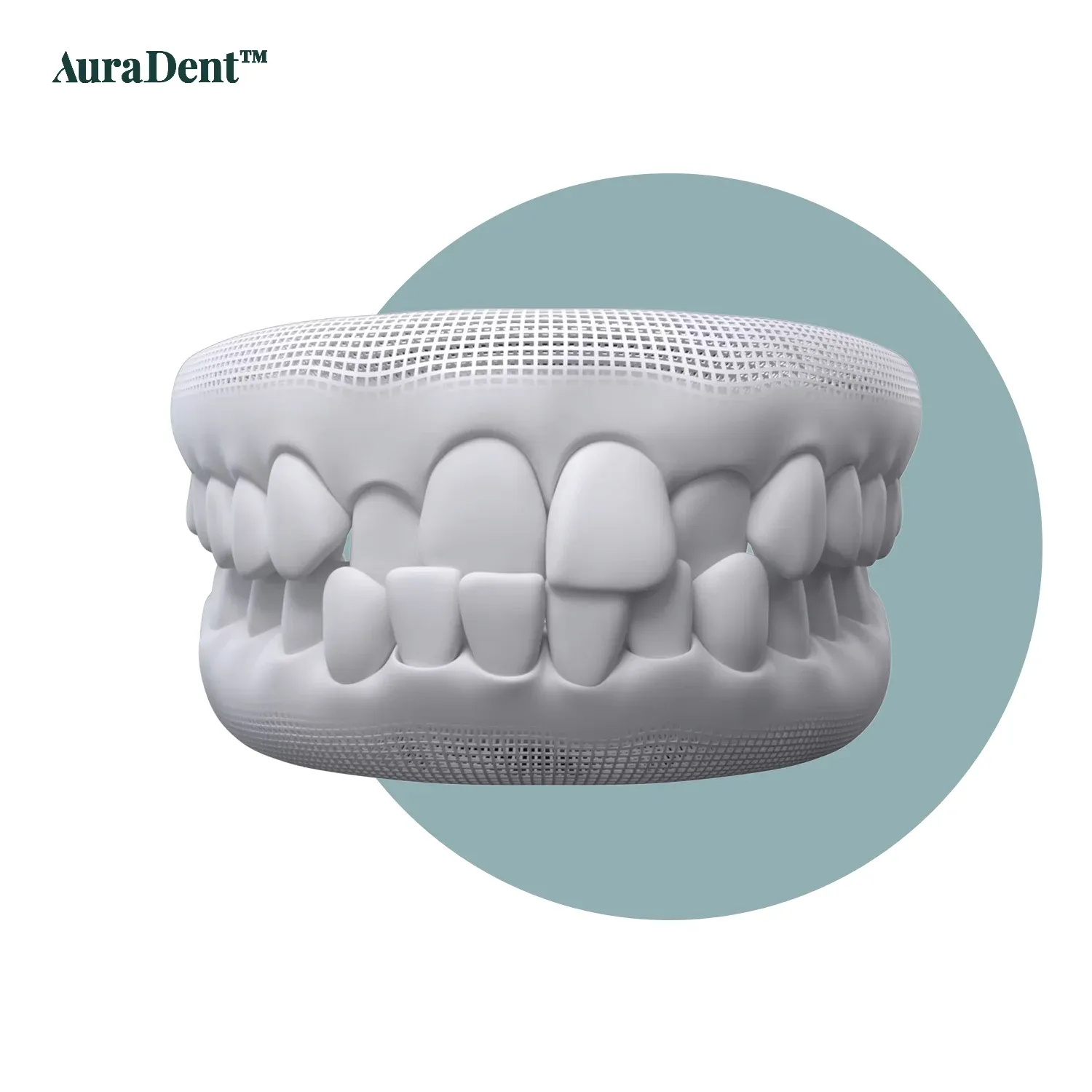
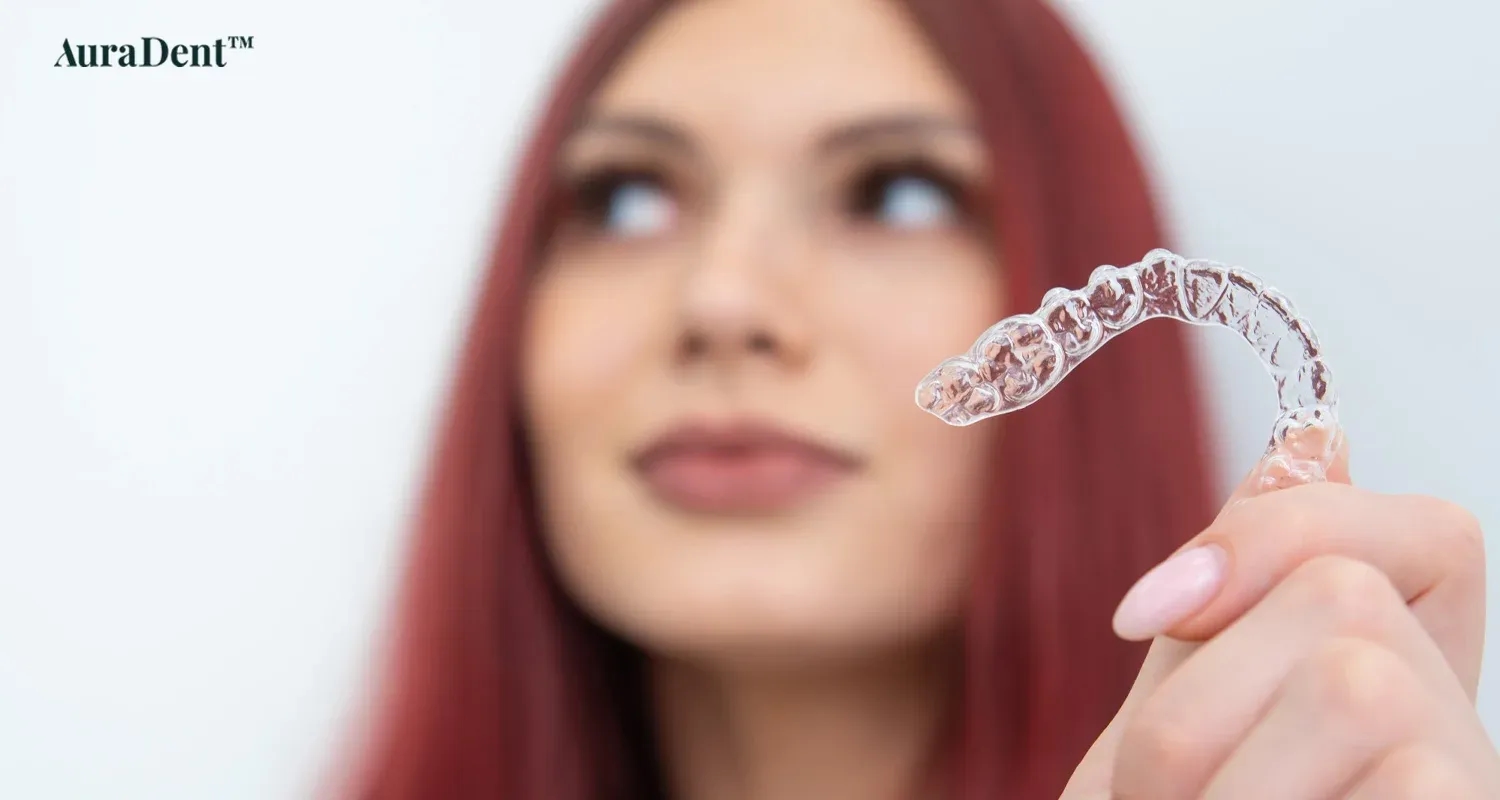
For milder cases of crossbite, where the problem is primarily caused by tooth positioning, treatment can often be carried out with orthodontics. Fixed braces or modern, discreet options such as Invisalign can be used to gradually move the teeth into their correct position. This approach improves both bite function and smile aesthetics without altering the underlying skeletal structure.
Orthodontics Combined with Jaw Surgery
For more severe cases of crossbite, where the position of the jaws is the primary cause, treatment may require a combination of orthodontics and orthognathic (jaw) surgery. In these cases, braces are typically used before and after surgery to achieve an optimal bite and improved facial symmetry.
Treatment is carefully planned by a team of specialists and tailored to the individual patient. Although the process generally takes longer than treatment in children, the results can be highly successful from both a functional and aesthetic perspective.
It is important to understand that crossbite treatment in adults may require more time, but modern techniques make it possible to achieve natural, stable, and long-lasting results even later in life.
Why Is It Important to Treat a Crossbite at Any Age?
Whether it affects a child or an adult, treating a crossbite is important to prevent long-term oral health problems. A misaligned bite affects not only the appearance of the smile but also the functional balance of the entire chewing system.
Treatment helps reduce the risk of:
- Tooth wear caused by improper tooth contact
- Reduced chewing efficiency and uneven bite forces
- Jaw joint pain or clicking sounds (TMJ disorders)
- The development of crooked or crowded teeth
- Facial asymmetry and imbalance
Addressing a crossbite early contributes to a healthier, more harmonious smile and supports long-term bite stability and oral function.
Conclusion
It is never too late to correct a crossbite. Whether it concerns your child or yourself, there are effective treatment methods that can restore both function and aesthetics.
An early assessment always provides the best conditions for successful treatment, but even in adulthood, good results can be achieved with modern orthodontics.
The first step is a professional consultation. Book an appointment at AuraDent™ for an individual assessment of your bite. Our specialist dentists offer a wide range of treatments, from palatal expanders to Invisalign, to help you achieve a healthy, symmetrical, and beautiful smile.
FAQs
Dr. Panteha Bigdeli
Related Posts