
- General Dentistry
Crossbite in Children: Why Early Treatment Is Crucial

-1.jpg&w=3840&q=100)
Key Points at a Glance
• Early treatment promotes symmetrical jaw development
• Untreated crossbite can lead to crooked teeth and facial asymmetry
• A palatal expander can correct the bite painlessly and effectively
• In some cases, Invisalign or fixed braces are used as complementary treatment
• Treatment between the ages of 7 and 9 yields the best results
What is a crossbite?
A crossbite occurs when the upper teeth bite inside the lower teeth. In a normal bite, the upper jaw overlaps the lower jaw slightly. When this pattern is disrupted, it affects the interaction between the teeth, jaw joints, and chewing muscles.
Main types of crossbites
• Posterior crossbite: Involves the back teeth and is the most common type.
• Anterior crossbite: Affects one or more front teeth, which can impact both bite function and appearance.
Regardless of the type, a crossbite is an indication that the jaws are not growing in balance, and treatment should begin as early as possible.
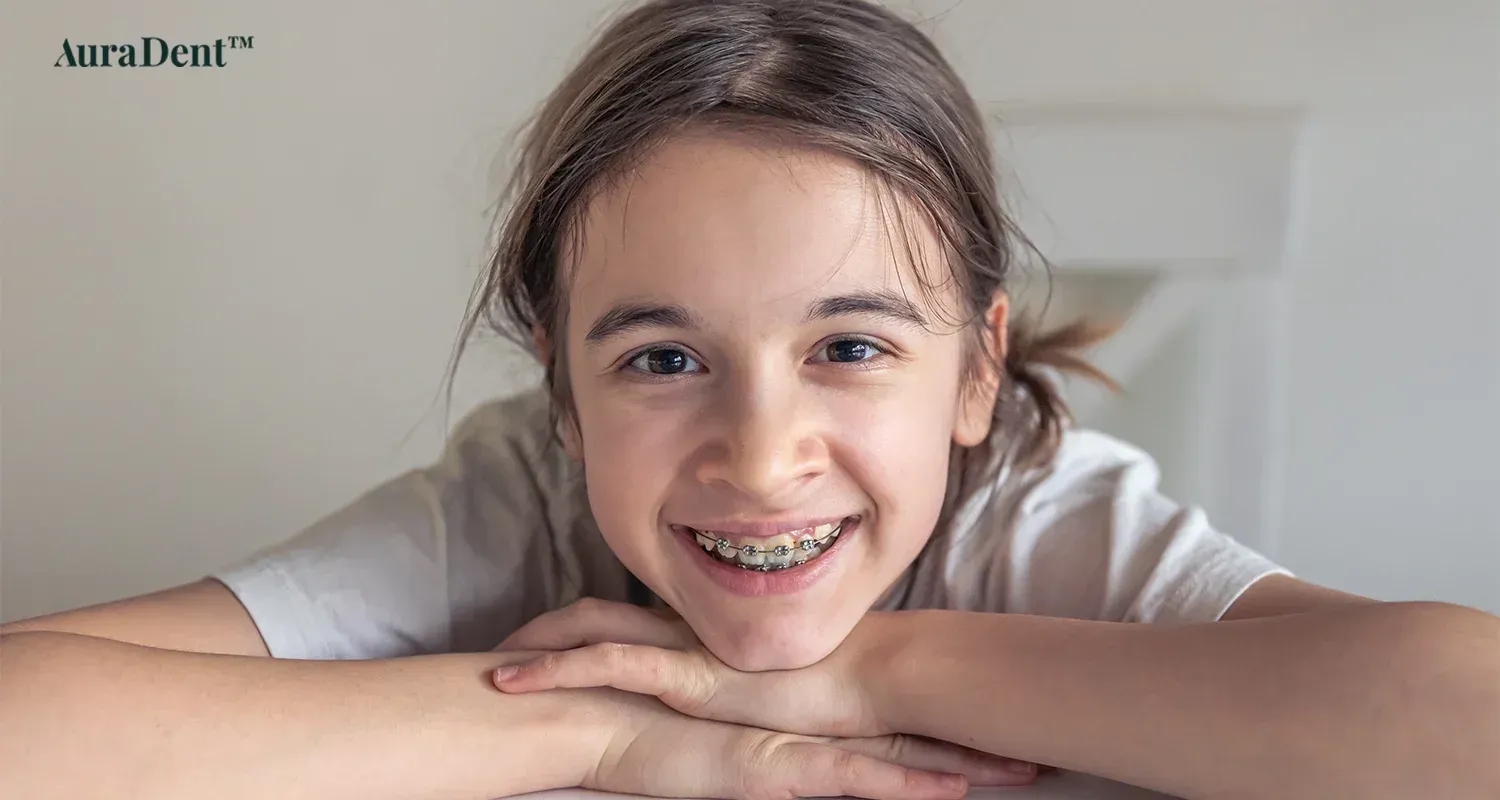
Why is treatment of a crossbite necessary?
A crossbite is not merely an aesthetic problem. It affects the function of the entire dentition and can lead to several complications over time.
When a child tries to compensate for the bite by shifting the lower jaw to one side, an asymmetrical load is created, which affects skeletal development.
Consequences of untreated crossbite:
• Asymmetrical jaw and facial growth affect the skeletal structure and lead to visible facial asymmetry
• Crooked teeth can grow irregularly and cause crowding
• Abnormal tooth wear occurs when the teeth meet incorrectly and the enamel wears down faster
• Gum problems can develop when irregular pressure irritates the tissues and causes inflammation
• Pressure on the temporomandibular joint can cause pain and clicking sounds with prolonged misalignment
After correcting the width of the bite, the dentist may, if necessary, recommend various types of braces to fine-tune the alignment of the teeth and stabilize the results.
What causes crossbites in children?
Crossbites can be caused by several factors, often a combination of genetic and environmental causes.
• Genetic factors: A congenitally narrow upper jaw or hereditary differences in skeletal structure.
• Oral habits: Prolonged thumb-sucking or frequent use of a pacifier can affect jaw growth.
• Improper tooth eruption: Teeth that erupt in the wrong position can cause malocclusion.
• Mouth breathing: Children who breathe through their mouths while growing up often develop a narrower upper jaw and a higher palate.
Early detection, especially between the ages of 7 and 9, increases the likelihood of simple and effective treatment without the need for extensive procedures.
How is crossbite treated in children?
The most common treatment for crossbite is a palatal expander, an orthodontic device that gradually widens the upper jaw. The treatment is painless and occurs gradually through small adjustments that take advantage of the child’s natural growth.
After expansion, the dentist may recommend braces or Invisalign to correct the position of the teeth.
The duration of treatment (how long braces are worn) varies depending on the complexity of the bite, but early treatment generally leads to shorter treatment times and more stable results.
The combination of a palatal expander and corrective braces results in a long-term, stable bite structure and reduces the risk of future surgical procedures.
Benefits of Early Treatment
• Prevents asymmetrical jaw development and facial imbalance
• Improves chewing function, speech, and breathing patterns
• Reduces the risk of crooked teeth and crowding
• Promotes a harmonious and aesthetically pleasing smile
• Reduces the need for more advanced treatment in the future
Early treatment benefits not only the function of the bite but also the child’s self-confidence and future oral health.
Conclusion
Early diagnosis and treatment of crossbites in children are crucial for ensuring proper jaw development and stable occlusion. Correcting the bite early can prevent both functional and aesthetic problems that might otherwise affect the child’s facial development.
A palatal expander allows for natural widening of the upper jaw and contributes to harmonious growth of the bite.
If you suspect your child has a crossbite, book an appointment at AuraDent™ for a professional evaluation. Our specialist dentists offer modern and safe treatment methods, including Invisalign, that help children develop a healthy, symmetrical, and beautiful smile.
FAQs