
- Dental Hygiene
- General Dentistry
Everything You Need to Know About Chronic Bad Breath (Halitosis): Causes, Treatment, and Expert Tips

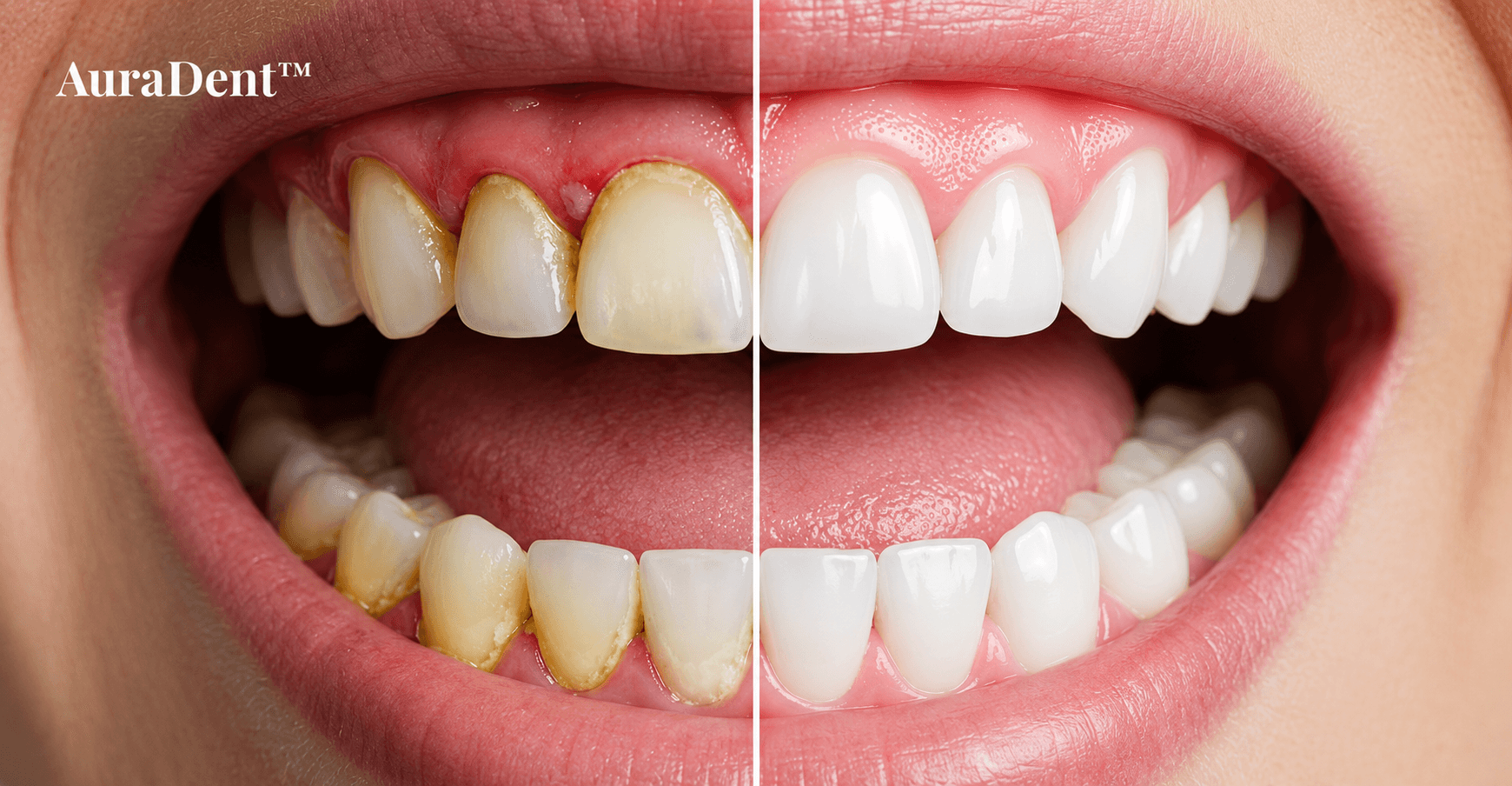
Approximately one in four people suffer at some point from chronic bad breath, also called halitosis. It is a condition that affects both self-esteem and social confidence. In most cases, the discomfort is caused by bacteria in the mouth, but sometimes it can also be a sign of gum disease or other medical conditions. The good news is that chronic bad breath can be treated effectively with the right diagnosis, professional dental care, and thorough oral hygiene.
Key Points in Brief
- Chronic bad breath often occurs when bacteria on the tongue or gums produce foul-smelling sulfur compounds.
- Dentists can identify the exact cause and offer treatment that provides lasting results.
- The right toothpaste and mouthwash can reduce bacteria and provide lasting fresh breath.
- Dry mouth, tartar, and gum infections are common underlying factors.
Common Causes of Chronic Bad Breath
Understanding why chronic bad breath occurs is the first step toward treating it. The causes can range from poor oral hygiene to medical problems.
Inadequate oral hygiene
Bacteria that accumulate on teeth and tongue break down food debris and release foul-smelling gases. Lack of daily cleaning allows these substances to remain and cause unpleasant odors. Regular brushing, cleaning between the teeth, and using a tongue scraper are essential for preventing halitosis.
Food, drink, and tobacco
Foods such as onions, garlic, and coffee can cause temporary bad breath, but tobacco worsens the problem by drying out the oral mucosa. Smoking alters the bacterial flora and contributes to chronic bad breath.
Dry Mouth (Xerostomia)
Saliva plays an important role in keeping the mouth clean. With dry mouth, saliva production decreases, which allows bacteria to thrive. The causes can be medications, stress, or mouth breathing. The dentist can recommend saliva substitutes or adjustments to routines to restore balance.
Tartar and Gum Problems
When plaque is left for too long, it hardens into tartar that collects bacteria. This often leads to gum inflammation, which is one of the most common causes of chronic bad breath. Professional tartar removal and gum treatment are then necessary.
Throat and Stomach Problems
Sometimes bad breath originating from the throat can be caused by tonsil stones (tonsilloliths) or stomach issues such as acid reflux. If the dentist suspects the cause is not oral, they will collaborate with a physician for further investigation.
For those who want to delve deeper into why breath changes and how you can influence it in daily life, the article "Bad Breath: Causes, Home Remedies, and Treatment" is recommended. There you will find practical tips, natural methods, and scientifically based advice to help you understand and manage the problem on your own between dental visits.

How to Get Rid of Chronic Bad Breath : Step-by-Step Guide
Treating chronic bad breath requires both self-care and professional dental help.
Improve Your Daily Oral Care
- Brush your teeth at least twice a day with fluoride toothpaste.
- Use dental floss or interdental brushes to remove bacteria between the teeth.
- Scrape your tongue regularly to remove coatings.
- Rinse your mouth with an alcohol-free antibacterial mouthwash.
- Drink plenty of water and avoid smoking and alcohol, which can dry out the oral mucosa.
Professional Treatment at the Dentist
When chronic bad breath does not improve despite good hygiene, a professional examination is needed. The dentist can:
- Perform thorough cleaning and remove tartar.
- Treat gum infections that cause odor.
- Recommend saliva-stimulating products for dry mouth.
- Provide individualized advice on diet and oral care products.
Which Toothpaste Is Best for Chronic Bad Breath?
To reduce chronic bad breath, the toothpaste should contain substances that combat bacteria and neutralize sulfur gases.
- Zinc (e.g., Zinc Citrate) neutralizes foul-smelling compounds.
- Fluoride strengthens tooth enamel and protects against cavities.
- Antibacterial ingredients such as chlorhexidine or natural essential oils help reduce bacterial load.
An effective toothpaste for chronic bad breath should be used together with thorough oral care and regular dental visits for the best results.
If your bad breath is accompanied by swelling, pain, or pus formation, the cause may be an infection in the tooth or gums. In such cases, it is important to seek care quickly rather than trying to treat it on your own. Please read the article "Dental Infection and Antibiotics: Use, Types, and Why You Should Never Self-Medicate" where we explain when antibiotics are needed, which types are used, and why professional assessment is always crucial for safe and effective treatment.
When Should You Seek Care for Chronic Bad Breath?
If you have followed all oral hygiene routines and still experience persistent discomfort for longer than two to three weeks, it is time to book an appointment with the dentist. Chronic bad breath can sometimes be caused by gum inflammation, infection, or disease in the gastrointestinal tract. A professional examination helps identify the cause and provide the right treatment before the problem worsens.
Conclusion
Chronic bad breath is a common but treatable condition that is often caused by bacteria in the mouth, dry mouth, or gum disease. By following proper hygiene routines, using a toothpaste with zinc and fluoride, and visiting the dentist regularly, you can restore healthy and fresh breath.
AuraDent's dentists offer thorough diagnostics and individually tailored treatments for both temporary and long-term problems.
Tired of chronic bad breath? Let our experts help you find the cause and achieve a long-lasting solution.
Book an appointment for an examination at AuraDent™ today.
FAQs