
- Cosmetic Tips
- General Dentistry
Gaps between your teeth? Your complete guide to a confident smile

Key Points at a Glance
- A gap between the teeth, called diastema, can be an aesthetic or functional issue.
- The causes range from genetics and jaw size to tooth loss and childhood habits.
- Modern solutions like Invisalign make it possible to close gaps between teeth discreetly and effectively.
- The cost depends on the method, the size of the gap, and the treatment duration, but can be tailored individually.
- For some patients, quick aesthetic solutions like veneers may work, while others require orthodontic treatment.
- A thorough assessment by a dentist is always the first step toward your new smile.
What is diastema and why does it occur?
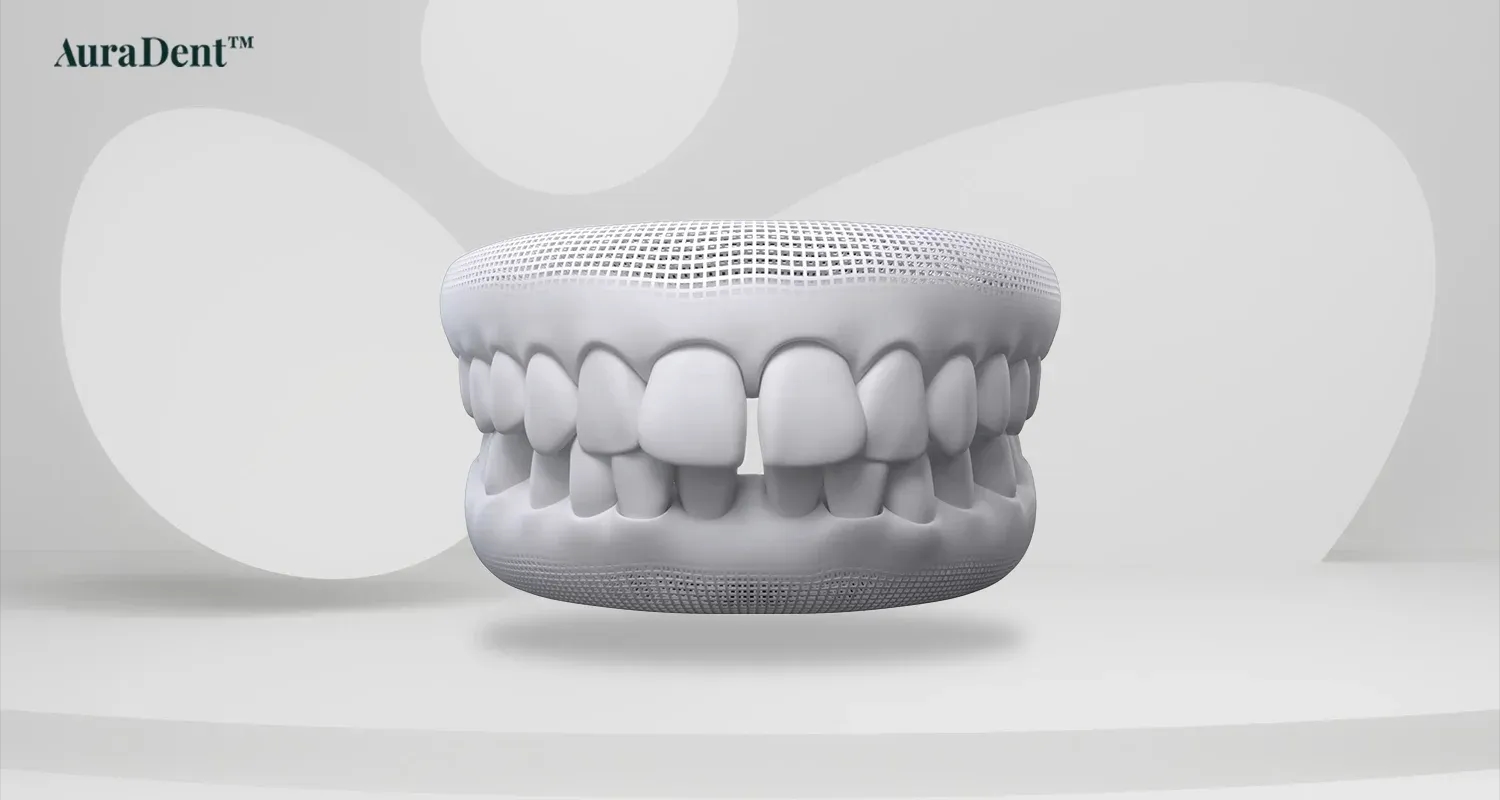
A gap between the teeth, also called diastema, is most common between the front teeth but can occur anywhere in the dental arch. For some, it is merely an aesthetic feature, while for others it can affect the bite, speech, and oral health.
Is diastema a problem?
Not always. In many cases, it is a completely natural variation in the dentition. However, if the gap causes difficulty chewing, uneven wear, or gum inflammation, treatment is recommended.
Common causes of gaps between teeth
- Genetics: hereditary factors can affect tooth size and jaw shape.
- Childhood habits: thumb sucking, tongue thrusting, or pacifier use can shift teeth.
- Missing or small teeth: creates extra space in the dental arch.
- Gum disease: periodontitis can lead to bone loss and tooth movement.
- Jaw proportions: a large jaw with small teeth creates natural gaps.
Curious about how long it takes to close a gap with braces? Read our guide How long do you wear braces for a gap? and get a clear picture of treatment duration, results, and what influences the process.
How to close a gap between your teeth: your options
There are several ways to close gaps, depending on the cause, aesthetic preferences, and budget. Below, we explain the most popular options, from modern invisible solutions to quick cosmetic procedures.
Invisalign: the modern and invisible solution
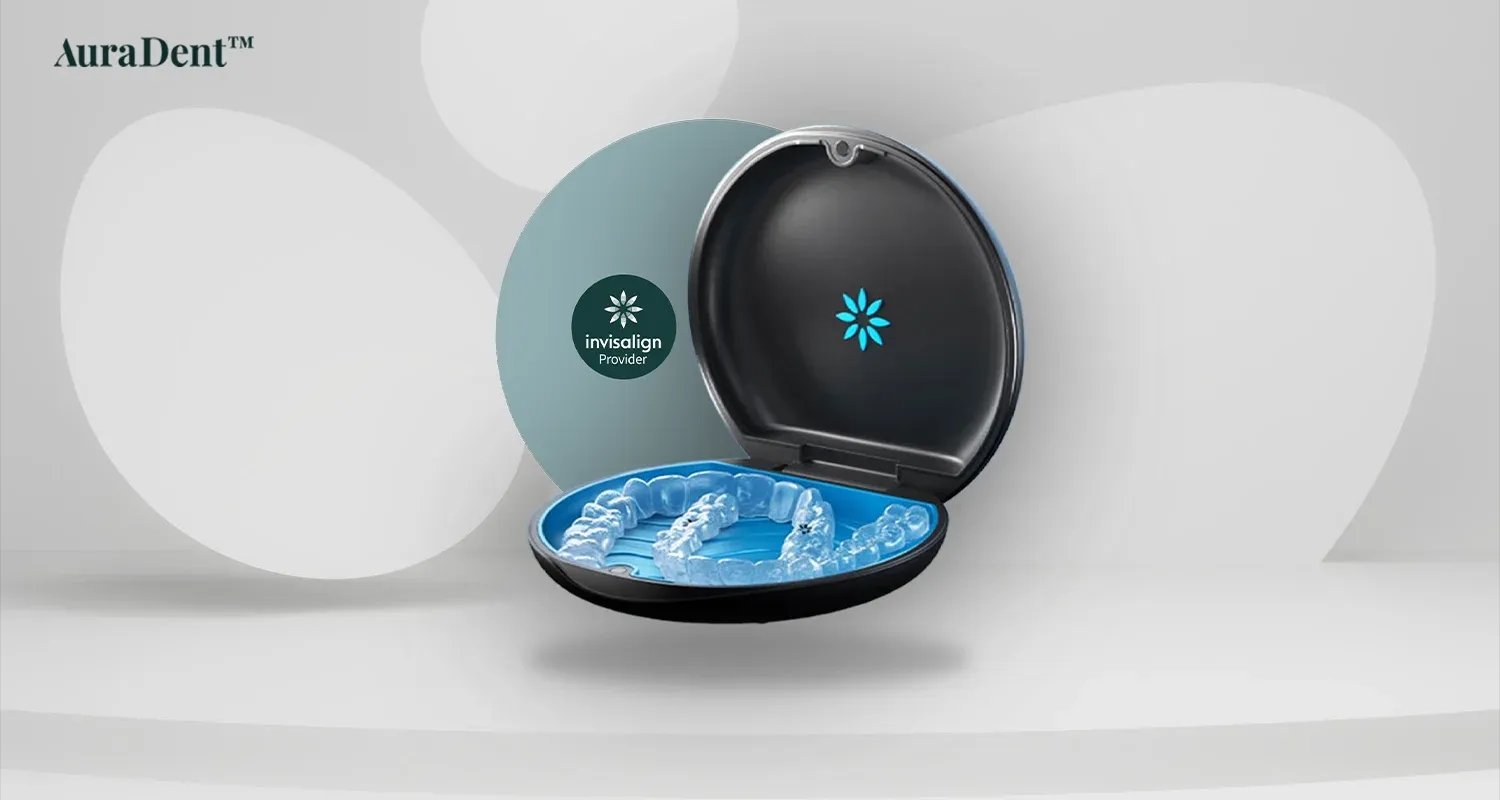
Invisalign is one of the most popular treatments for closing a gap between the teeth. Through a series of clear, custom-made aligners, the teeth are gradually moved to their ideal position. The treatment is discreet, comfortable, and effective, with no metal brackets or wires.
The result is a natural and harmonious smile, perfect for adults who want to correct gaps without the treatment being visible.
Want to learn more? Read our guide on Invisalign for Tooth Gaps.
Quick aesthetic correction: composite and veneers
For those who want an immediate result, composite bonding or porcelain veneers can be an option. These methods close the gap by building out the teeth with a thin material.
They provide a fast and aesthetic result, but sometimes require enamel reshaping and have a shorter lifespan than orthodontic treatment.
Traditional braces (fixed appliances)
For larger gaps or complex bite issues, fixed braces may still be the most effective option. However, they are visible and require more meticulous cleaning, which makes Invisalign a more attractive alternative for adult patients.
Comparison of Methods and Costs
Invisalign:
- Treatment time: 6–18 months
- Cost: 11785.00–21605.00 AED
- Advantages: Invisible, comfortable, and easy to keep clean
- Disadvantages: Requires discipline and consistent wear
Veneers:
- Treatment time: 1–2 visits
- Cost: 3144.0–5892.00 AED per tooth
- Advantages: Fast results and highly aesthetic
- Disadvantages: Requires enamel reshaping
Traditional braces (fixed appliances):
- Treatment time: 12–24 months
- Cost: 9820.00–17676.00 AED
- Advantages: Very effective and reliable
- Disadvantages: Visible and more difficult to clean
What affects the price?
The price depends on several factors: the size of the gap, the method chosen, the treatment duration, and any complementary procedures.
Want to know what your specific treatment would cost? Book a free consultation at AuraDent and receive a personalized cost plan.
Before and After Images: Real Results from Our Patients
Seeing the difference makes it real. At AuraDent, we have helped many patients close their tooth gaps with amazing results.
Every smile tells a story, and we are proud to be a part of it
When should gaps be treated and how can they be prevented?
Understanding when to treat gaps is crucial to avoiding future dental problems. Small gaps can sometimes be completely harmless, but in some cases, they can affect both your bite and dental health. With early diagnosis and the right treatment, both function and aesthetics can be preserved.
Gaps in children
In children, small gaps are common and often completely harmless. However, if the gaps remain after the permanent teeth have emerged, a dentist should assess the cause. Early treatment can prevent future bite problems.
How to care for teeth with gaps
Good oral hygiene is essential.
- Use interdental brushes, floss, and fluoride toothpaste daily.
- Avoid hard objects that can damage the enamel.
- Visit the dentist regularly for check-ups and professional cleaning.
Conclusion
Closing a gap between your teeth is not just about aesthetics, but also about function, health, and self-confidence. Modern solutions like Invisalign make it possible to correct gaps discreetly and comfortably, with predictable results.
At AuraDent, you get access to the most advanced digital technologies and an experienced dental care team that puts your smile first.
Ready to take the first step toward a smile you love?
Book a free 3D scan and consultation at AuraDent today and discover how close you are to your dream smile.
FAQs