
- General Dentistry
Underbite: What It Is, Why It Occurs, and How It Is Treated

-1.webp&w=3840&q=100)
An underbite occurs when the lower front teeth bite in front of the upper front teeth. This is a malocclusion that can cause both aesthetic and functional problems. Early signs may include a pronounced profile, difficulty chewing, or challenges with speech. Treating an underbite is important because it not only affects appearance but can also lead to long-term consequences for teeth, jaw joints, and overall oral health.
Modern treatment options include both traditional braces and clear aligners like Invisalign, making it possible to find a solution tailored to each patient’s needs.
Why Does an Underbite Occur? Causes and Different Types
The causes of an underbite are often a combination of genetic and environmental factors:
- Genetic influence: Heredity plays a key role in the shape and size of the jaws.
- Early childhood habits: Prolonged use of a pacifier, thumb-sucking, or tongue-thrusting can affect the development of the dental arch.
- Jaw growth disorders: an overdeveloped lower jaw (mandibular prognathism) or an underdeveloped upper jaw (maxillary hypoplasia).
- Premature tooth loss: the loss of baby teeth or permanent teeth can create gaps that cause adjacent teeth to shift.
- Dental obstruction: supernumerary or impacted teeth can prevent normal tooth eruption.
Underbite can be classified as mild, moderate, or severe. In mild cases, it is primarily the position of the teeth that causes the deviation, while severe forms often have a skeletal origin.
Underbites at Different Ages
Children and Adolescents
In children, an underbite can be detected early by looking at the facial profile or by noticing difficulties with breastfeeding and chewing. Treatment during childhood is often effective because growth can still be guided. Appliances such as orthodontic plates or chin caps can be used to correct development and reduce the need for surgery in the future.
Adults
Once growth is complete, other methods are required. Orthodontic treatment using fixed appliances or aligners is effective in many cases. In cases of severe skeletal abnormalities, orthodontics is combined with orthognathic surgery. Treatment in adulthood is often beneficial both functionally and aesthetically.
Consequences of an untreated underbite
- Difficulty chewing food properly, which can lead to digestive problems
- Speech impairments, such as difficulty pronouncing sounds like “s” and “f”
- Abnormal wear on the teeth that can damage the enamel
- TMJ problems that cause pain and headaches
- Aesthetic issues that lead to reduced self-confidence
- Increased risk of damage to the front teeth
Treatment options for an underbite
• Traditional fixed braces
- Metal brackets: effective even in complex cases, durable, and cost-effective, but clearly visible.
- Ceramic brackets: more aesthetically discreet, but more prone to staining.
- Lingual braces: placed on the inside of the teeth and invisible from the outside. Cleaning is more challenging, and speech may be affected initially.
Invisalign
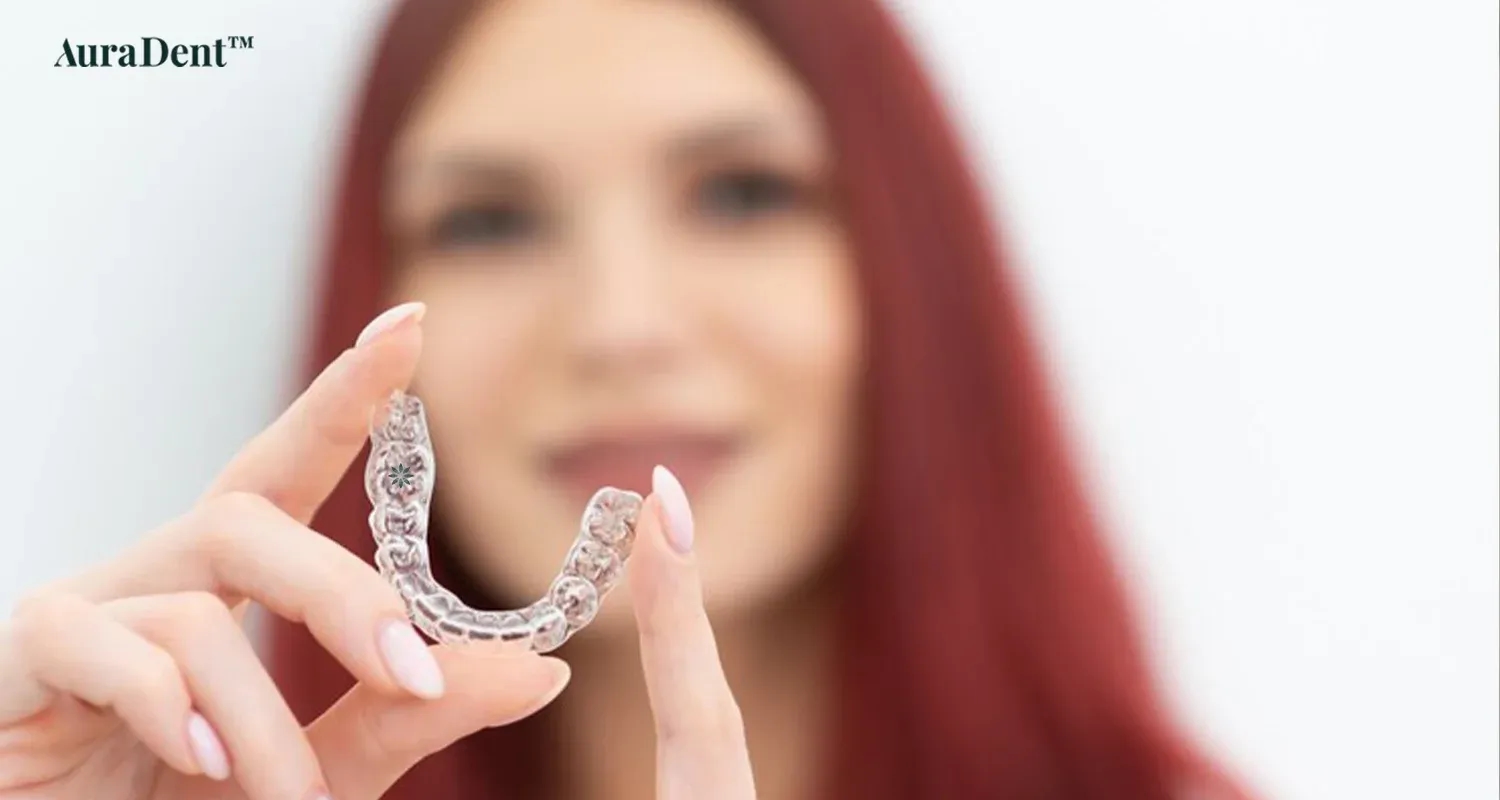
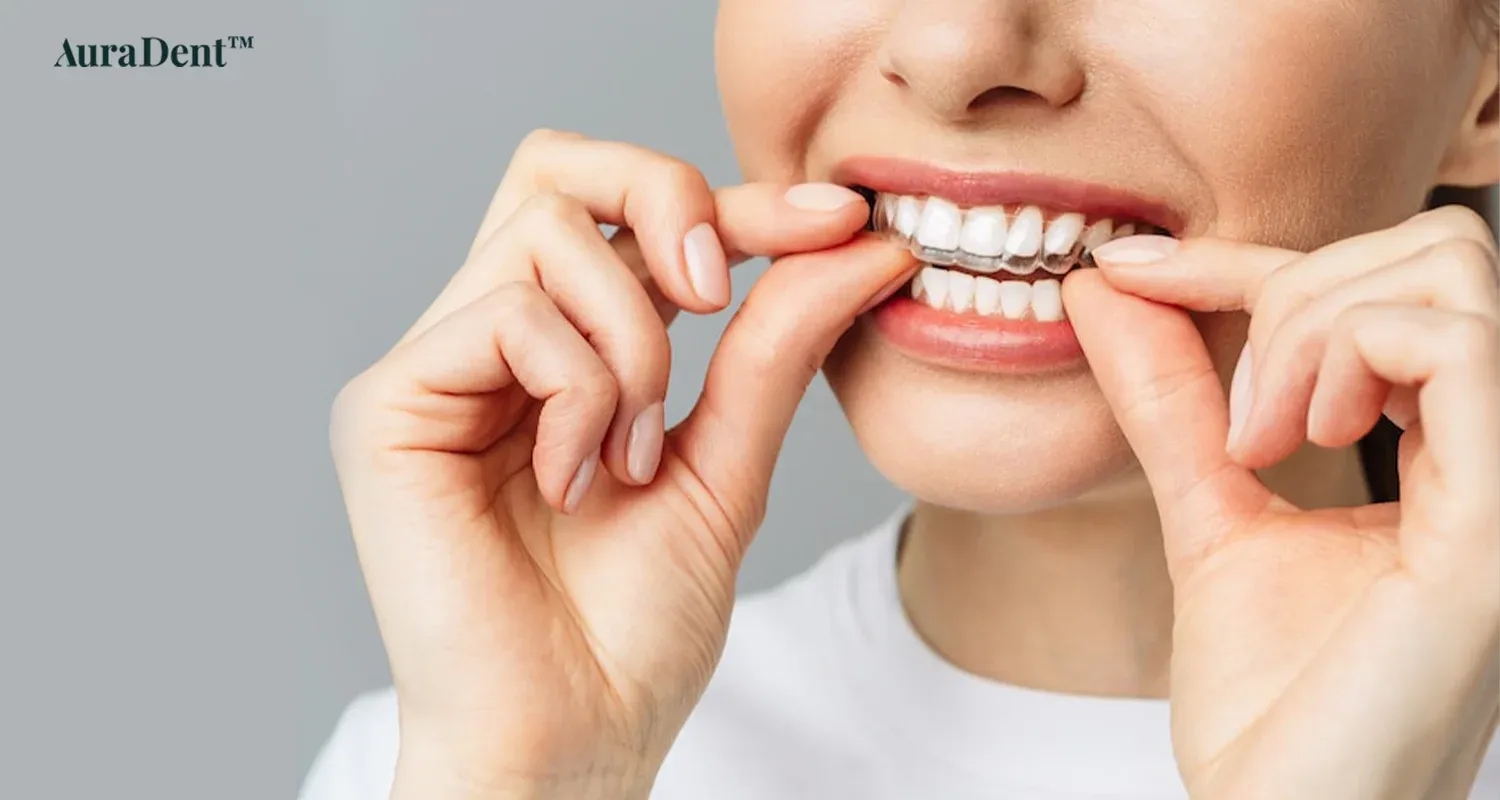
Invisalign is a treatment that uses clear, removable aligners to gradually move the teeth into place. This method is particularly popular among adult patients with mild to moderate underbites.
The benefits include:
- Nearly invisible aligners that provide an aesthetically pleasing treatment
- Removable aligners that make it easy to eat and brush your teeth
- Digital planning with 3D scanning that allows you to preview the results
- High comfort without metal brackets or wires
Treatment begins with a consultation and a digital scan, followed by the delivery of custom-made aligners. These are replaced regularly and monitored during follow-up visits at the clinic. Once the treatment goals have been achieved, the results are stabilized with retainers.
Surgical Treatment
In cases of severe skeletal underbite, orthognathic surgery may be necessary. It is usually combined with orthodontic treatment before and after the surgery to achieve optimal results.
Comparison of Methods
Metal Braces:
• Visibility: Visible
• Comfort: Good
• Hygiene: More demanding
• Suitability: Simple to complex cases
• Treatment duration: 12–36 months
Ceramic brackets:
• Visibility: Discreet
• Comfort: Good
• Hygiene: Risk of staining
• Suitability: Aesthetically sensitive cases
• Treatment duration: 12–36 months
Lingual braces:
• Visibility: Invisible
• Comfort: Requires adjustment
• Hygiene: Difficult to clean
• Suitability: High aesthetic standards
• Treatment duration: 18–36 months
Invisalign:
• Visibility: Very discreet
• Comfort: High comfort
• Hygiene: Simple routines
• Suitability: Mild to moderate complexity
• Treatment duration: 6–24 months
Surgery + orthodontics:
• Visibility: Not discreet
• Comfort: More demanding
• Hygiene: Same as fixed appliances
• Suitability: Severe skeletal cases
• Treatment duration: 18–36 months
Treatment Process at AuraDent
- Consultation and diagnosis: clinical examination, X-rays, and digital 3D scanning.
- Planning: a personalized treatment plan that takes both function and aesthetics into account. Here, we answer common questions such as how braces work and what you need to say to get braces.
- Start of treatment: placement of brackets or delivery of aligners.
- Follow-up: regular check-ups for adjustments and evaluation of progress.
- Retention: stabilization with retainers for long-term results.
AuraDent has extensive experience treating malocclusions such as underbites, crossbites, and overbites. Using both traditional methods and modern solutions in various types of orthodontic appliances, we offer treatment that is safe, scientifically sound, and tailored to each individual.
Conclusion
An underbite is more than just a cosmetic issue. It is a malocclusion that can affect chewing ability, speech, and temporomandibular joint function, and can even lead to premature tooth wear. In the long term, it can also create social and psychological barriers, making treatment an investment in both health and quality of life.
Modern treatment options provide excellent opportunities to correct an underbite regardless of age. In children, growth can be guided to avoid surgery later on, while adult patients have access to advanced orthodontic and surgical solutions that deliver stable results. The choice of treatment is always determined by the severity of the misalignment and the patient’s individual circumstances.
At AuraDent, we work with the full spectrum of methods, from traditional fixed appliances to Invisalign and surgical procedures in collaboration with oral surgeons. By combining experience, modern technology, and personalized treatment plans, we can help you or your child achieve a functional, stable, and aesthetically pleasing result.
FAQs