
- General Dentistry
Is Invisalign painful? What should you expect?
.webp&w=3840&q=100)
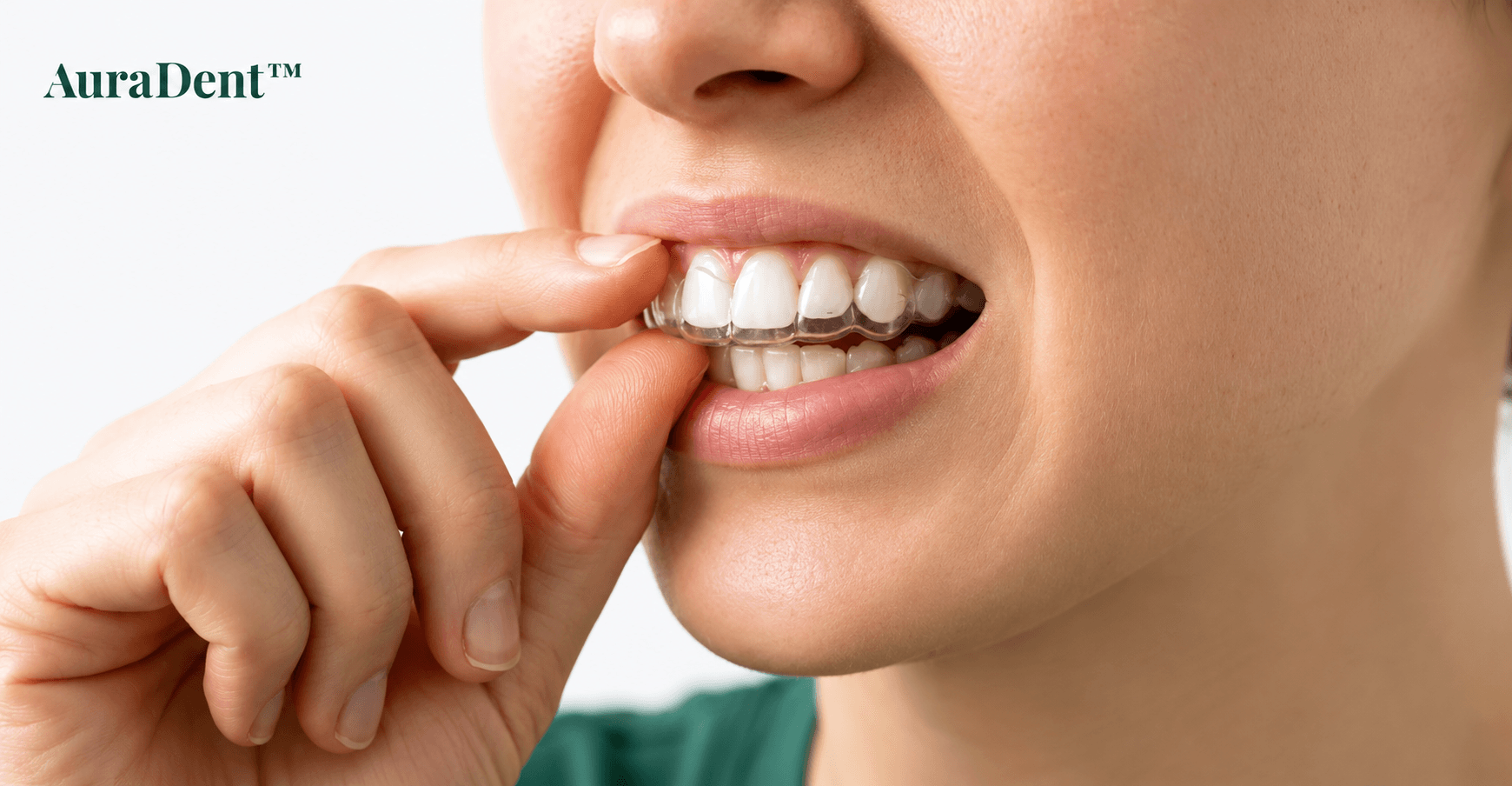
Many people wonder whether Invisalign is painful and worry about it before deciding on treatment. If you are also concerned that it might hurt, you are not alone. Many who have used Invisalign experience some discomfort, but it is not the same type of pain that can be experienced with traditional braces. In this article, we go through what you can expect from Invisalign and what you can do to alleviate any discomfort during treatment.
Will Invisalign hurt?
When you start using Invisalign, you may feel some pressure on your teeth, which can lead to pain. This is completely normal and part of the process. Here are some of the most common causes of pain or discomfort:
- Pressure from the aligners: When you switch to a new set of aligners, new pressure will be applied to your teeth to help them move. This pressure can feel like mild but constant pain, especially during the first few days after the switch.
- Rubbing against the gums: The clear aligners can sometimes rub against the gums, especially if you are not used to wearing them. This can lead to irritation or small sores in the mouth.
- Sensitive teeth: As your teeth begin to move, they can become more sensitive to heat, cold, and pressure. You may experience discomfort when eating or drinking certain things during the first few days after changing aligners.
Another reason for pain that some users experience is when they have Invisalign attachments, small buttons placed on the teeth to help the aligners get a better grip. These attachments can sometimes cause discomfort, especially when you have just had them applied.
How long does the pain last with Invisalign?
Most people find that the pain is most noticeable during the first 1-2 days after switching to a new set of aligners. This pain usually subsides as your teeth get used to the pressure. However, if you have a more complex dental condition, such as treating an overbite or underbite, the pain may be slightly more pronounced during the first few weeks as your teeth adjust.
It is also important to know that people using Invisalign for crowded teeth may experience a higher degree of pain because the pressure applied is stronger, this is necessary to move teeth that are close together.
If you feel that the pain does not go away within a few days or if it becomes worse, it may be a good idea to contact your dentist to ensure everything is as it should be.

How can you alleviate the pain?
Here are some tips on how to relieve the pain and discomfort that may arise with Invisalign:
- Pain relievers: An over-the-counter pain reliever such as ibuprofen or paracetamol can help if you are feeling pain. Be sure to follow the dosage instructions!
- Cold or heat: A cold compress on the outside of your face can reduce swelling and relieve pain. Warm water can also help release muscle tension in the jaw.
- Wax for aligners: If the aligners are rubbing against your gums, you can use Invisalign wax to cushion the irritation. This helps create a soft barrier between the aligners and sensitive areas in your mouth.
- Soft foods: After switching to new aligners, it may be a good idea to eat soft foods that do not require much chewing. This can help reduce discomfort and allow your teeth to get used to the pressure.
Benefits of wearing Invisalign despite the pain
Despite some pain or discomfort, many people find that the benefits of using Invisalign outweigh the temporary issues. Here are some of the biggest advantages:
- Aesthetically pleasing: Invisalign aligners are clear and nearly invisible, allowing you to straighten your teeth without drawing attention, unlike traditional metal braces.
- Comfortable and customizable: The aligners are designed to fit your teeth perfectly and are easy to remove when needed, such as when eating or brushing your teeth.
- Effective treatment: Invisalign is often faster than traditional braces, which means you may need to deal with the pain for a shorter period.
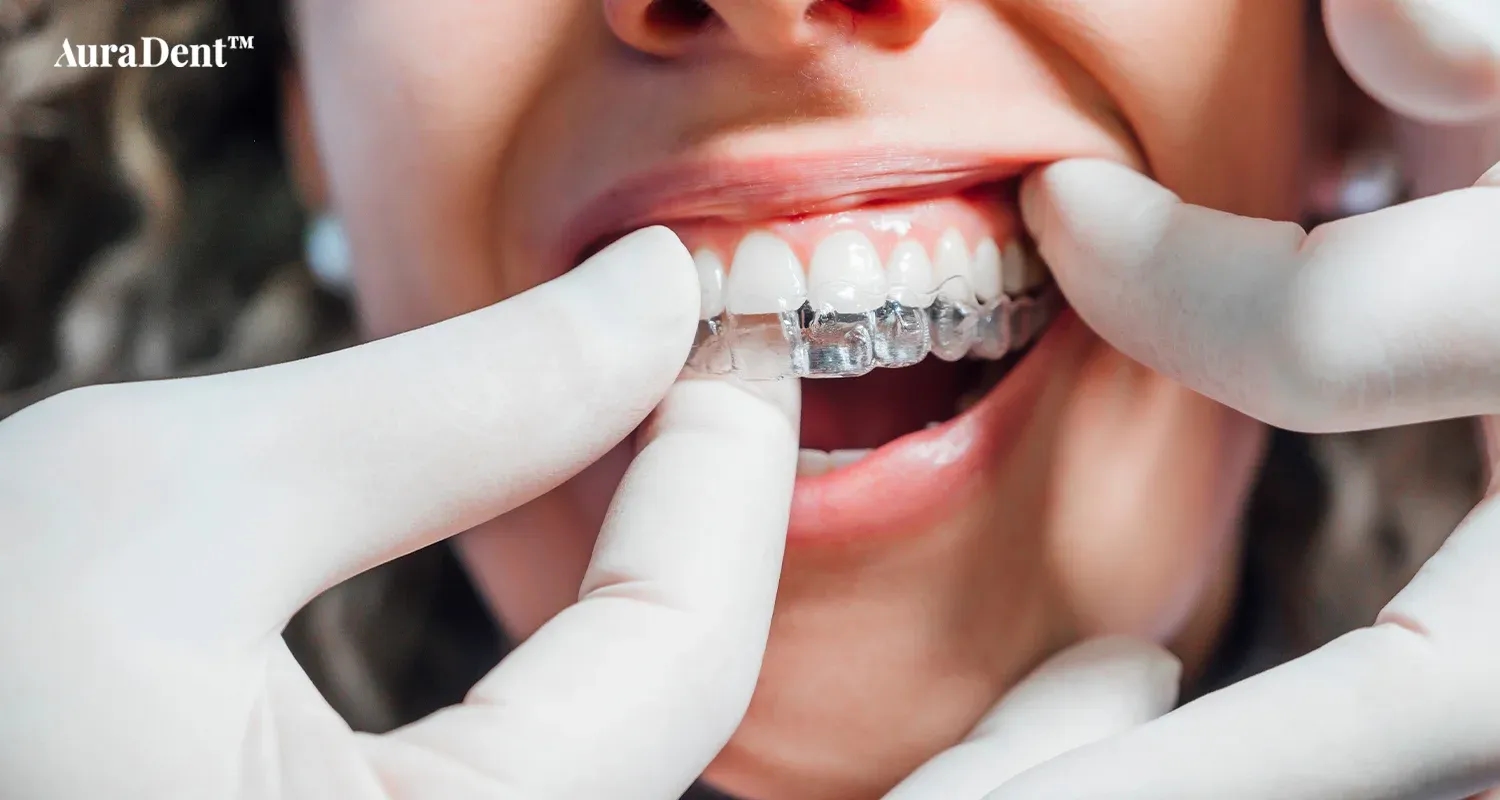
When can you expect less pain?
Pain from Invisalign usually subsides after the first few days once your teeth have become accustomed to the new aligners. For most people, the pain goes away completely after 1-2 days, but some may still feel some sensitivity when switching to a new set. Generally speaking, the pain should not be long-lasting.
If you experience unusually severe pain or pain that lasts longer than expected, it is a good idea to contact your dentist for advice and to ensure that everything is proceeding as it should with your treatment.
Conclusion
Pain caused by Invisalign is a natural part of the treatment for many, but it is usually temporary and manageable. Even though Invisalign is an effective and comfortable solution for straightening teeth, pain and discomfort can occur, especially when switching to new aligners or having attachments. For most people, the discomfort passes within a few days. By following the tips to alleviate the pain and being patient with the treatment, you can quickly get used to the aligners and begin to see the desired results.
If you are interested in starting your Invisalign treatment and want professional help, you can visit AuraDent's Invisible Aligner Center. We offer both Invisalign and invisible orthodontic services in Stockholm, Gothenburg, Malmö and also in Dubai. Book your consultation today for personalized advice and an individual treatment plan tailored to your specific needs!
FAQs