
- General Dentistry
Nerve Pain and Nerve Damage After Dental Implants: A Complete Guide

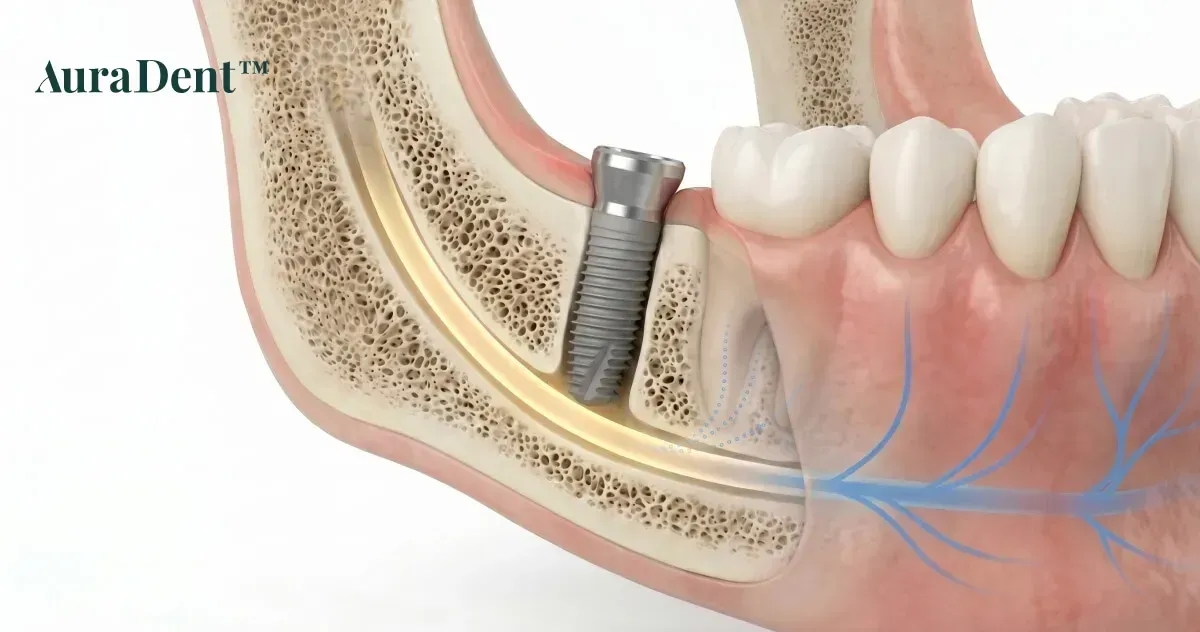
Experiencing pain or numbness after dental implant surgery can be concerning. Although dental implants are a safe and effective treatment, complications such as nerve damage can sometimes occur. The good news is that these situations are rare and can often be treated with good results. In this guide, you’ll learn everything about nerve pain after dental implants, why it happens, how to recognize warning signs, and what steps you can take to find relief and regain sensation and confidence in your smile.
Key points at a glance
- Some pain after dental implant surgery is normal during the first few days and is part of the healing process.
- Nerve pain after dental implant surgery often feels like a burning, stinging, or persistent numbness in the lip, chin, or tongue.
- Early diagnosis of nerve damage increases the chances of the nerve recovering completely.
- To reduce the risk of nerve damage, you should always choose an experienced dentist with expertise in implant surgery.
- Contact your dentist if the pain does not subside within a few days or if you experience numbness.
Is pain after dental implants normal?
After implant surgery, mild pain, swelling, and tenderness are completely normal. It is part of the body’s natural healing process. This pain usually subsides within a few days and can be relieved with common pain relievers such as ibuprofen or acetaminophen.
However, if the pain persists for longer than a week, feels burning, radiates to the chin or tongue, or if you notice numbness, it may be nerve pain following dental implants. This type of pain requires professional evaluation to avoid long-term nerve damage.
Long-term pain can sometimes be a sign of other complications. Read our guide on the risks and complications of dental implants to understand the symptoms, solutions, and when you should seek help.
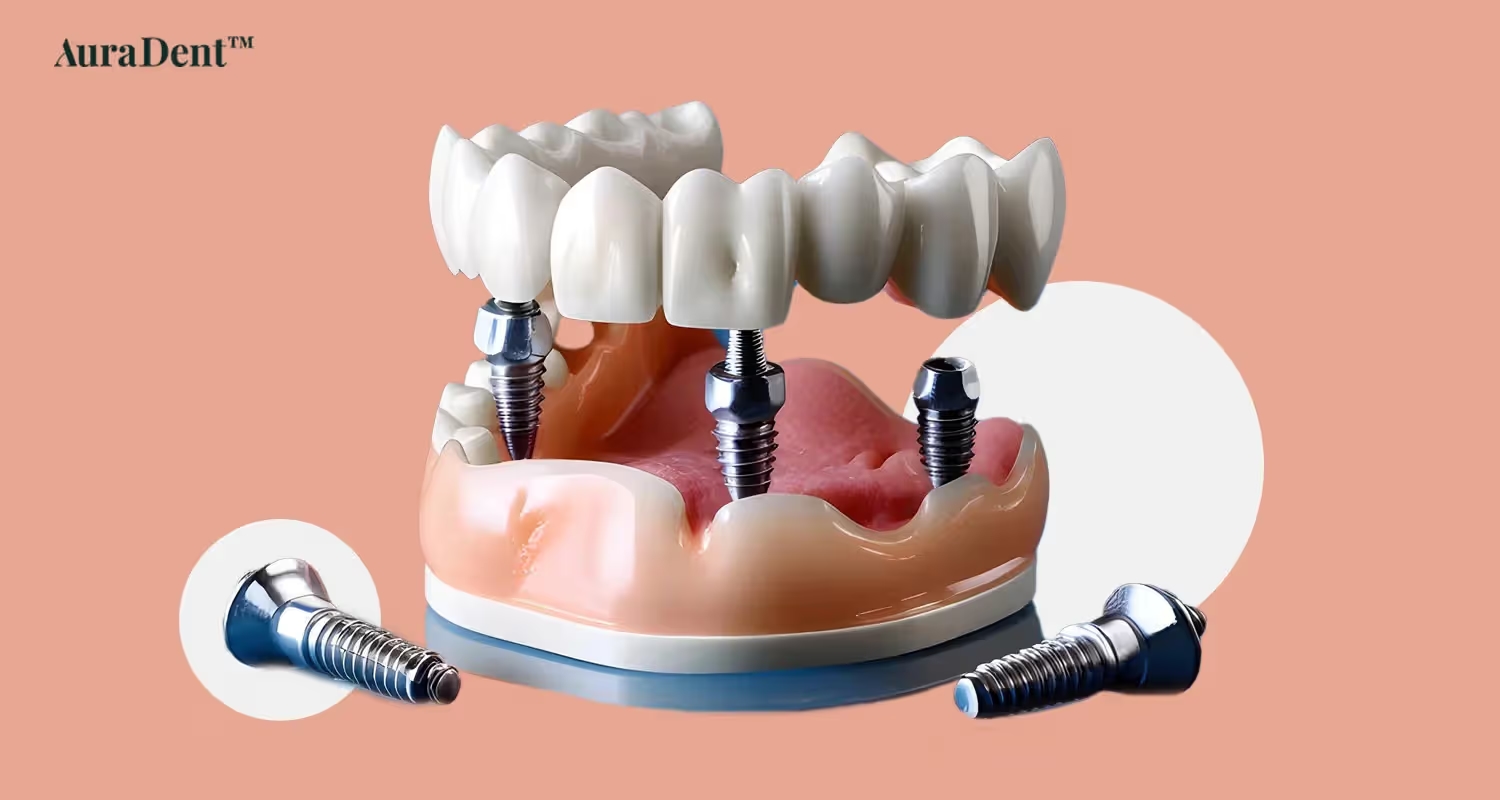
Symptoms of nerve damage following dental implants
Recognizing the symptoms early is crucial. Here are the most common signs of nerve damage:
- Numbness in the chin, tongue, lips, or teeth on the side where the surgery was performed.
- Tingling or prickling sensations that do not go away after a few days.
- Burning or sharp pain that is not relieved by common painkillers.
- Changes in taste or a sensation that the tongue is not moving normally.
- Difficulty speaking or chewing, especially if sensation is impaired.
Mild symptoms may sometimes be due to swelling or numbness, but if sensation does not return within a few days, you should schedule an appointment with your dentist.
Why does nerve damage occur with dental implants?
Nerve damage can occur during implant surgery, most often due to the implant’s proximity to the inferior alveolar nerve (nervus alveolaris inferior) or the lingual nerve (nervus lingualis). Sometimes, swelling after surgery can also put pressure on the nerve and cause temporary sensory disturbances.
Other causes may include:
- Insufficient jawbone thickness or bone volume.
- Poor planning or incorrect drilling depth during surgery.
- Anatomical variations where the nerve is closer to the tooth roots than expected.
Thorough X-ray examination and digital planning prior to the procedure are crucial to avoiding these risks.
Treatment of Nerve Pain Following Dental Implants
If you experience symptoms of nerve damage, it is important to act quickly. Early treatment improves the chances of nerve recovery.
Professional evaluation:
The dentist will conduct an examination and may order an X-ray or 3D scan to determine the extent of the damage.
Common treatment options:
• Observation and medication: In mild cases, the nerve may heal on its own over time. Medications may be prescribed to reduce inflammation and pain.
• Adjustment or removal of the implant: If the nerve is under pressure, the dentist may need to loosen or remove the implant to relieve pressure on the area.
• Surgical treatment: For more extensive damage, a nerve repair procedure may be performed by a specialist.
Improvement often occurs gradually over weeks or months. In the meantime, you can receive support with pain management and follow-up care to ensure the best possible healing.
Infection around the implant can sometimes be mistaken for nerve-related pain. To understand the difference and learn how to protect your implant, read our guide on dental implant infections and how to effectively prevent and treat them.
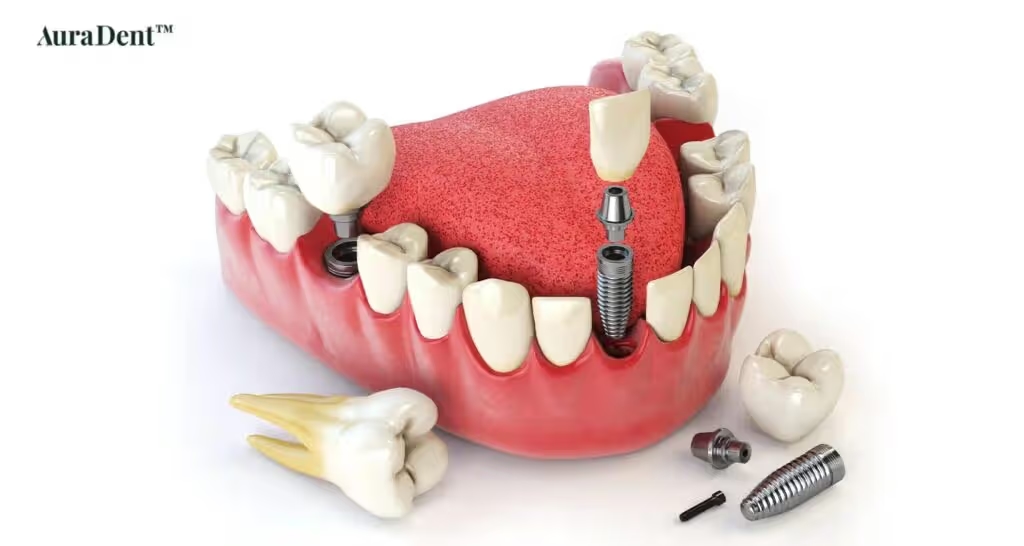
How to minimize the risk of nerve damage
Although nerve damage is rare, you can help reduce the risk by:
- Choosing a dentist with documented experience in implant surgery.
- Carefully following all instructions after the procedure.
- Avoiding smoking, as it impairs blood circulation and healing.
- Attending all follow-up appointments to detect any problems early.
If you experience symptoms such as numbness or tingling, book an emergency appointment with your dentist to avoid permanent damage.
Did you know that alcohol can also affect healing after an implant procedure? Read our guide on how alcohol affects the outcome of dental implants and what you should consider during recovery.
Conclusion
Nerve pain after dental implants can be concerning, but it is important to remember that most cases can be treated successfully. By being aware of symptoms, following aftercare advice, and seeking care promptly, you can ensure a safe and lasting result.
At AuraDent, experienced specialists are available to help you all the way from diagnosis to recovery. We use the latest technology to identify causes, treat nerve involvement, and optimize your healing.
Book a consultation today for a professional assessment and an individualized treatment plan. Your well-being and your smile are always our highest priority.
FAQs
Dr. Panteha Bigdeli
Related Posts
-1%20(1).webp&w=3840&q=100)
-1.webp&w=3840&q=100)
-1.webp&w=3840&q=100)