
- General Dentistry
Tooth Decay Treatment: Cost, Types of Fillings, and Guide 2026

Key points in brief
- Caries treatment is necessary when bacteria break down tooth enamel and cause cavities in the teeth.
- The cost of filling a cavity varies depending on the material, the size of the cavity, and the tooth's location.
- For caries treatment, there are several options for tooth fillings, including composite, glass ionomer, and gold.
- Preventive measures such as good oral hygiene, fluoride toothpaste, and regular dental visits reduce the need for future caries treatments.
What Does Caries Treatment and Dental Filling Cost?
A common question among patients is what it costs to fill a cavity. The cost varies depending on several factors, including the extent of the cavity, the material used, and which tooth is affected. On average, the price for a simple composite filling ranges between 616.00 and 1232.00 DDK per tooth, while larger restorations can amount to 2053.00 DDK or more.
Factors affecting the price: The tooth's position (front tooth or molar)
- The size of the cavity and how much tooth structure must be removed
- Material choice (e.g., composite, glass ionomer, gold)
- Any need for local anesthesia or additional treatments such as root canal therapy
At AuraDent™, you always receive a clear treatment plan and cost estimate before treatment begins.
What is Caries and Why is Treatment Necessary?
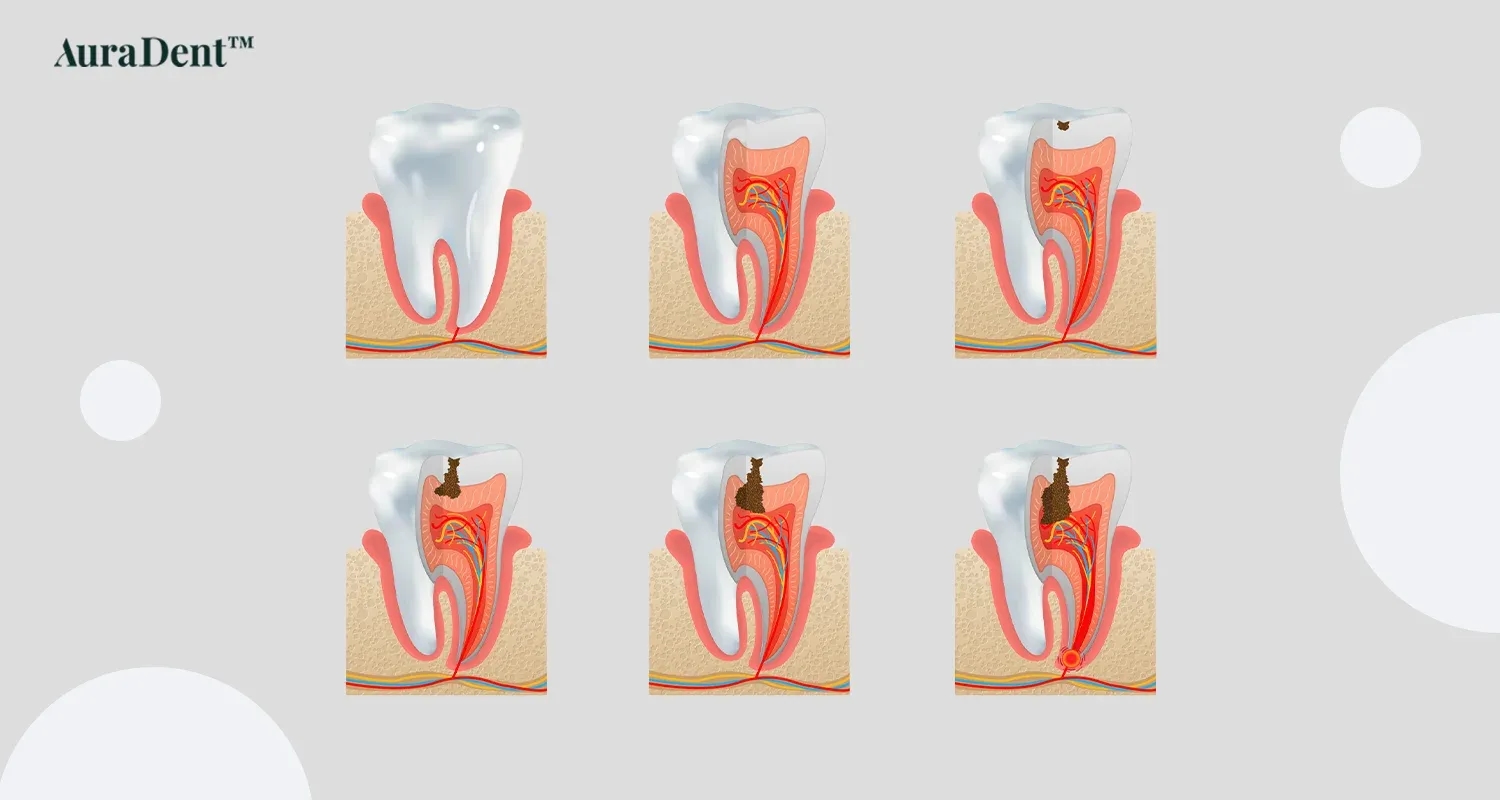
Caries, or cavities in the teeth, is caused by bacteria that produce acid when they break down sugars in food. The acid dissolves the minerals in the tooth enamel, leading to a gradual breakdown of the tooth surface. Without caries treatment, the process can progress into the tooth's inner tissues, which in the long run may require more advanced procedures such as root canal treatment or dental implants.
Early caries treatment with a filling is therefore crucial for preserving the tooth's structure, relieving pain, and preventing infection. Through regular dental check-ups, small cavities can be detected and treated before they develop further.
If you have recently undergone caries treatment and are still experiencing discomfort or sensitivity, it may be helpful to understand what is normal after a treatment. Please read our article "When Pain Persists: A Guide to Managing Toothache After Treatment," where we explain the causes of subsequent toothache and provide practical advice on relief and follow-up.
Different Types of Dental Fillings: Materials, Advantages, and Disadvantages
There are several types of filling materials used in modern dentistry. The choice is influenced by the tooth's location, aesthetic preferences, and durability requirements.
Composite Fillings (Tooth-Colored Fillings)
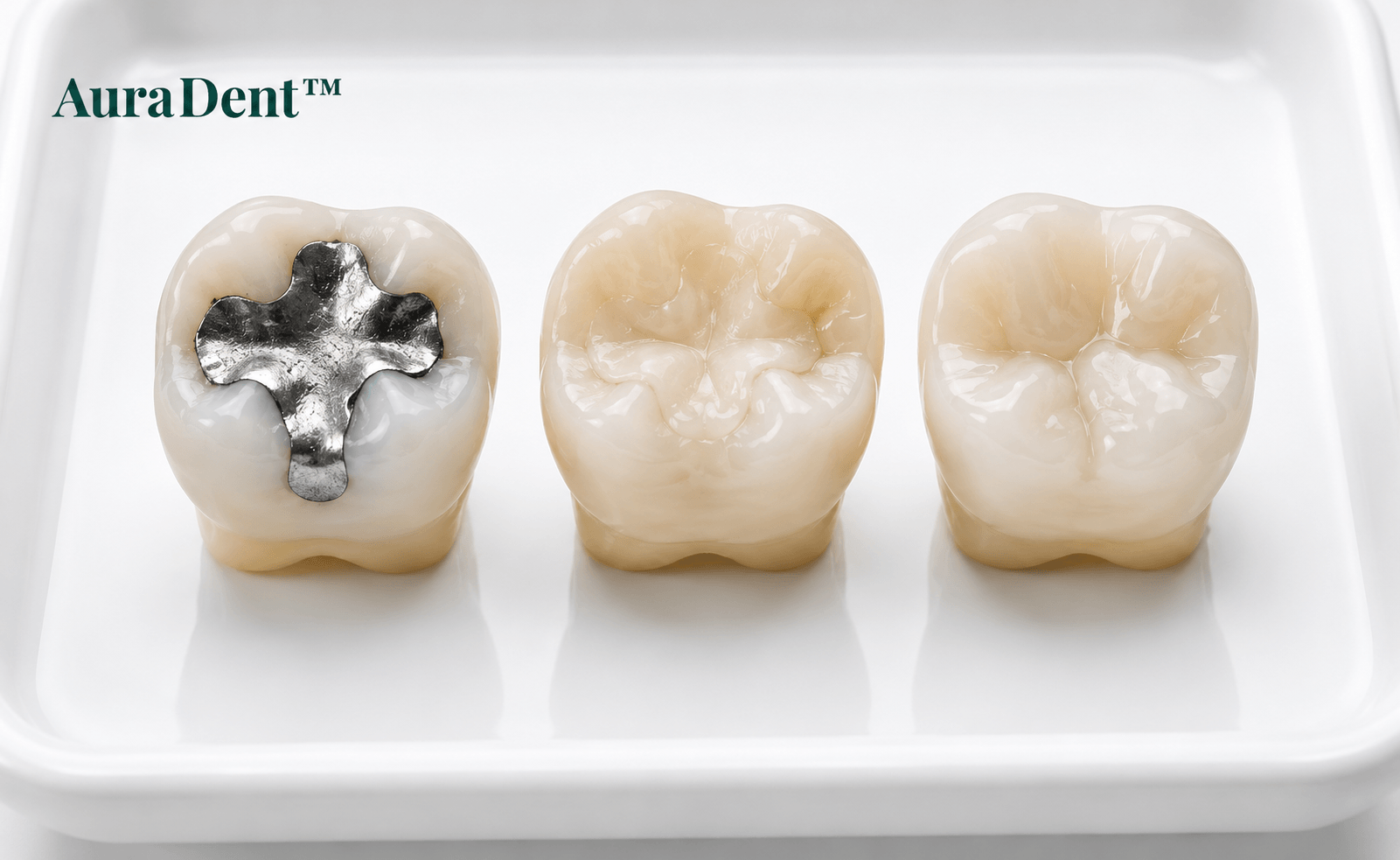
Composite fillings are the most common material in dentistry today. They consist of a plastic and glass-particle-based material that is hardened with light. The advantage is that the color can be matched exactly to the natural tooth, providing an aesthetically pleasing result. Composite fillings are ideal for both front teeth and molars.
- Advantages: Natural appearance, quick treatment, good adhesion.
- Disadvantages: Less durable for very large fillings, sensitive to chewing pressure over time.
Gold Fillings
Gold fillings are rarely used today but are known for their exceptional durability. The material is biocompatible, resistant to wear and stains, but requires several clinical visits and has a higher cost.
- Advantages: Very long lifespan and stability.
- Disadvantages: High price, less aesthetically pleasing, requires multiple appointments.
Glass Ionomer Fillings
Glass ionomer fillings consist of a combination of glass and polymer. They are often used on baby teeth or small cavities near the gum line. A unique property is that they continuously release fluoride, which strengthens enamel and reduces the risk of new caries.
- Advantages: Releases fluoride, easy application.
- Disadvantages: Less durable than composite, sensitive to chewing pressure.
Amalgam Fillings
Amalgam fillings were the standard material for dental fillings for a long time, but are no longer used in Sweden due to environmental and health reasons. They consisted of a metal mixture of mercury, silver, tin, and copper. Despite their durability, they have been replaced by modern and aesthetically better alternatives.
- Advantages: Long lifespan, high strength.
- Disadvantages: Contains mercury, discolors the tooth, no longer in use.
Step-by-Step: How Caries Treatment Works
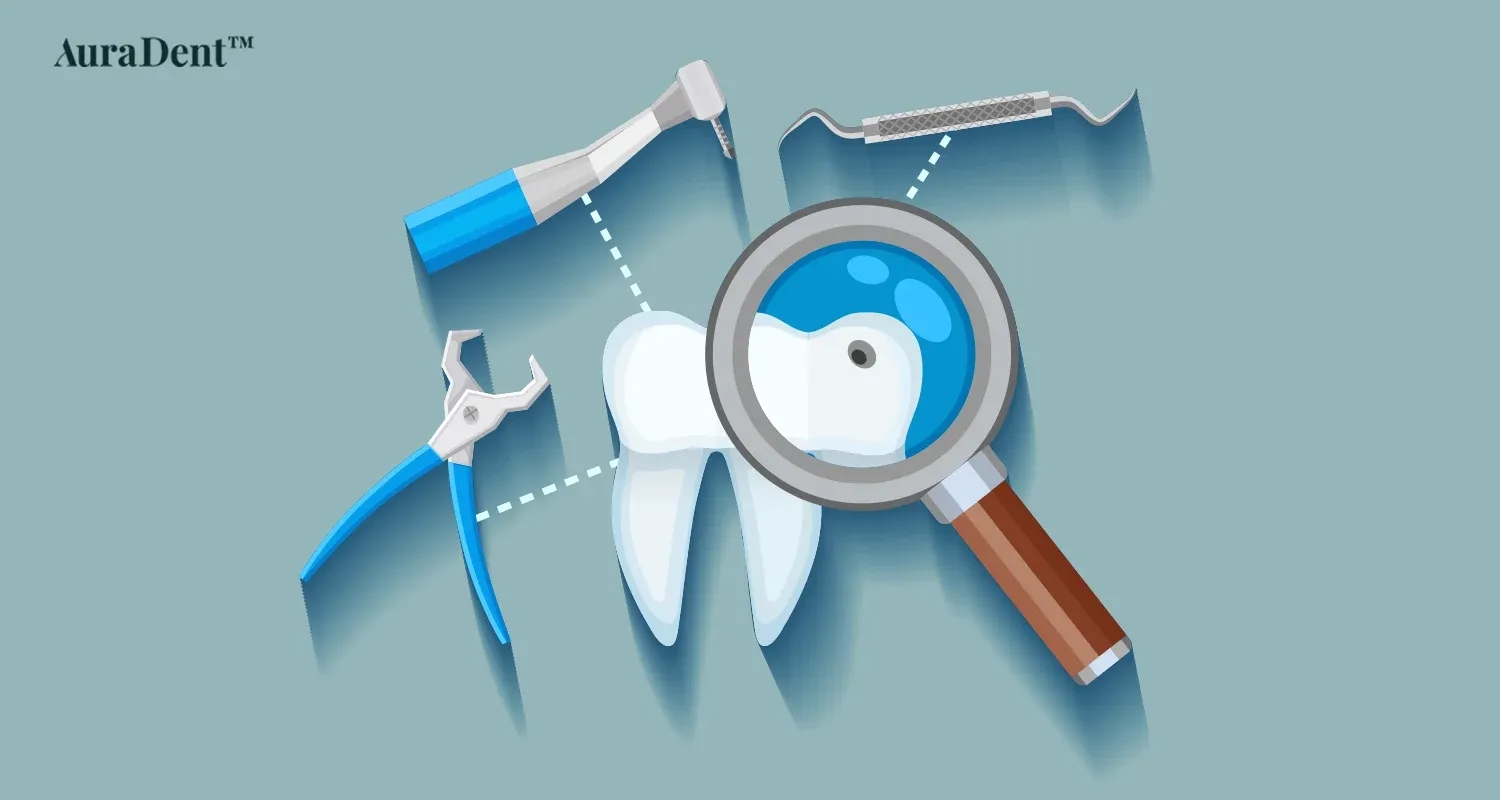
The process of filling a cavity is carefully structured to achieve the best possible result.
- Examination and diagnosis: The dentist identifies the caries through a clinical examination and sometimes X-rays.
- Anesthesia: If necessary, local anesthesia is given to ensure a pain-free treatment.
- Removal of caries: The damaged tooth tissue is removed with precision to preserve healthy tissue.
- Placement of the filling: The chosen filling material is applied and shaped to restore the tooth's natural contour.
- Polishing and check: The filling is smoothed and adjusted to fit the bite and provide a natural surface.
The entire procedure typically takes between 30 and 60 minutes, depending on the extent of the caries.
After caries treatment, some patients may experience temporary tenderness or sensitivity in the teeth. This is usually a natural part of healing, but in some cases, it may indicate other underlying causes. To learn more about different types of toothache, their causes, and how to relieve discomfort safely, read the article "Toothache: Types, Causes, and Quick Relief."
How You Can Prevent Cavities
The best way to avoid future caries treatments is to focus on preventive measures. Good oral hygiene and regular dental visits are the keys to long-term dental health.
- Brush your teeth twice daily with fluoride toothpaste.
- Use dental floss or interdental brushes daily.
- Limit your intake of sugary drinks and snacks.
- Visit the dentist regularly for check-ups and professional cleaning.
Conclusion
Treating caries early with the right dental filling is crucial for preserving the tooth's function and aesthetics. By choosing the right material, following good oral hygiene habits, and attending regular check-ups, you can avoid more extensive dental treatments in the future.
At AuraDent™, we use the latest technology and individually tailored treatment plans to ensure durable and natural results. Book a consultation at AuraDent™ today for a professional assessment of your caries treatment.
FAQs