- General Dentistry
- Dental Hygiene
Types of Toothaches, Causes, and Quick Relief


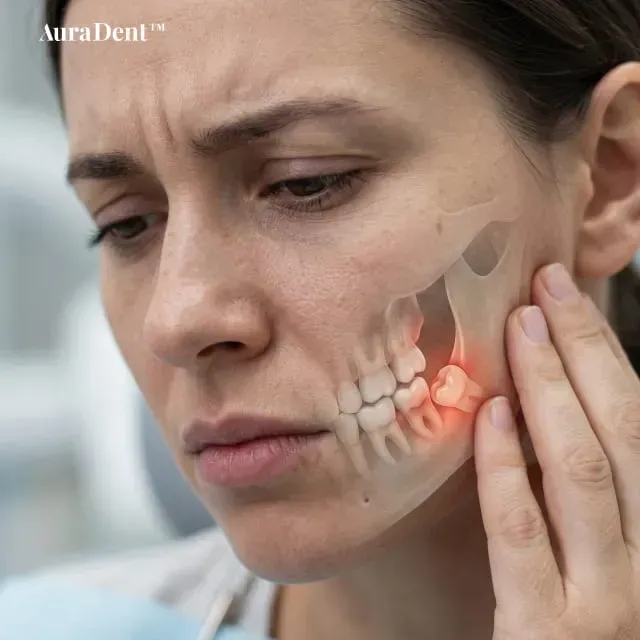
Toothache is one of the most debilitating types of pain there is. It can strike suddenly, disrupt your sleep, and affect your ability to eat, speak, and concentrate. Some people experience mild, dull pain, while others suffer from severe, throbbing pain that requires emergency care.
To treat toothache effectively, you need to understand its causes, recognize the symptoms, and know when home remedies are enough and when it’s time to book an appointment with a dentist.
This guide from AuraDent gives you everything you need to know: what causes toothache, how to relieve it quickly at home, and how to prevent future problems.
Key points at a glance
• Toothache can be caused by cavities, gum inflammation, wisdom teeth, or damage to the tooth.
• Home remedies such as saltwater, cold compresses, and hydrogen peroxide can provide temporary relief.
• In case of acute toothache or swelling, you should seek professional dental care immediately.
• Untreated toothache can lead to infection and tooth loss.
• Through good oral hygiene and regular checkups at AuraDent, you can prevent toothache and preserve your smile.
What causes toothaches?
Tooth pain can have many different causes. It can range from minor cavities to more serious infections in the tooth root. Sometimes the pain radiates to the ears, head, or jaw, making it difficult to pinpoint the source of the problem.
Some of the most common causes of toothaches are:
Tooth decay (cavities)
When bacteria in the mouth break down sugar, they produce acid that erodes tooth enamel. Without treatment, the cavity can grow and reach the tooth’s nerve, causing severe pain and infection.
Gum disease (gingivitis and periodontitis)
Inflamed gums can cause tenderness, bleeding, and pain. If left untreated, the infection can spread to the bone surrounding the tooth, leading to tooth loss.
Tooth Abscess (Boil)
A tooth abscess is a pus-filled infection at the root of a tooth. It causes severe, throbbing pain and may require emergency treatment.
Wisdom Teeth
When wisdom teeth grow crooked or become trapped beneath the gums, they can press against other teeth and cause pain, swelling, or infection.
Dental Trauma and Cracks
A blow, a fall, or biting down on something hard can cause cracks that expose the tooth’s nerve. Even minor injuries can lead to long-term pain if left untreated.
Teeth grinding (bruxism)
Grinding or clenching your teeth can strain the jaw and wear down the enamel, leading to both headaches and toothaches.

Quick relief at home: effective home remedies for toothache
If you get a toothache in the evening or on a weekend, you can try some home remedies to ease the pain until you can see a dentist. These methods provide temporary relief but do not replace professional treatment.
1. Saltwater rinse
Mix half a teaspoon of salt in a glass of warm water and rinse your mouth for 30 seconds. This cleans the area and reduces swelling and irritation.
2. Hydrogen peroxide rinse (3%)
Dilute hydrogen peroxide with water (one part hydrogen peroxide, two parts water) and rinse your mouth for 30 seconds. This can reduce bacteria and inflammation. Avoid swallowing the liquid.
3. Cold compress
Apply an ice pack to your cheek for 10–15 minutes to reduce pain and swelling. Repeat several times throughout the day.
4. Clove oil
Clove contains eugenol, a natural pain reliever. Put a small amount of oil on a cotton ball and hold it against the sore tooth for a few minutes.
5. Over-the-counter pain relievers
Medications such as ibuprofen or paracetamol can provide temporary relief. Always follow the dosage instructions and consult a pharmacist if unsure.
6. Keep your head elevated while sleeping
Pain can worsen when you lie down because blood pools in the head. Try sleeping with an extra pillow to reduce pressure on the tooth.
7. Avoid extreme temperatures
Do not eat or drink anything very hot or cold. Sensitive teeth react strongly to temperature changes.
When should you seek emergency dental care?
Not all toothaches require emergency care, but some symptoms make it necessary to contact a dentist quickly. You should seek help if you have:
- Severe pain that does not subside with over-the-counter medications
- Fever, swelling, or pus formation in the mouth
- Difficulty opening your mouth or chewing
- A tooth that has been knocked out or broken due to an accident
- Pain that keeps you awake at night
In such cases, prompt treatment is crucial to avoid the spread of infection and serious complications.
AuraDent offers emergency dental care with short waiting times. Book your appointment today and receive professional help on the same day. Follow all instructions carefully to speed up your recovery and prevent complications.

How is toothache treated at the dentist?
Treatment depends on the cause of the pain. After a thorough examination and possibly an X-ray, the dentist identifies the cause and selects the appropriate treatment.
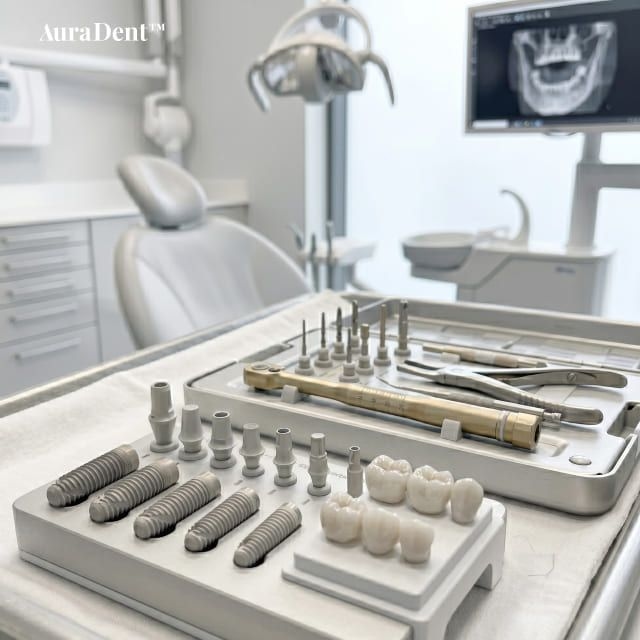
In cases of tooth decay, the cavity is filled, or a root canal is performed if the nerve is damaged. For gum inflammation, a professional cleaning is performed to remove plaque and tartar. A tooth abscess may require antibiotics or drainage. In cases of severe damage, the tooth may need to be replaced with an implant.
All treatment is performed under local anesthesia to ensure you feel safe and pain-free. At AuraDent, we use modern technology to ensure both comfort and long-lasting results.
How can you prevent toothaches?
Prevention is always better than treatment. Good oral hygiene and healthy habits are the most effective ways to prevent toothaches.
- Brush your teeth twice a day with fluoride toothpaste
- Floss daily to remove plaque between your teeth
- Rinse your mouth after meals, preferably with water or a fluoride mouthwash
- Avoid excessive sugar and acidic beverages
- Drink plenty of water to keep saliva production going
- Quit smoking and limit alcohol consumption
- Visit the dentist regularly for checkups and professional cleanings
Want to learn more about how to strengthen your gums and prevent future toothaches? Read our guide: Healthy Gums: Prevent Gum Disease & Keep Your Mouth Healthy.
Conclusion: Take Toothaches Seriously
A toothache isn’t just a temporary discomfort; it’s often your body’s way of telling you that something is wrong. It may be caused by an infection, inflammation, or injury that needs to be addressed quickly. Ignoring a toothache can lead to more serious problems, the spread of bacteria, and a longer treatment process.
By acting early and following your dentist’s recommendations, you can reduce the risk of complications and regain comfort in your daily life. Regular dental visits, good oral hygiene, and healthy habits are key to preventing both toothaches and future dental problems.
At AuraDent, you’ll meet a team of experienced dentists who always put your comfort first. We offer modern treatment methods, pain-free procedures, and personalized advice to help you understand the cause of your toothache and how to prevent it from returning.
Book an appointment at AuraDent™ today for professional help, quick relief, and healthier teeth in the long run. We’re here to give you a smile that both feels and looks healthy.
FAQs
Dr. Panteha Bigdeli
Related Posts