
- General Dentistry
- Dental Hygiene
Tooth Loss (Periodontitis): Causes, Symptoms, and Treatment

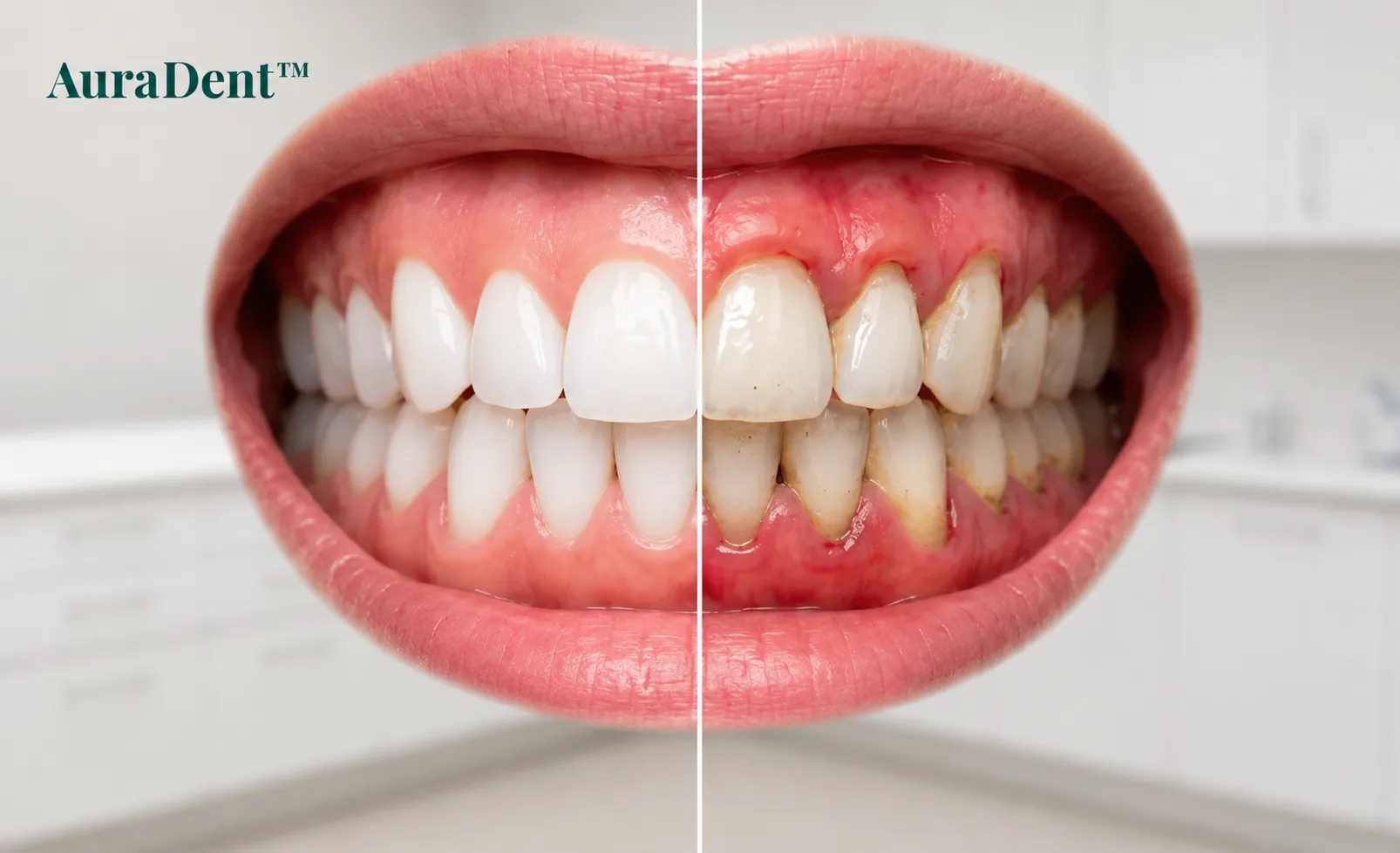
Periodontitis (Gum Disease): A Complete Guide
Periodontitis, also called gum disease, is one of the most common causes of tooth loss in adults. It is a slowly developing disease that often begins without clear symptoms but can have serious consequences if not treated in time. In this guide, we go through what periodontitis is, why it occurs, which signs you should watch out for, and how it can be treated and prevented effectively.
Key Points in Brief
- Periodontitis is mainly caused by plaque and tartar.
- The disease often begins as gum inflammation and can lead to tooth loss if not treated.
- Smoking, genetics, and diseases such as diabetes increase the risk of periodontitis.
- Early treatment can stop the progression of the disease and save the teeth.
- Regular dental care and good oral hygiene are the best protection against gum disease.
What Is Periodontitis?
Periodontitis is a chronic inflammation of the tissues that hold the teeth in place. It develops when bacteria in plaque, a thin film that forms on the teeth every day, are not removed properly.
If plaque is left in place, it hardens into tartar, which irritates the gums and allows bacteria to penetrate deeper into the gum pockets. Over time, the bone around the tooth breaks down, which can make the tooth loose and, in the worst case, lead to it falling out completely.
The disease develops slowly and usually without pain, which means many people do not notice periodontitis until the teeth have already been affected.
If periodontitis has led to a tooth needing to be removed, it is important to know how to care for your mouth after the procedure. Read our article "After Tooth Extraction: A Complete Guide to Fast Healing and Proper Care (Day by Day)" for practical advice on the healing process and how to best protect your gums.
Causes of Periodontitis
There are several factors that increase the risk of developing gum disease, but the most common causes are:
- Poor oral hygiene: Inadequate brushing and flossing allow plaque and bacteria to accumulate along the gums.
- Plaque and tartar: When plaque is not removed regularly, it hardens into tartar that only a dentist can remove.
- Smoking: Tobacco reduces blood flow to the gums and often masks the symptoms of the disease, making diagnosis more difficult.
- Genetic factors: Some people have a hereditary predisposition to develop periodontitis even with good oral hygiene.
- Diseases and hormones: Diabetes, hormonal changes, and a weakened immune system can increase the risk of gum disease.
- Stress: Long-term stress can weaken the body's defense against bacteria.
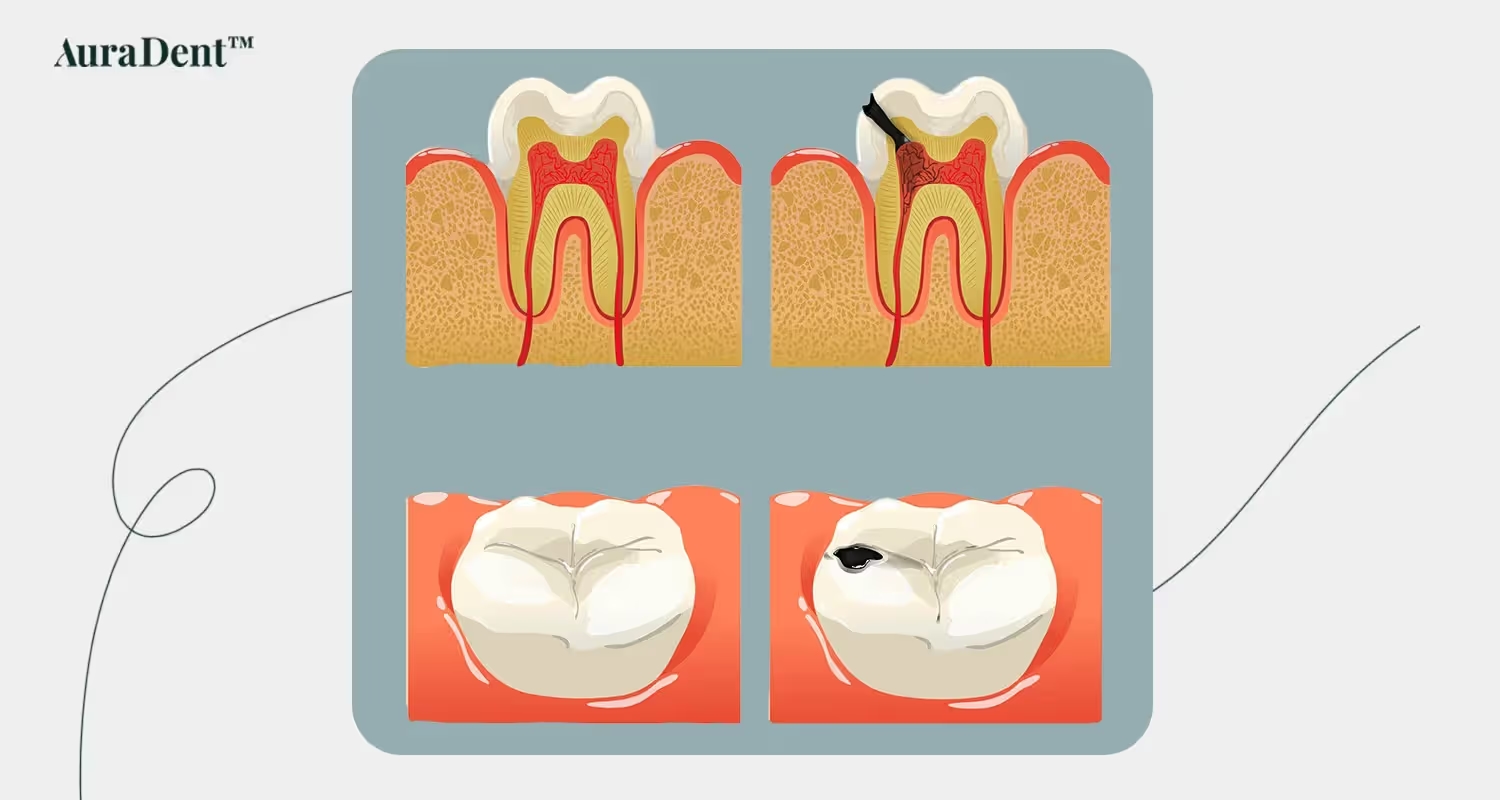
Symptoms of Periodontitis
Gum disease develops gradually and often begins as gingivitis (gum inflammation). The earlier you identify the symptoms, the greater the chance that treatment will be successful.
Common signs of periodontitis are:
- Bleeding gums when brushing or flossing
- Swollen, red, or tender gums
- Bad breath or an unpleasant taste in the mouth
- Receding gums that make teeth appear longer
- A feeling that teeth are loose or shifting
- Pain when chewing or applying pressure
If you experience any of these symptoms, you should book an appointment with your dentist for an examination as soon as possible.
If periodontitis has affected your teeth and you have received implants, it is important to care for them properly to avoid new problems. Read our article "Dental Implant Aftercare: Your Complete Guide to Healing and Maintenance" for practical advice on how to preserve the result, promote healing, and keep your smile healthy for a long time.
Diagnosis of Periodontitis
Because gum disease is often silent in the beginning, a professional assessment is required to detect it.
The dentist examines the health of the gums, measures the pocket depth around each tooth (periodontal probing), and takes X-rays to assess bone loss.
Regular dental check-ups are crucial for detecting periodontitis early and preventing the condition from worsening.
Treatment of Periodontitis
The goal of treatment is to stop the infection, reduce inflammation, and prevent further tissue loss. It may include several steps:
- Professional cleaning: Plaque and tartar are removed both above and below the gum line.
- Antibiotics: In some cases, antibacterial agents are used to control the infection.
- Surgical treatment: If the pockets around the teeth are deep, gum surgery may be necessary to clean the area and facilitate healing.
- Home care: Daily, thorough oral hygiene is essential for maintaining the results of the treatment.
Your dentist will create an individualized treatment plan based on how far your periodontitis has progressed.
In more advanced cases, bacterial infections in the gums may require additional treatment. Read our article "Dental Infection and Antibiotics: Use, Types, and Why You Should Never Self-Medicate" to understand how antibiotics are used safely for dental infections and why the correct diagnosis is always crucial for effective healing.
How to Prevent Periodontitis
Preventing gum disease is possible through consistent oral care and healthy habits. Here are the most effective ways to protect your gums:
- Brush your teeth twice a day with fluoride toothpaste.
- Use dental floss or interdental brushes daily.
- Avoid tobacco products and reduce sugar intake.
- Schedule regular visits to your dentist or dental hygienist.
- Eat a varied diet rich in fruits, vegetables, and calcium-rich products.
Small changes in your daily routine can make a big difference in keeping your gums healthy and preventing gum disease.
Periodontitis and Your Overall Health
Research shows that periodontitis not only affects the mouth but the entire body. Bacteria from infected gums can enter the bloodstream and contribute to diseases such as:
- Cardiovascular disease
- Diabetes
- Pneumonia and other respiratory diseases
Caring for your oral health is therefore an investment in your overall health and well-being.
Conclusion
Periodontitis is a serious but fully treatable disease that can affect both your oral health and your overall health if not taken seriously. By detecting symptoms early, following the right treatment plan, and maintaining consistent oral hygiene, you can preserve your smile, reduce the risk of future problems, and enjoy strong, healthy teeth for many years to come.
At AuraDent, we offer professional treatment for periodontitis with a focus on long-term results, modern technology, and individually tailored care. Our goal is to help you restore a healthy oral environment and prevent the disease from returning.
Book a consultation today to receive a thorough examination and begin your journey toward healthy gums, strong teeth, and a smile you can feel confident with every day.
FAQs