
- Dental Hygiene
Dental Floss for Kids: A Complete Guide to Good Oral Health

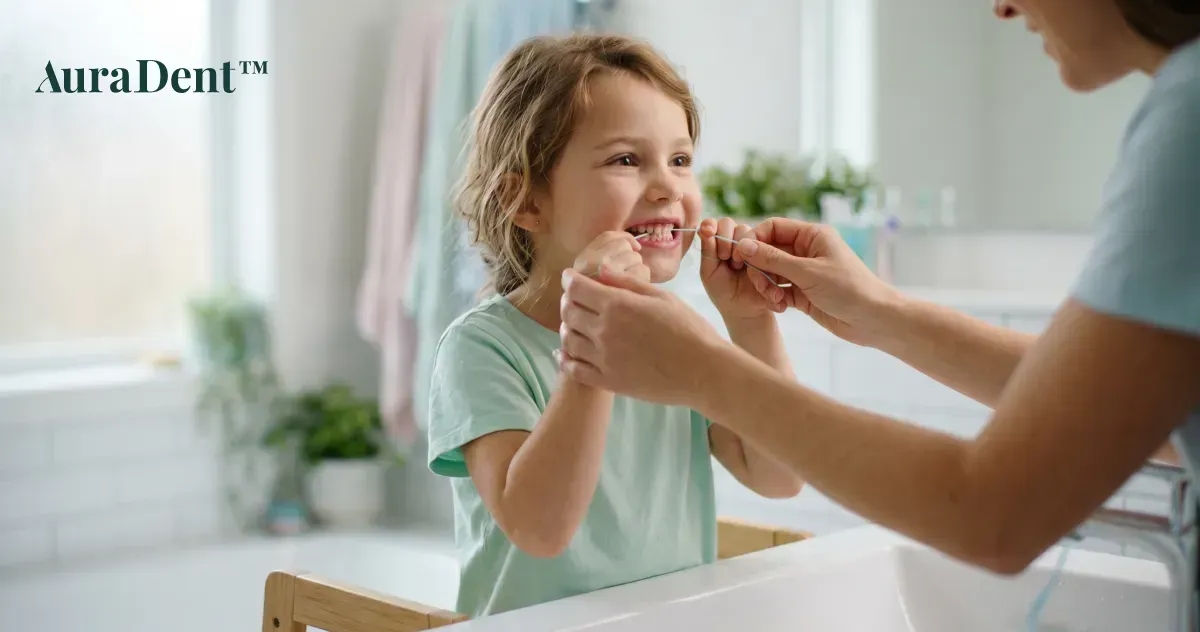
As a parent, it can be difficult to know when and how to introduce dental floss to children. Many believe that flossing is only important for adults, but in fact, it plays a crucial role from an early age. Even baby teeth require careful care because they affect how the permanent teeth develop and how the bite is formed.
Key points in brief
- Children's dental floss should be introduced when two teeth begin to touch each other.
- Regular use reduces the risk of cavities and gum inflammation.
- Parents need to help until the child can floss independently.
- Child-friendly aids make the routine easier and more enjoyable.
- Early introduction of flossing creates habits that last a lifetime.
Why Children's Dental Floss Is as Important as Toothbrushing
Many believe that brushing is enough, but the toothbrush bristles cannot reach the tight spaces between the teeth. That is why children's dental floss is just as important as toothbrushing.
Floss removes food debris and bacterial plaque between the teeth where plaque would otherwise form. For children, who often do not brush as effectively as adults, this is a simple way to prevent cavities and inflammations.
Furthermore, healthy baby teeth are crucial for permanent teeth to emerge in the correct positions. By introducing children's dental floss early, you create the conditions for a healthy and stable bite.
For more expert tips on daily dental care routines, you can read the article Brush your teeth before or after breakfast? and get the dentist's recommendations for a healthy morning routine.
When to Start Using Dental Floss for Children
The best time to introduce children's dental floss is when two teeth begin to touch each other, usually between two and six years of age. When contact points form, food debris can get trapped, making flossing necessary.
In the beginning, adult assistance is required. Parents can gently guide the floss between the child's teeth while showing that it should not hurt. It is important to create a positive experience so that the child does not develop an aversion to dental care.
As the child gets older and develops better motor skills, responsibility can gradually be handed over. The goal is for children's dental floss to become a natural part of the evening routine, just like toothbrushing.

How Often Should Children Use Dental Floss
Dentists recommend that children's dental floss be used at least once a day, preferably in the evening before bedtime. During the night, saliva production decreases, making it easier for bacteria to cause cavities.
By flossing every evening, plaque and food debris are removed before the child falls asleep, which significantly reduces the risk of tooth decay. Regularity is the key to long-term healthy teeth and gums.
For a deeper understanding of how often dental floss should be used and why it makes such a big difference for oral health, you can read the article How Often Should You Use Dental Floss? and take part in the dentist's professional advice.
Step-by-Step: How to Teach Your Child to Use Dental Floss
Teaching children's dental floss can feel challenging, but with the right strategy, it becomes easy and fun. Follow these steps:
- Lead by example: Children learn best by watching. Use dental floss together.
- Use child-friendly products: Floss picks or flavored flosses are easy to handle.
- Explain why: Tell them that floss removes bacteria that the toothbrush cannot reach.
- Use a mirror: Let the child see how the floss is guided between the teeth.
- Make it a routine: Floss every evening after toothbrushing.
- Encourage and praise: Positive reinforcement makes a big difference.
- Be patient: Children need time to master the technique.
When children's dental floss is introduced in a positive way, it becomes a natural part of the child's oral care routine.
Do you want to understand even more about why flossing plays such an important role for both children and adults? Read the article Is Flossing Important? and gain a deeper insight into how regular flossing protects the gums and strengthens oral health.
Seven Fun Ways to Motivate Children to Use Dental Floss
To make children's dental flossing a habit, it needs to feel both fun and meaningful. Here are seven ways to inspire:
- Reward chart: Give small rewards when the child flosses regularly.
- Family activity: Make flossing a shared evening routine.
- Colorful floss picks: Let the child choose their favorites.
- Children's books and videos: Use educational resources that show how important it is.
- Playful competition: Siblings or friends can compete in a positive way.
- Praise every attempt: Acknowledge the effort rather than the result.
- Music and song: Play a fun song while you floss together.
Playful elements make children's dental flossing associated with something positive, which increases motivation over time.

Managing Dental Fear in Children
Some children may feel anxiety about dental care, especially when new routines like flossing are introduced. To make the process easier, you can:
- Calmly explain why children's dental floss is important.
- Show the floss and let the child feel it before use.
- Take small steps and avoid pressure.
- Schedule dental visits in a safe environment where the child can ask questions.
Addressing dental fear in children early is crucial for creating a positive relationship with dental care.
Conclusion
Introducing children's dental floss early is one of the most effective measures for preventing cavities and building good oral care routines right from the start. Regular use of floss helps remove bacteria and plaque where the toothbrush cannot reach, protecting both teeth and gums. When flossing is combined with daily toothbrushing and healthy eating habits, a strong foundation for lifelong oral health is created.
For advice on how best to introduce children's dental floss into your family's daily routine, feel free to book a free consultation at AuraDent. Our dentists provide personalized recommendations and practical tips for creating sustainable habits. Book your appointment today and take the first step toward a healthier, stronger child's smile.
FAQs