- General Dentistry
Dental Implants for Diabetics: A Complete Guide to Safe Treatment


Key Points at a Glance
- Dental implants for diabetics require special planning and follow-up to ensure a safe and long-lasting result.
- Diabetes affects the body's healing ability and increases the risk of infection.
- Good blood sugar control is crucial before and after implant surgery.
- Modern technology makes dental implants safe even for people with diabetes.
- Collaboration between the dentist and physician provides the best conditions for successful treatment.
- Careful aftercare and a healthy lifestyle promote long-term implant health.
Why Do Dental Implants Require Extra Consideration in Diabetics?
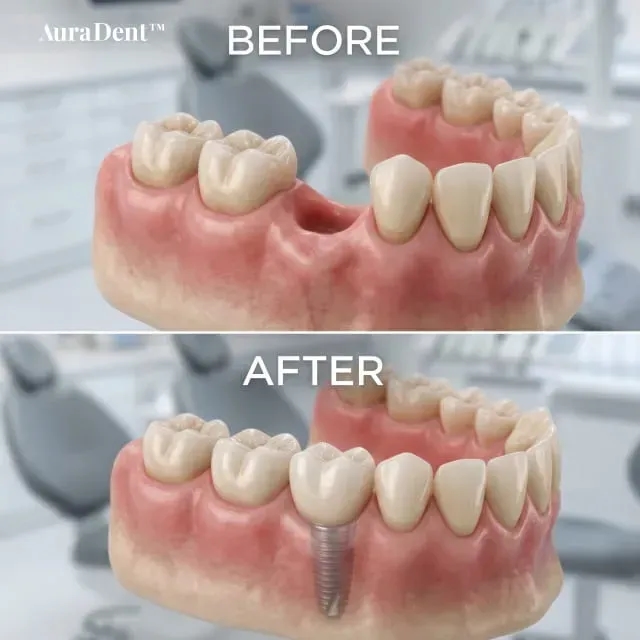
Many people with diabetes mistakenly believe that they cannot get dental implants. The truth is that it is entirely possible, but it requires careful planning and stable blood sugar control.
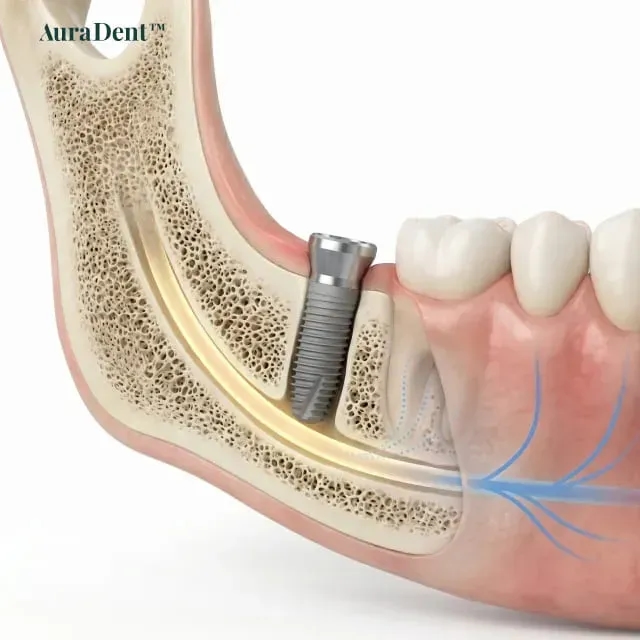
Diabetes affects the body's immune system and can impair healing after surgical procedures. Since a dental implant is anchored directly into the jawbone, both the physician and dentist need to collaborate to ensure that the treatment is carried out under optimal conditions.
When diabetes is well-controlled, implant treatment can achieve the same success rate as in patients without diabetes.
Do you want to understand more about the risks and complications that can arise with implant treatment? Read our guide Dental Implant Risks and Complications: Symptoms and Solutions to learn how to prevent problems and ensure a safe outcome.
The Main Risks of Dental Implants in Diabetes
Increased Risk of Infection – How Diabetes Affects the Immune System
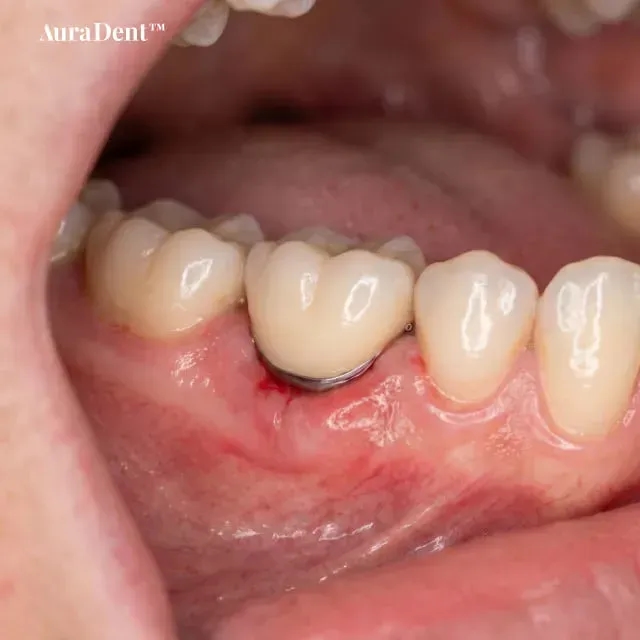
People with diabetes often have a weakened immune system, making infections more likely to occur. An infection around the implant, called peri-implantitis, can lead to bone loss.
To reduce the risk, it is important to keep your mouth clean, brush gently after surgery, and follow all aftercare instructions from your dentist.
Slower Healing – The Role of Blood Sugar in Recovery
Elevated blood sugar levels can reduce circulation and slow the body's natural healing. By keeping blood sugar stable, you increase the chance of faster recovery and stronger integration between the implant and jawbone.
Risk of Implant Failure – Can the Body Reject the Implant?
In people with poorly regulated diabetes, the implant may have more difficulty integrating with the bone. Therefore, any gum problems should be treated before surgery and blood sugar should be stabilized.
Do you want to understand more about why tooth loss occurs and what treatment options are available? Read our article Are you missing teeth? Causes, consequences, and the best solutions to discover how you can restore both function and aesthetics safely.
Step by Step – How to Ensure a Successful Result
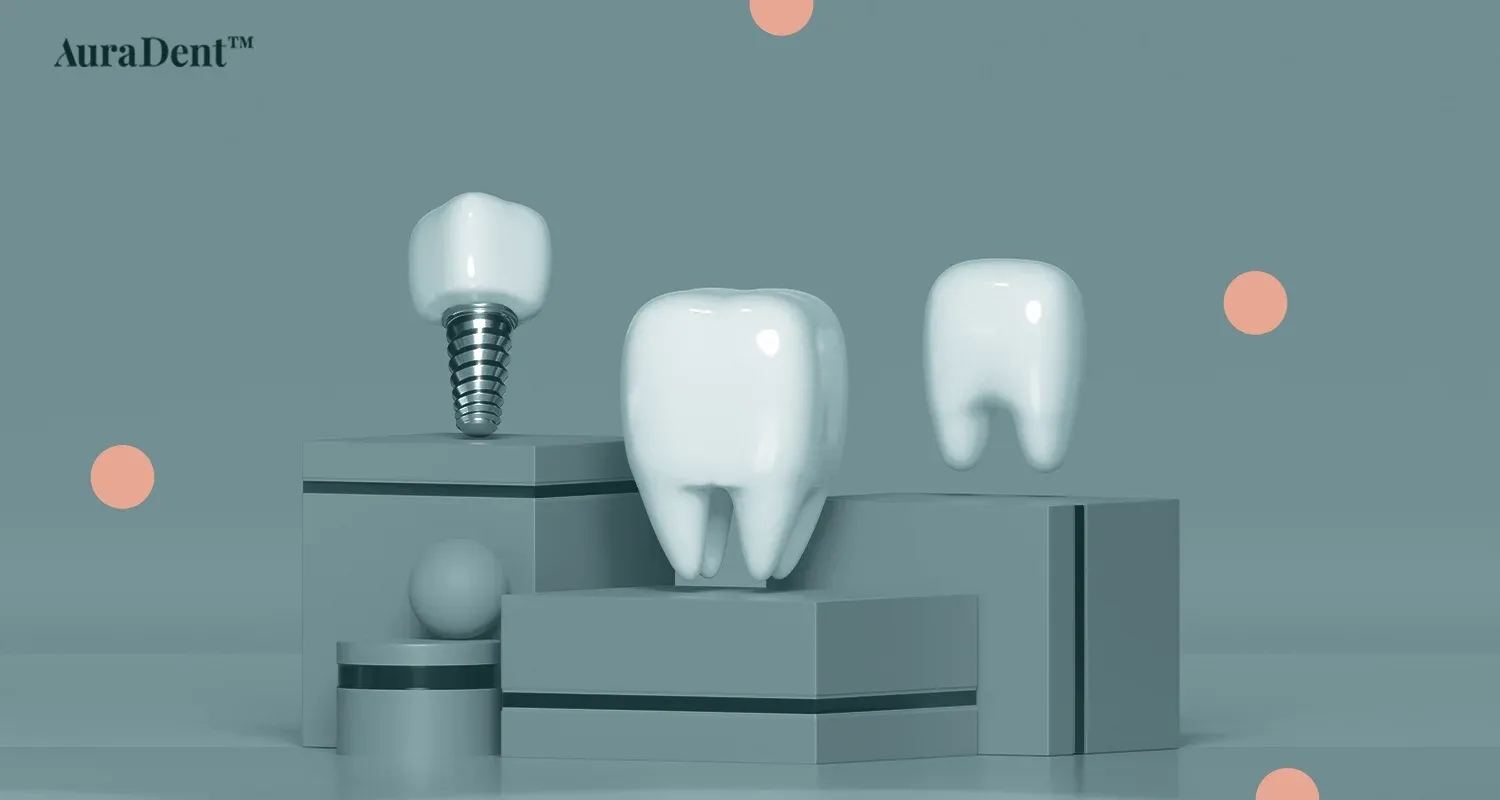
Success with dental implants for diabetics is not just about the surgery itself. Every step in the process plays a crucial role in ensuring that the implant integrates properly and that healing is stable. With the right preparations, techniques, and aftercare, even people with diabetes can achieve a long-lasting and aesthetic result.
Before Surgery – Preparations That Make a Difference
Before the implant is placed, there are several important steps that lay the foundation for a successful treatment. These preparations reduce risks, strengthen the immune system, and optimize the body's ability to heal. Being well-prepared is the single most important factor behind a safe and successful implant treatment.
- Check your blood sugar: Stable blood sugar is the foundation of a successful treatment. Discuss with your physician how best to adjust your treatment plan before surgery.
- Consult with your physician and dentist: Your medical team should coordinate information about your health to ensure you are ready for implant treatment.
- Treat existing oral problems: Any cavities or gum disease must be treated before the implant is placed to reduce the risk of infection.
During Surgery – Modern Techniques for Your Safety
Today, dentists use minimally invasive surgical methods that reduce discomfort and speed up healing. For patients with diabetes, antibiotic prophylaxis may be used to prevent infection.
Aftercare for Diabetics – The Key to Long-Term Success
Aftercare is crucial for how well the implant heals and lasts over time. For people with diabetes, extra care with hygiene, diet, and lifestyle is required to avoid complications and achieve a stable result.
- Thorough oral hygiene: Keep the implant area clean through careful brushing, flossing, and mouthwash. A clean oral environment reduces the risk of bacterial growth.
- Diet and nutrition for faster healing: Eat a balanced diet rich in protein and vitamins. Foods such as fish, eggs, beans, and dairy products strengthen the immune system and promote tissue regeneration.
- The importance of smoking cessation: Smoking impairs blood flow and slows healing. For patients who smoke, it is strongly recommended to quit before surgery.
Do you want to know more about how to avoid complications after implant surgery? Read our article Nerve pain and nerve damage after dental implants: A complete guide to understand causes, symptoms, and how to prevent long-term discomfort.

Conclusion
Dental implants for diabetics can be performed safely with the right planning and careful aftercare. The keys to success are stable blood sugar control, good oral hygiene, and close collaboration with both dentist and physician.
By understanding the specific risks associated with diabetes and taking preventive action, you can reduce the risk of complications and achieve a long-lasting result.
Are you ready to take the next step toward a new smile? Book a free consultation with AuraDent's specialists today. We will help you create a safe and personalized plan for your implant treatment.
FAQs
Dr. Panteha Bigdeli
Related Posts