
- General Dentistry
What should you say to get braces? How to prepare for the conversation with your dentist


It is common to feel some uncertainty before a dental visit, especially when considering orthodontic treatment. You may wonder whether your bite problem is significant enough, or find it difficult to describe what you experience as bothersome. Today, there are also several different types of braces, from traditional models to more discreet options like Invisalign, which can make the choice more complicated.
In this guide, you will receive support on how to prepare for the conversation with your dentist, regardless of whether you are already considering Invisalign or want to gain a clearer picture of the possibilities available.
Living with braces: What you need to know
When starting orthodontic treatment, many questions often arise, particularly regarding what to think about in daily life. A common concern is: what foods should you not eat when you have braces, or can you eat chips with braces? In general, patients should avoid hard, chewy, or sticky foods, as these can damage the brackets or get stuck in the braces and complicate oral hygiene.
Many parents ask: are braces free for children? In Sweden, orthodontic treatment is offered free of charge for children and adolescents up to a certain age, provided there is a medical need for treatment and that this is assessed and approved by the dental care system.
For those who want to understand more about the treatment process, you can read more about how braces work. There we explain how controlled pressure affects the teeth and how the bone tissue around them is remodeled to enable safe and effective tooth movement.
When can braces be appropriate?
Orthodontic treatment may be appropriate for both functional and aesthetic reasons. This means that treatment is not only aimed at improving appearance but also at creating a bite that functions optimally in daily life. Here are some examples of common treatment indications:
- Teeth that are crooked or crowded, making cleaning difficult or affecting the smile
- Larger gaps between the teeth
- Bite irregularities such as overbite, underbite, or crossbite
- Difficulty chewing or speaking clearly
- Jaw tension, headaches, or other discomforts related to bite function
What you are experiencing is always worth discussing with your dentist, even if it feels like a small issue. Small adjustments can make a big difference for both comfort and treatment outcomes. If you have questions about how long you have to wear braces or how long you have to wear braces for an overbite, your dentist can provide an individual assessment based on your specific treatment and bite irregularity.
Different types of braces, what are the options?
Today, there are several treatment options in orthodontics, and the choice depends on both medical needs and what works in daily life. Here are some of the most common types:
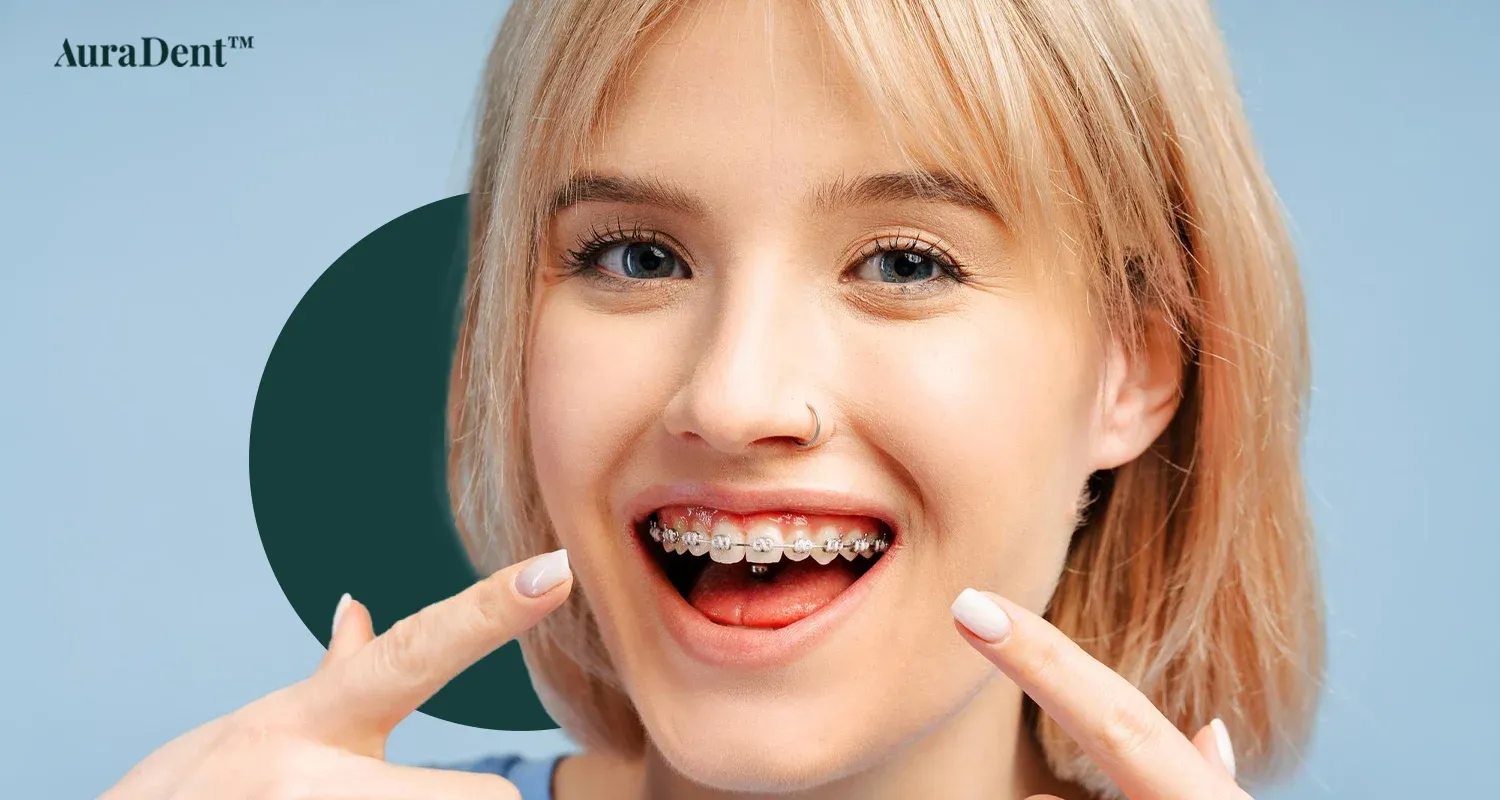
- Metal braces (fixed appliances): The classic version with metal brackets and wires that gradually move the teeth
- Ceramic braces: Work the same way as fixed appliances but have tooth-colored brackets that make them more discreet
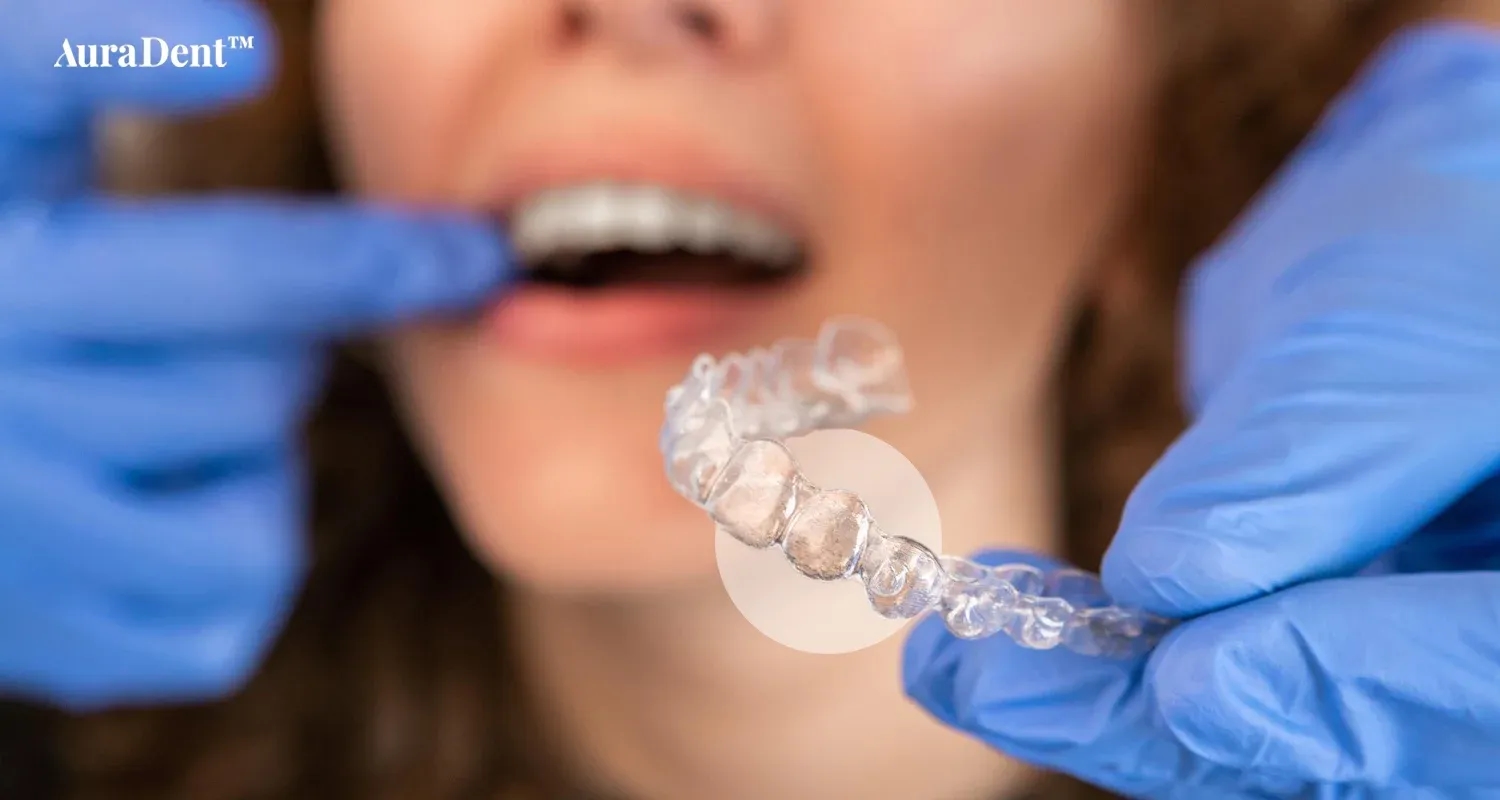
- Aligner systems (e.g., Invisalign): Clear, removable aligners that gradually move the teeth. The treatment is planned digitally, and the aligners are individually customized
Invisible braces, such as Invisalign, are a popular option for those who want to straighten their teeth discreetly, without any metal brackets. The treatment is planned digitally with high precision, and each clear aligner is individually manufactured to match your tooth row. Since the aligners are removable, you can eat, drink, and brush your teeth as usual, making it easier to maintain good oral hygiene throughout the treatment.
What can you say to the dentist?
You don't need to know medical terms or know exactly which treatment you are looking for. The most important thing is that you describe what you yourself are experiencing or what you would like to change. Here are some examples of how you can express yourself:
- "I feel that my front teeth are crooked and wonder if it's possible to straighten them."
- "I have difficulty reaching between certain teeth when I brush; they are very tight."
- "I am interested in a more discreet type of braces and wonder if there is an option that could suit me."
It is perfectly fine to ask open-ended questions. For example, you can say:
- "Would Invisalign, or something similar, be an option for me?"
No matter what you are experiencing, it is perfectly okay to bring it up with the dentist, even if it feels like "a small thing."
If the dentist does not suggest braces right away
In some cases, the dentist assesses that your teeth or your bite do not require any active treatment. But if you yourself experience that something is affecting you in your daily life, you always have the opportunity to pursue the matter further. Here are some steps you can take:
- Ask for a referral to an orthodontic specialist for a more comprehensive and in-depth assessment.
- Consider getting a so-called second opinion from another dentist if you would like an additional perspective on your situation.

Good questions to ask
To get a clear and individual picture of your options, it can be helpful to ask questions during the visit. Here are some examples:
- "Are there medical indications for straightening my teeth, or is it primarily an aesthetic issue?"
- "What types of braces do you assess might be relevant in my case?"
- "How does Invisalign differ from fixed options, both in function and results?"
- "How long is the treatment time in my case, and what can I expect in terms of cost?"
- "What do I need to consider if I choose a removable solution, such as Invisalign?"
Prepare for your visit
A good way to feel more confident before the conversation is to prepare in advance. Here are some tips:
- Write down your questions or thoughts in advance so you don't forget anything during the visit.
- Bring a photo of your smile if it helps you show what you want to change or improve.
- Be clear about what you wish for; it is completely legitimate to care about both function and appearance.
Summary: Dare to ask
Today, there are several different treatment options in orthodontics, where Invisalign is one of the more modern and comfortable ways to achieve a straighter smile. Regardless of which solution proves most suitable for you, the most important thing is that you dare to ask questions and describe your wishes.
A first step is to book a consultation, where together with the dentist you can review your needs and receive an individual assessment.
FAQs