- General Dentistry
Severe Overbite in Children: An Evidence-Based Guide for Parents
-1.webp&w=3840&q=100)
Key Points at a Glance
• A severe overbite in children can lead to dental damage, functional problems, and psychosocial consequences.
• Early assessment and treatment lay the foundation for a stable and harmonious bite.
• Common causes include genetic factors, pacifier use, thumb-sucking, and imbalanced jaw growth.
• Treatment options include functional appliances, fixed braces, and Invisalign.
• An early consultation with an orthodontist at AuraDent enables preventive measures and personalized treatment.
What is a severe overbite in children, and what causes it?
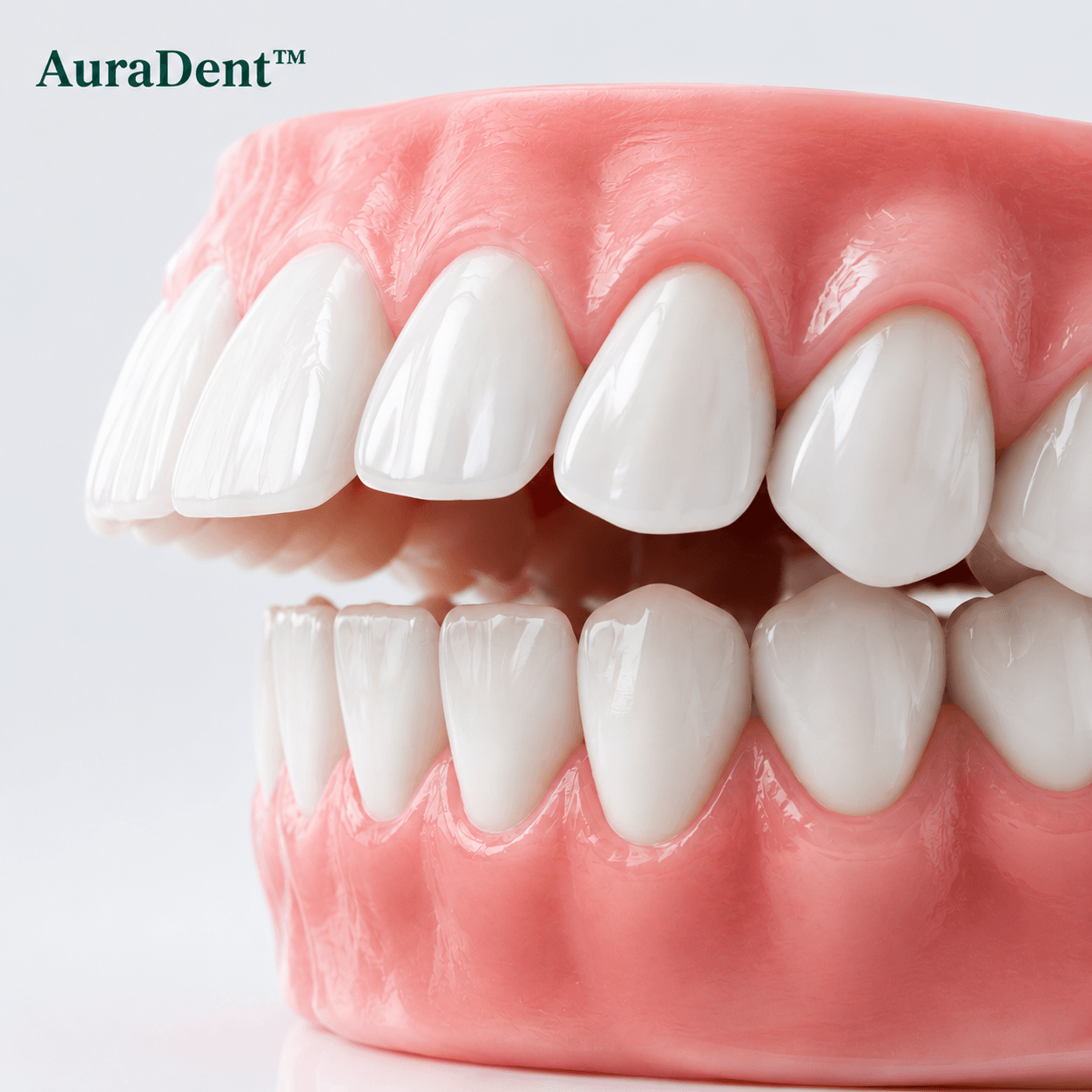
A severe overbite is defined as a malocclusion in which the upper front teeth are positioned significantly in front of the lower front teeth. In children, this condition usually arises from a combination of genetic factors and environmental habits that affect jaw growth and tooth position. The condition can also occur alongside crooked teeth, which further affects both the function of the bite and the aesthetic appearance.
Genetic Factors
Heredity plays a significant role in the development of malocclusions. Children whose parents have an overbite are at increased risk of developing the same condition. The size, shape, and growth patterns of the jaws are influenced by genetics, which often play a decisive role in the development of the bite.
Habits and functional factors
Habits such as prolonged pacifier use, thumb-sucking, or tongue-thrusting can affect the position of the teeth and the growth patterns of the jaws. These habits often cause the upper teeth to shift forward and the lower jaw to be held back in its growth.
Imbalanced jaw growth
In some cases, the upper jaw grows at a faster rate than the lower jaw, resulting in the upper dental arch protruding forward. This may require early orthodontic intervention to guide growth in the desired direction.
For more detailed information on different types of overbites and how they affect oral health, please read our comprehensive article on the subject.
Why Treatment for Severe Overbite in Children Is Necessary
Early intervention for a severe overbite is crucial to avoiding future complications. Without treatment, the child risks both functional and aesthetic problems that can affect their quality of life.
Increased risk of dental injury
Protruding front teeth are at greater risk of fracturing during falls or sports activities. Orthodontic treatment reduces the risk of trauma and protects the teeth in the long term.
Functional problems
An overbite can make it difficult to chew effectively and lead to abnormal wear on the front teeth. In some cases, it can also cause stress-related jaw pain as a result of uneven pressure distribution.
Speech difficulties
Misaligned teeth can affect sound production and lead to difficulties with certain speech sounds. In such cases, orthodontic treatment can be combined with speech therapy to achieve full correction.
Psychosocial Effects
Children with noticeable bite abnormalities often experience reduced self-esteem. Research shows that orthodontic treatment not only improves dental function but also enhances children's social confidence and quality of life.
Optimal Timing for Treatment and Available Methods
The first orthodontic assessment is recommended at seven to eight years of age. Early detection of a severe overbite in children enables treatment during the most favorable growth phase.
The Golden Treatment Period
The most effective time for treatment is during the child’s active growth period. By influencing jaw growth patterns, a stable and natural outcome can be achieved with minimal intervention.
Treatment Options
1. Functional appliances
Functional appliances are removable or fixed devices that influence jaw growth and promote forward movement of the lower jaw. They are primarily used in younger children to correct developmental bite abnormalities.
2. Fixed braces
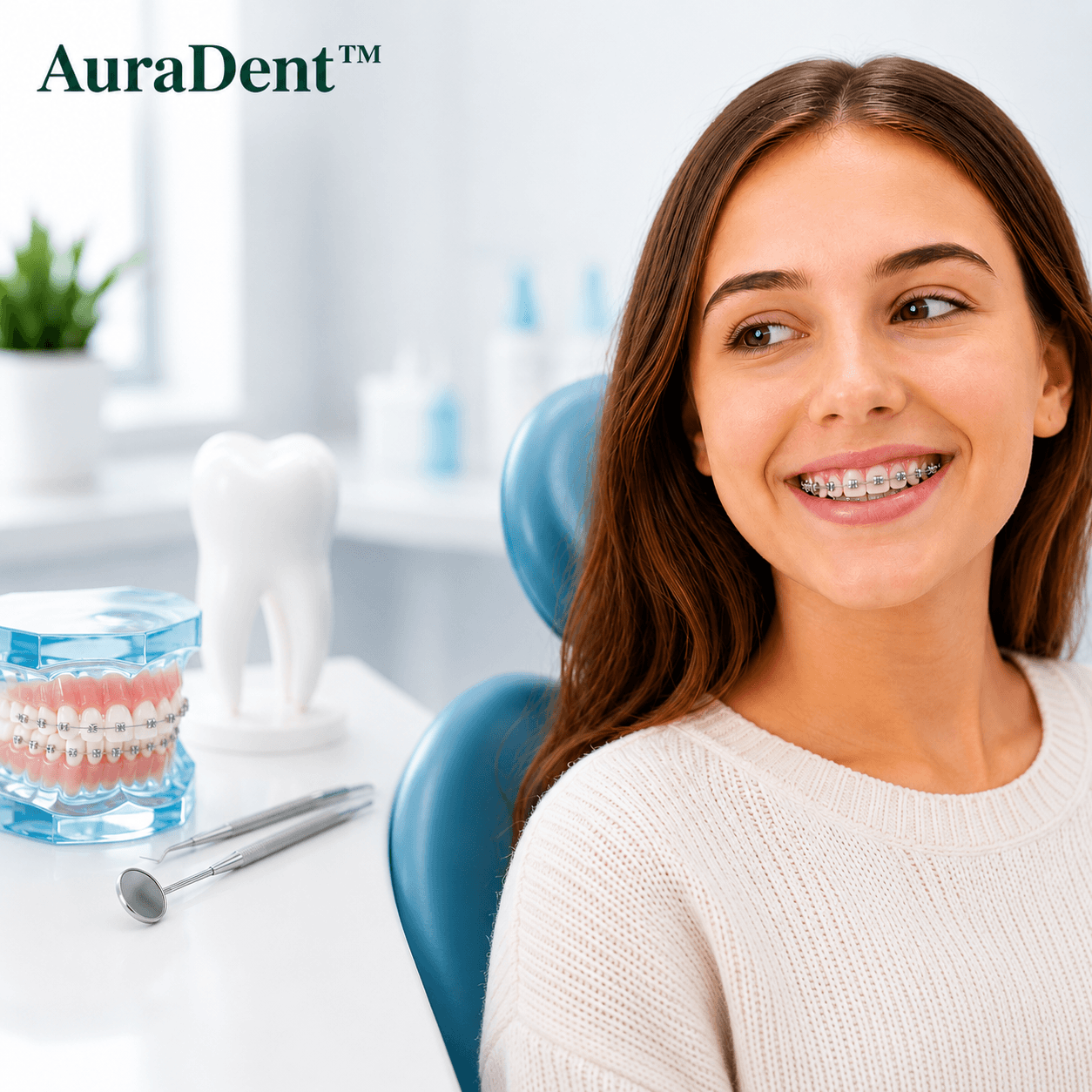
Fixed orthodontic appliances, often referred to as braces for overbite in children, are used once the child has received their permanent teeth. This method offers high precision and is effective in achieving long-lasting results.
3. Invisalign
Invisalign offers a modern and aesthetically pleasing treatment option. The clear aligners are removable, comfortable, and easy to clean. This method is particularly popular among older children and teenagers. For more information on prices and treatment options, see our page on Invisalign costs.
4. Combination Treatments
In more complex cases, multiple methods can be combined to ensure optimal function and aesthetics. This type of treatment is always planned individually following a thorough diagnosis.
The Treatment Process at AuraDent
Treatment for severe overbite in children at AuraDent follows a carefully structured process based on scientific evidence and individual needs.
Step 1: Consultation and Diagnosis
An orthodontic specialist conducts a clinical examination using digital impressions and X-rays to determine the diagnosis and treatment needs.
Step 2: Individualized Treatment Plan
A detailed plan is developed based on the child’s age, malocclusion, and growth potential. Parents receive clear information about treatment goals, the expected timeline, and aftercare.
Step 3: Start of Treatment and Follow-Up
Treatment begins with regular check-ups to monitor progress and make any necessary adjustments. Continuous follow-up ensures optimal tooth movement.
Step 4: Retention Phase
After active treatment is completed, a stabilization phase with retainers follows. This phase is crucial for maintaining the results and preventing relapse.
Treatment Duration and Expectations
Treatment duration varies between twelve and twenty-four months, depending on the severity of the malocclusion, the child’s age, and the choice of orthodontic appliance. Parents wondering how long braces for an overbite are typically worn can receive an individualized assessment during the first visit. Factors such as tooth eruption and growth influence the treatment timeline.
Cost considerations and reimbursement
The cost of treating a severe overbite in children depends on the treatment method, the complexity of the case, and whether the treatment involves one or both jaws. Invisalign is generally slightly more expensive than traditional braces but offers greater flexibility and better aesthetics.
For current pricing information and comparisons, see the page on Invisalign costs. In cases of medical necessity, the treatment may be partially covered by government dental insurance.
Conclusion
A severe overbite in children should always be evaluated by a dentist or orthodontist at an early age. Through early diagnosis and the right treatment strategy, it is possible to achieve both functional stability and aesthetic harmony. Modern orthodontics offers safe, effective, and individually tailored options for every child.
If your child has crooked teeth or signs of malocclusion, we recommend a consultation at AuraDent. Our orthodontic specialists design treatments based on scientific evidence and extensive clinical experience, with the goal of creating a healthy and balanced smile.
FAQs
Dr. Panteha Bigdeli
Related Posts