
- Cosmetic Tips
- General Dentistry
Teeth Whitening Guide: Effective Methods and Tips for a Radiant Smile

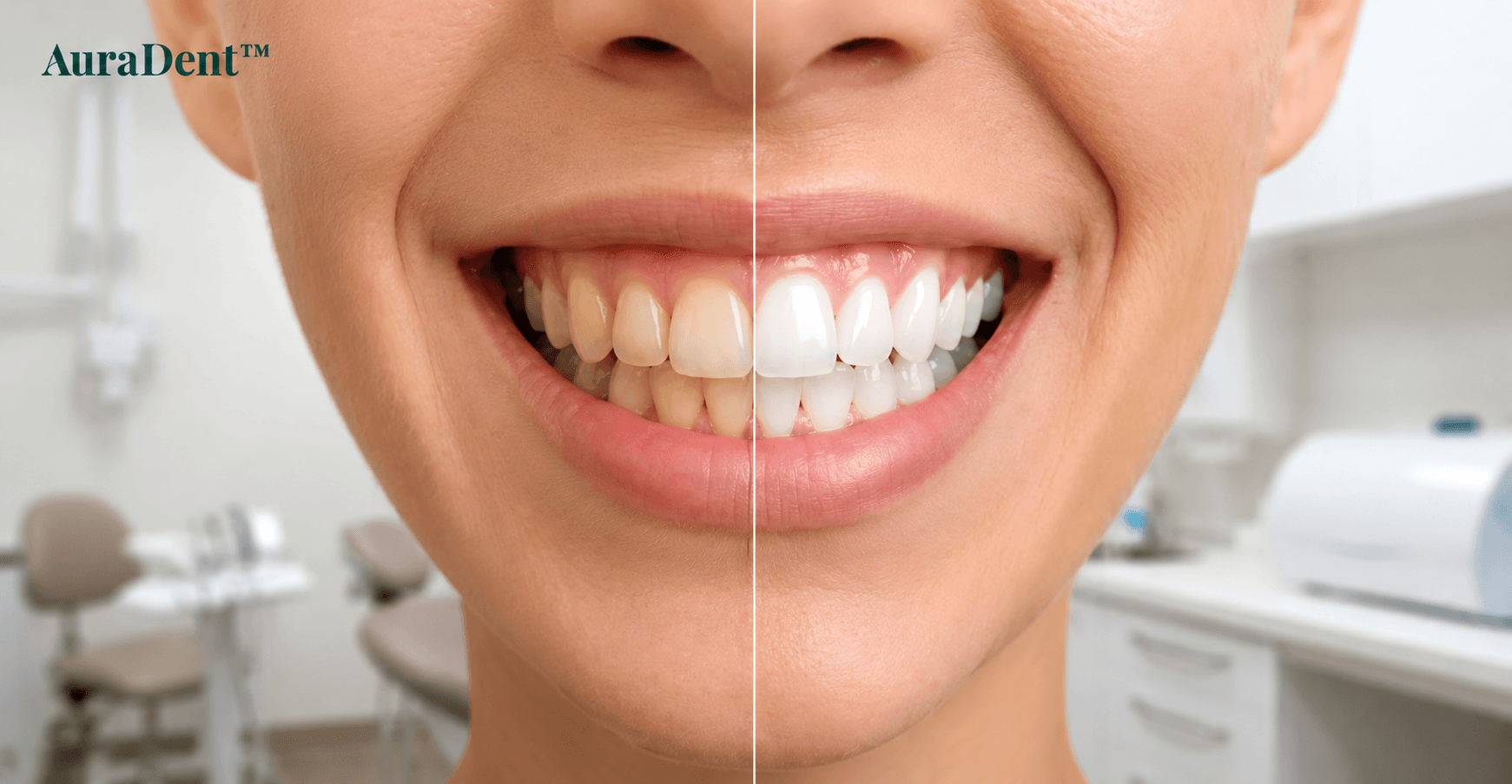
Key Points at a Glance
- This teeth whitening guide explains how you can achieve a brighter smile safely and effectively.
- Professional teeth whitening provides faster and more long-lasting results compared to at-home methods.
- Over-the-counter products such as toothpaste or strips may have some effect, but the results are often temporary.
- Age, diet, and lifestyle affect the outcome of teeth whitening and how long it lasts.
- A professional assessment by a dentist is important to avoid sensitivity and protect enamel.
- Good oral hygiene and healthy habits help you maintain a white smile longer.
Why Choose Teeth Whitening
This teeth whitening guide explains how the natural color of your teeth is affected by factors such as age, diet, genetics, and lifestyle. Beverages like coffee, tea, wine, and tobacco can gradually cause discoloration and darken your smile over time. Teeth whitening can restore a lighter shade to your teeth, improving both appearance and self-confidence.
For many, teeth whitening is more than just a cosmetic treatment. A white, harmonious smile creates well-being, boosts self-esteem, and leaves a positive impression in both professional and social settings.
Do you want to understand more about how tobacco affects tooth color and health? Read the article How does smoking affect your teeth? Everything you need to know to get the dentist's explanations of why smoking is one of the biggest causes of discolored and weakened teeth.
How Teeth Whitening Works
Teeth whitening works by allowing whitening agents such as hydrogen peroxide or carbamide peroxide to penetrate the enamel and break down discolorations caused by food, drink, and tobacco. The treatment does not alter the structure of the teeth but lightens their natural shade.
Whitening does not affect fillings, crowns, or implants. For the best result, a dentist should first assess your dental status and ensure that your teeth are free from cavities and inflammation before treatment begins.
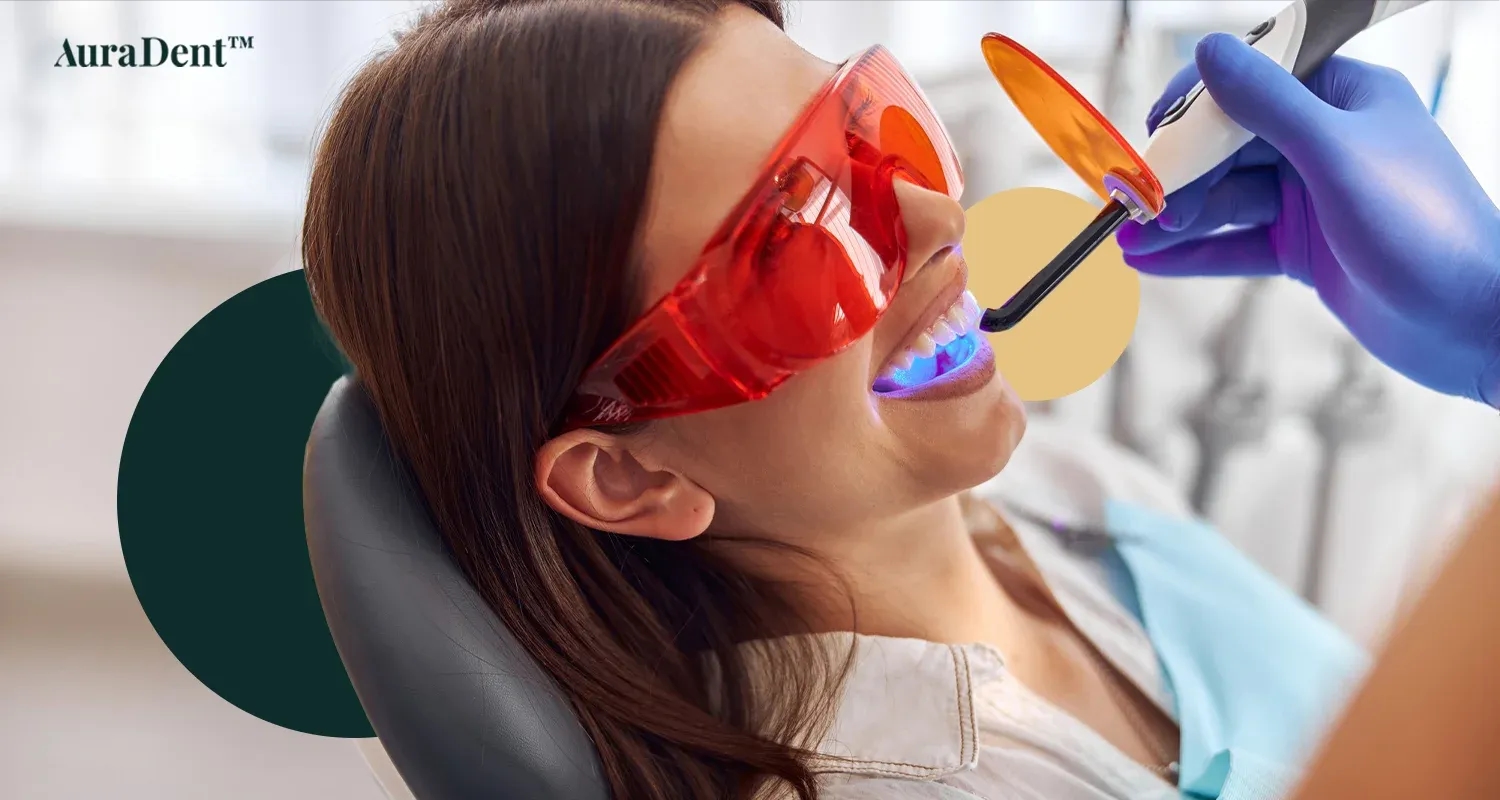
Professional Teeth Whitening
Professional teeth whitening provides the fastest and most reliable results. It is performed either in-clinic or at home using professionally manufactured whitening kits.
In-clinic whitening is done directly at the dental clinic and uses high-concentration whitening agents activated by light or laser. The result is often visible after just one visit.
Professional at-home whitening involves custom-made trays and a safe whitening gel provided by your dentist. The treatment is carried out at home over one to two weeks and results in a gradual, naturally white smile.
Professional teeth whitening is the most recommended option because the dentist can tailor the treatment to your enamel's sensitivity and your desired outcome.
At-Home Teeth Whitening
For many, at-home whitening is a convenient option. Products such as whitening strips, gels, and toothpastes are available at pharmacies and in stores. They may have some effect on surface stains, but the results are often mild and short-lived.
The biggest difference between at-home whitening and professional whitening is the concentration of the active ingredient. Over-the-counter products contain lower levels, making them safer but also less effective.
If you choose at-home teeth whitening, only use products approved by the relevant regulatory authority and always follow the instructions carefully. Overuse can damage enamel and cause sensitivity.
Do Natural Methods Really Work?
Many people seek natural alternatives, but caution is important. Methods such as baking soda, hydrogen peroxide, oil pulling, or strawberries are often mentioned as natural whiteners, but their effectiveness is limited and scientifically questionable.
These methods can also be harmful. Acids from fruit and abrasive substances like baking soda can cause erosion of the enamel and lead to increased sensitivity. For a safe and lasting result, you should always consult your dentist before trying any home remedy.
Do you want to learn more about how to protect your enamel naturally and effectively? Read the article Protect Your Teeth with Water: Myths, Facts, and the Dentist's Advice and discover how something as simple as water can contribute to stronger, healthier teeth.
Factors Affecting the Result
The outcome of teeth whitening can vary depending on several factors.
- Age affects tooth color, as teeth naturally darken over time.
- Diet and beverages such as coffee, tea, red wine, and colorful foods contribute to discoloration.
- Smoking causes deep stains that require longer treatment.
- Genetic factors determine how light the enamel can become.
- Dental health and existing fillings can affect the final result.
A dental check-up before treatment is essential to achieve an even and safe outcome.
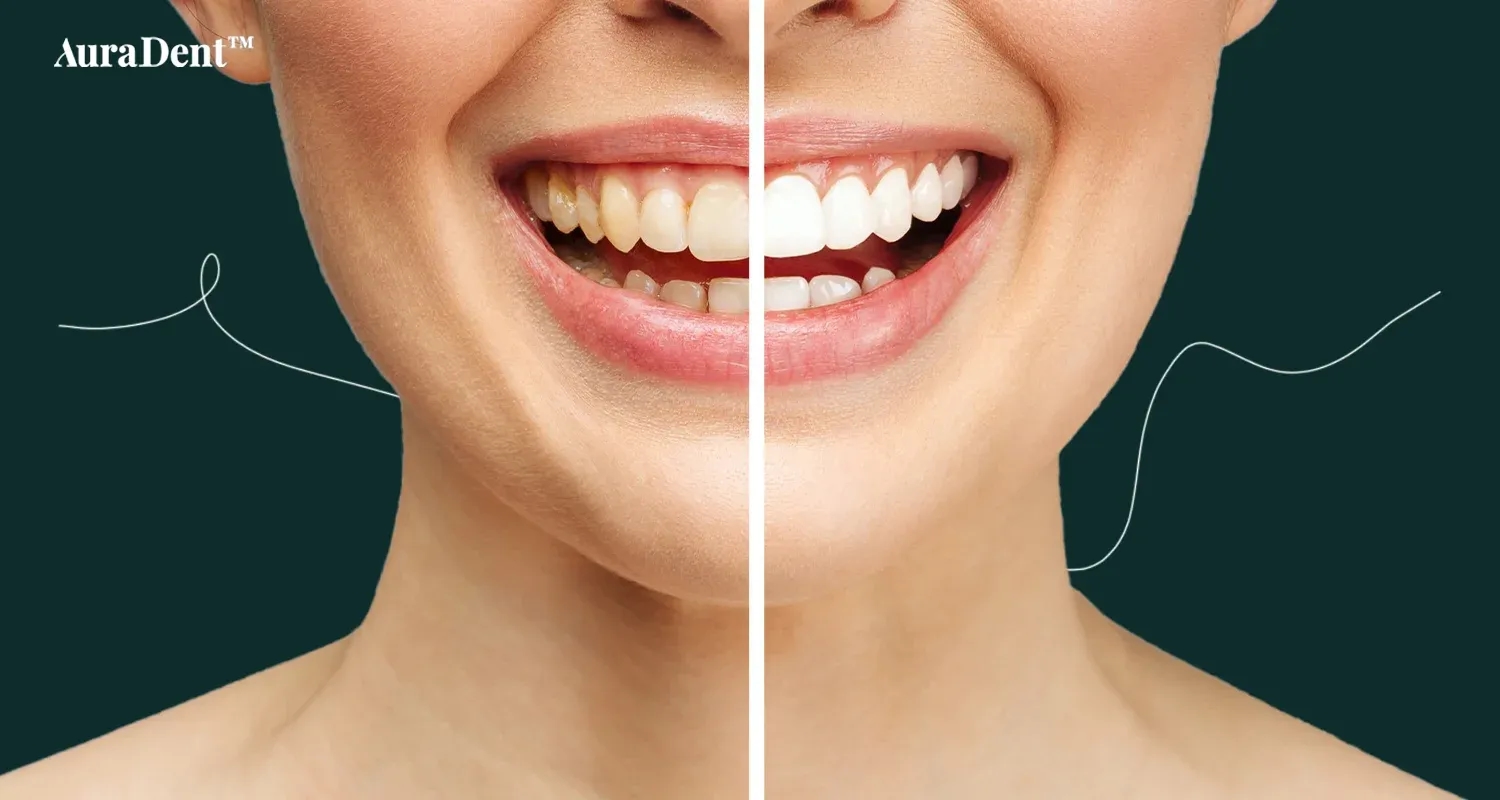
Teeth Whitening Safety and Side Effects
Teeth whitening is a safe treatment when performed correctly. The most common side effects are mild and temporary.
- Tooth sensitivity is common after the first treatments but subsides within a few days.
- Gum irritation may occur if the whitening agent comes into contact with soft tissue.
- To reduce the risk, whitening should always be performed under the guidance of a dentist. Professional assessment ensures the correct dosage, proper contact times, and protection of the gums.
Do you want to know how to care for your gums after teeth whitening and strengthen your oral health? Read the article Is Flossing Important? The Ultimate Guide to Healthy Gums and discover how the right oral care routine protects both gums and enamel.
Which Teeth Whitening is Best for You?
The best method for teeth whitening depends on your goals, dental status, and lifestyle. If you want quick and noticeable results, in-clinic whitening is the most effective option. The treatment is carried out under professional supervision and provides a visible difference after just one visit.
If you prefer a slower, more flexible process, professional at-home whitening may be the right choice. You use custom trays and whitening gel that gradually provide a naturally lighter shade.
For minor discoloration, simpler products such as whitening toothpaste or strips can work as a supplement, but the results are often temporary. The best teeth whitening is one that is individually planned and tailored by a dentist to provide a safe and lasting result.
Do you want to read more about how to prevent discoloration and keep your breath fresh after whitening? Visit the article Bad Breath: Causes, Home Remedies, and Treatment and learn the dentist's best tips for a healthier, fresher mouth.
How to Maintain Your White Smile
After teeth whitening, maintenance is crucial to preserve the result. Here are some recommendations from dentists.
- Avoid coffee, tea, wine, and tobacco for the first three days after treatment.
- Use a straw when drinking colored beverages to reduce contact with your teeth.
- Brush your teeth with fluoride toothpaste twice daily and floss.
- Schedule regular dental visits for professional cleaning.
With proper aftercare, the results of a professional teeth whitening can last up to three years.

Conclusion
Teeth whitening is an effective and safe method for improving both appearance and self-confidence. By choosing the right treatment option and following your dentist's recommendations, you can achieve a natural, radiant smile without compromising your dental health.
Want to know which method is best for you? Book a free consultation at AuraDent. Our dentists offer professional assessments and customized teeth whitening plans for a safe, long-lasting, and beautiful result.
FAQs