
- General Dentistry
Gum infection: causes, preventive measures, and connection to orthodontic treatment
.webp&w=3840&q=100)

Gum infection is a common yet serious condition that affects both oral health and overall health. For patients undergoing orthodontic treatment, especially during longer treatment periods, the risk of gum inflammation and infection increases significantly. Therefore, to achieve a successful treatment outcome, it is important to understand how the gums are affected, how infections can be prevented, and which type of orthodontic treatment creates the best conditions for good oral hygiene.
What does a gum infection mean and why is it important to treat it?
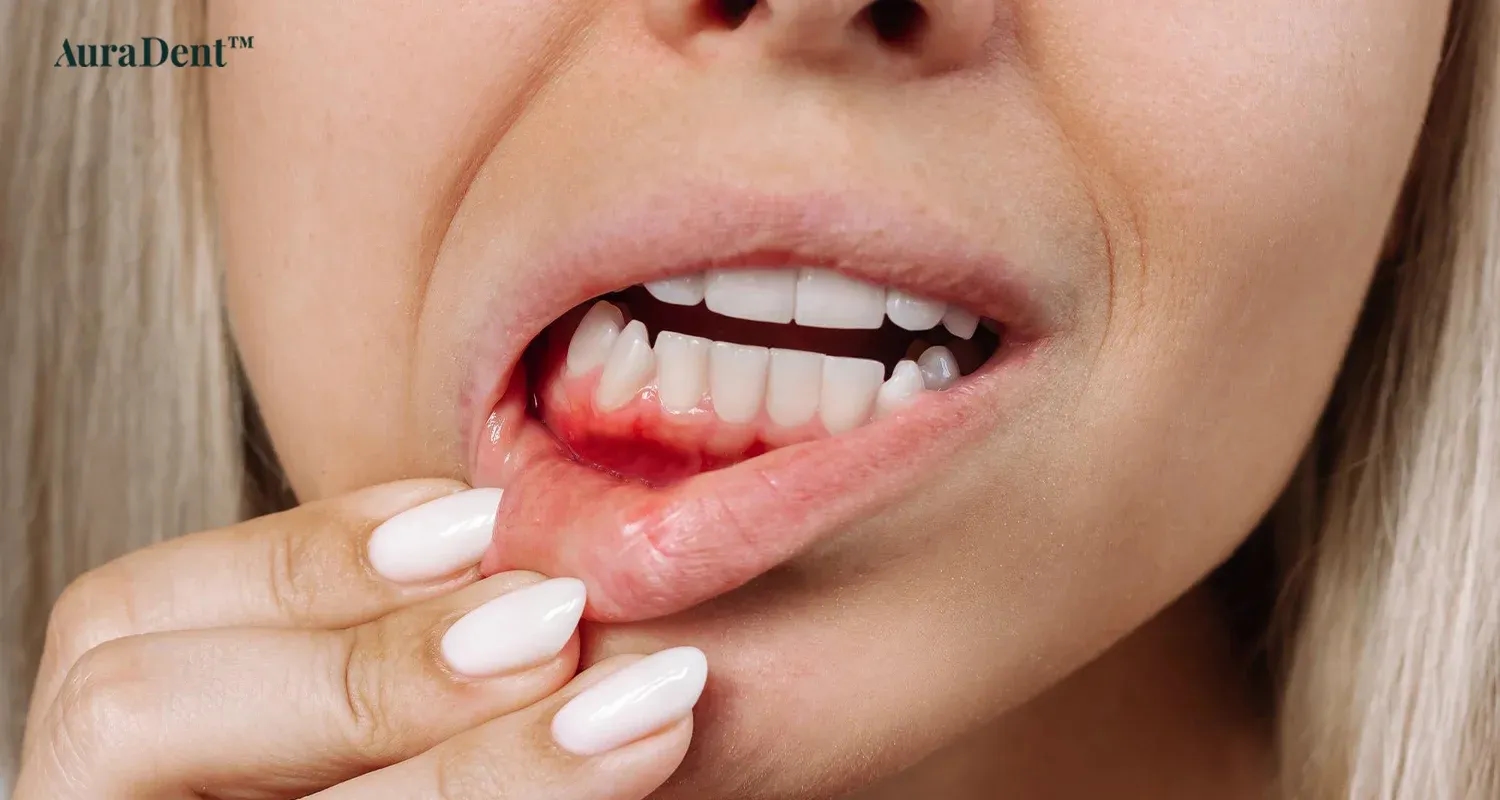
A gum infection, which in its early stage is called gingivitis, occurs when bacteria accumulate along the gumline and lead to inflammation of the surrounding tissues. If this is not treated in time, it can develop into periodontitis, which is a more advanced infection that affects the tooth's attachment and the surrounding jawbone.
Common symptoms of gum infection:
- Red, swollen, or tender gums
- Bleeding when brushing or flossing
- Bad breath that persists despite cleaning
- Increased sensitivity or mobility of the teeth
- In some cases, no symptoms at all, making the condition difficult to detect
Gum inflammation can in some cases be completely asymptomatic and therefore remain undetected for a long time. Despite this, tissue damage can worsen, which in the worst case can lead to the tooth losing its attachment and needing to be removed.
Gum infection has also been linked to several systemic diseases, including cardiovascular disease, diabetes, and complications during pregnancy. This underscores the importance of being attentive to early symptoms and not delaying treatment.
What causes gum infection?
There are several causes of gum infection. The main cause is plaque, a soft coating formed by bacteria and food debris. If plaque is not removed regularly, it can harden into tartar, which irritates the gums and causes inflammation.
The most common risk factors are:
- Poor oral hygiene
- Smoking and tobacco use
- Hormonal changes
- Chronic diseases such as diabetes
- Certain medications that reduce saliva production
- High stress levels and poor diet
For people wearing braces, especially fixed appliances, the risk of gum infection is increased. This is because brackets and wires create surfaces where bacteria can easily accumulate, making daily cleaning more difficult.
Who is at increased risk?
Anyone can develop a gum infection, but certain groups have a higher susceptibility:
- Adults over 30 with reduced saliva production and increased bacterial levels
- Smokers, as nicotine impairs blood circulation in the gums and hinders healing
- Patients undergoing orthodontic treatment with fixed appliances
- People with weakened immune systems, such as those with diabetes or autoimmune conditions
- Pregnant women, as hormonal changes can make the gums more susceptible to inflammation
Individuals in any of these risk groups should be particularly diligent with their oral hygiene and undergo regular check-ups with dental care.
How does braces treatment affect the risk of gum infection?
Orthodontic treatment aims to correct bite discrepancies but also involves an increased risk of plaque accumulation. This is especially true when using fixed braces. Brackets and wires create hard-to-reach areas where bacteria easily get trapped, making cleaning difficult and the gums more vulnerable to inflammation.
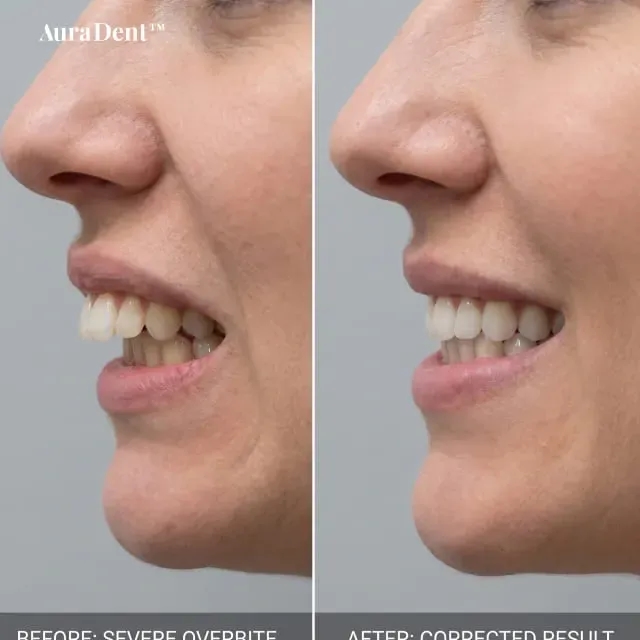
Many patients treated for, e.g., overbite find it difficult to keep their braces clean. Therefore, the choice of orthodontic method is crucial. Many also ask in this context how braces work, and it is important to explain both the mechanics and the hygiene aspects.
How can Invisalign help?
Clear aligners such as Invisalign® can be an excellent option for patients prone to gum inflammation.
Advantages of Invisalign for gum health:
- The aligners are removable, allowing you to brush and floss as usual.
- No metal brackets or wires that irritate or rub against the gums.
- Reduced risk of plaque buildup and inflammation.
- Better visibility of tooth condition during each check-up.
Patients with Invisalign often report simpler hygiene routines compared to traditional fixed appliances. Therefore, Invisalign is a preferred method for many adults seeking a discreet, hygiene-friendly treatment with high comfort. Read more about clear braces and why they may be the right choice for sensitive patients.

How do you prevent gum infection during orthodontic treatment?
Prevention is crucial, especially for patients undergoing orthodontic treatment. There are several important measures to avoid gum inflammation from occurring or worsening:
- Brush thoroughly twice a day with fluoride toothpaste.
- Use dental floss or interdental brushes, especially around brackets or wires.
- Clean Invisalign aligners daily with special cleaner or lukewarm water.
- Use antibacterial mouthwash if recommended by your dentist.
- Attend regular check-ups to detect early signs of inflammation.
For children and adolescents, preventive measures are even more important as they often begin orthodontic treatment early. A common question among parents is: are braces free for children? The answer is yes – in Sweden, orthodontic treatment is free up to the age of 23 if the bite discrepancy is medically justified. This makes it possible to get help early and prevent long-term problems, including gum infections related to misaligned teeth.
What happens if the infection is not treated?
If a gum infection is not addressed in time, it can lead to:
- Tooth loss
- Destruction of tooth bone
- Gum pockets that become difficult to clean
- Need for surgical interventions
- Reduced effectiveness of orthodontic treatment
Patients wondering how long you wear braces should be aware that untreated gum inflammation can significantly extend treatment time – or in the worst case, force an interruption of treatment.
What should you say to get braces?
It is common for patients to be unsure about what is required to qualify for orthodontic treatment. The question what should you say to get braces often comes up, but the answer is simple: describe the symptoms and concerns you are experiencing, e.g., difficulty chewing, aesthetic issues, bleeding gums, or previous infections. The specialist will then make an individual assessment.
Summary: Healthy gums – the foundation for a successful smile
Gum infection is one of the most common but most overlooked risks during orthodontic treatment. But with the right care, the right treatment method, and continuous follow-up, these risks can be minimized, and your smile can remain healthy throughout.
At AuraDent™, we offer:
- Free consultations for Invisalign and gum health checks.
- Professional cleaning and follow-up throughout the treatment.
- Customized hygiene programs for patients with sensitive gums.
- Modern technology and an experienced team in both orthodontics and periodontics.
Do you want to know if Invisalign is right for you? Book your consultation today, and take the first step toward healthy gums and a confident smile.
FAQs
Dr. Mustafa Al Waedh
Related Posts



-1.webp&w=3840&q=100)