- General Dentistry
Can you eat right after getting braces? Here is the answer!
For many people, starting orthodontic treatment is a big step, especially the first time. It brings a new sensation in the mouth, and it’s completely natural to wonder how this will affect daily routines, particularly when it comes to eating. Many patients therefore wonder:
Can you eat right after the braces are put in, or should you wait? In this article, you’ll get a clear, evidence-based answer, along with practical advice on how to best handle food and drink during the first few days of your orthodontic treatment.
What is orthodontic treatment, and how does it work?
Orthodontic treatment is a common method for correcting misaligned teeth, crowding, and bite abnormalities such as overbite or underbite. By using aligners or fixed appliances, teeth are gradually moved into more correct positions, improving both bite function and the aesthetic appearance of the smile. How long the treatment takes depends on several factors, read more about how long you wear braces, and specifically how long you wear braces for overbite, if you are curious. To better understand the process, you can read about how braces work. If you are considering getting braces yourself and want to know how to proceed, you will find tips here: what to say to get braces.
Can you eat right after getting braces?
Short answer: Yes, it is possible to eat right after braces have been applied, but with some caution.
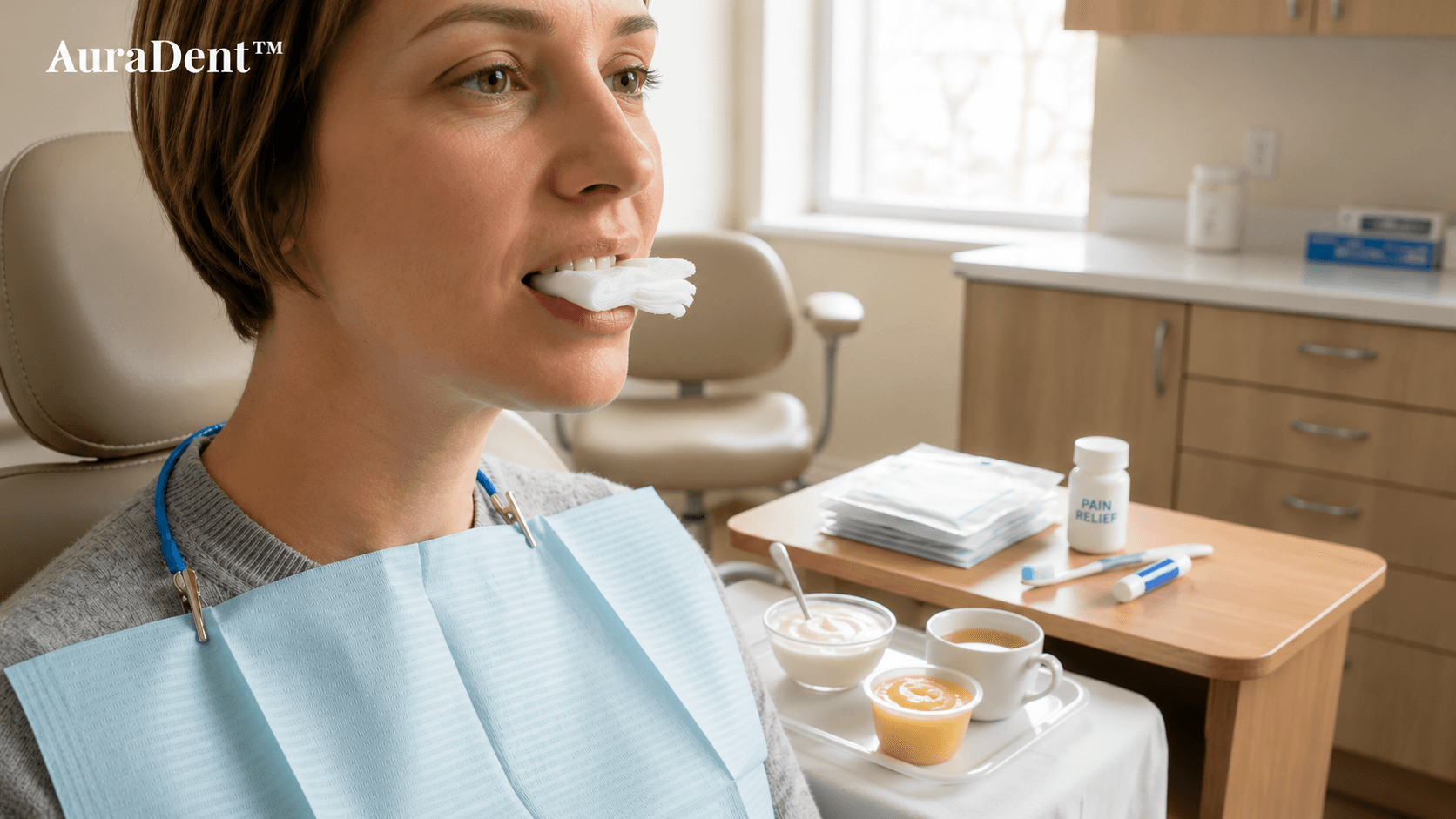
When orthodontic appliances are placed, it is common to experience tenderness or a feeling of pressure in the teeth and soft tissues during the first 1 to 3 days. Therefore, it is especially important to choose soft foods and avoid hard or chewy foods during this initial adjustment period, in order to minimize discomfort and prevent damage to the appliance.
If you instead choose a clear aligner system such as Invisalign, you can easily remove the aligners before eating and put them back afterward, giving you more freedom in your daily life without compromising your treatment.
What kind of diet is recommended after getting braces?
During the first few days after an orthodontic appliance has been placed, it is beneficial to choose soft, easy-to-chew foods that minimize mechanical stress on the teeth and periodontal structures. Below are examples of foods that are well-suited for this initial adjustment period:
- Soups: Warm dishes with a smooth consistency, such as tomato, chicken, or vegetable soup, are gentle on oral tissues and require minimal chewing.
- Mashed potatoes: A nutritious and soft option that is easy to swallow and does not irritate the gums.
- Smoothies and milkshakes: Cold drinks based on fruit, berries, and dairy products can have a soothing effect on mouth soreness.
- Eggs: Soft-boiled or scrambled eggs are rich in protein and have a texture that is easy for sensitive teeth to manage.
- Pasta: Well-cooked pasta with soft, finely blended sauces is a gentle option that does not stress the braces.
- Soft dairy products: Yogurt, cottage cheese, and soft cheeses are nutritious and require no intense chewing activity.
Following these dietary recommendations can contribute to greater comfort and reduce the risk of complications during the initial phase of orthodontic treatment.
Once you have acclimated to the braces, you can gradually return to a more varied diet, but it remains important to exercise caution when eating hard or crunchy foods that could risk damaging the appliance. Many people wonder, for example, can you eat chips with braces? The answer depends on the type of chips and how far you have progressed in treatment—being careful reduces the risk of something breaking.
Foods to avoid during the first few days of orthodontic treatment
To reduce the risk of discomfort and complications, certain types of food should be avoided during the initial days after braces have been applied:
- Hard foods: For example, raw carrots, crispbread, tough meat, and nuts require high chewing force, which can worsen soreness and, in the worst case, cause damage to brackets and orthodontic wires.
- Sticky foods: Caramel, hard candy, toffee, and chewing gum have high adhesive properties and are difficult to remove from the appliance. They can also cause brackets or wires to loosen.
- Crunchy snacks: Products such as chips, popcorn, and similar snacks tend to fragment into small, hard pieces that easily get stuck in the appliance and can lead to both mechanical damage and hygiene problems.
Avoiding these foods contributes to a safer start to treatment and reduces the risk of emergency visits or delays in the treatment process.
Recommendations for Meals After Getting Braces
In addition to adjusting your diet, it is wise to follow certain practical recommendations to ease the adjustment to the orthodontic appliance during the first few days:
- Prefer cold foods: Chilled options such as sugar-free ice cream or smoothies can have a soothing effect on soreness and help reduce possible inflammation of the mucous membranes.
- Chew slowly and carefully: Ideally, use your molars (back teeth) when chewing to relieve the front teeth, which are often more sensitive in the initial phase.
- Cut food into small pieces: Smaller portions require less chewing resistance, which minimizes stress on both teeth and the orthodontic appliance.
- Maintain good hydration: Drinking plenty of water helps rinse away food debris, reduces the risk of irritation, and supports the maintenance of good oral hygiene.
When Should You Contact a Dentist or Orthodontist?
Initial discomfort is normal and usually subsides within a few days, but in certain cases, professional evaluation is necessary:
- If you experience severe pain that persists for more than seven days.
- If brackets or orthodontic wires become loose or break.
- If you develop sores or injuries to the oral mucosa that do not heal within a few days.
If you experience these symptoms, it is important to contact your treating dentist or orthodontist as soon as possible to prevent complications and ensure that treatment progresses as planned.
Summary and Next Steps
It is entirely possible to eat right after getting braces, but you should choose soft and easy-to-chew foods during the first few days. Avoid hard, tough, and sticky dishes to reduce the risk of discomfort and damage to your braces.
Follow your dentist's advice and be diligent about cleaning your mouth thoroughly after every meal. This will help keep both your braces and your teeth healthy throughout the entire treatment.
Do you need more tips on how to best care for your new braces? Feel free to book an appointment with us for personalized guidance and help planning your diet and oral hygiene during treatment.
FAQs
Dr. Panteha Bigdeli
Related Posts
-1.webp&w=3840&q=100)
-1.webp&w=3840&q=100)
.webp&w=3840&q=100)